Water Heater Repair vs. Replacement: How to Decide
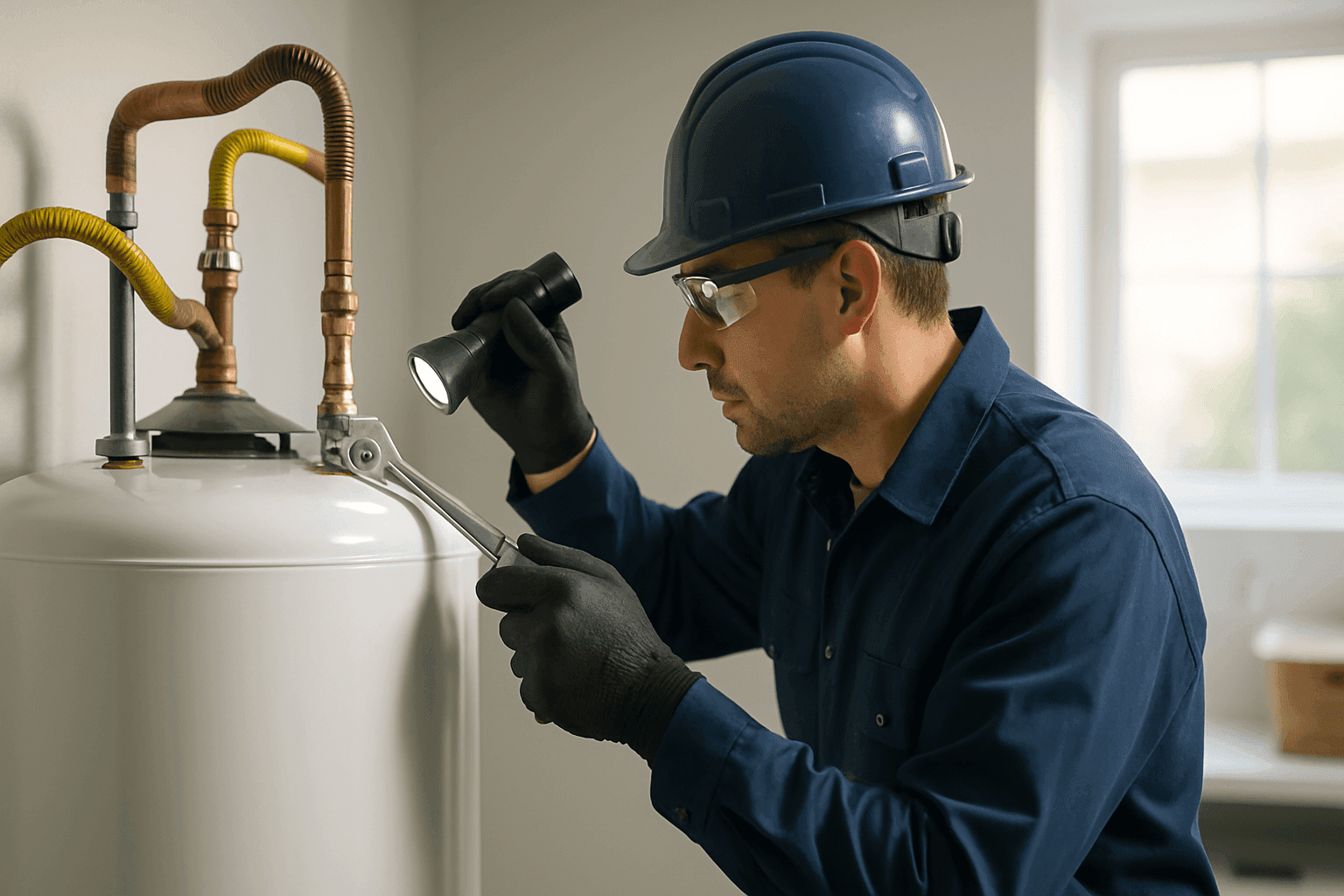
Is your morning shower suddenly icy cold? Or maybe your family’s laundry routine has turned into a guessing game of hot or not. When your water heater falters, it’s more than a minor hiccup—it’s a disruption to daily life. At HLH Plumbing, we understand how urgent and stressful this can feel, especially when you rely on consistent hot water for comfort, cleaning, and peace of mind.
Deciding between repairing or replacing a water heater feels a bit like standing at a fork in the road. The stakes are high and the costs can be significant. Here’s how you can make the most informed, cost-effective decision for your home—and avoid getting burned.
Common Water Heater Problems
Water heaters work quietly in the background—until something goes wrong. Here are the most common issues we see in homes just like yours:
- No hot water at all, or water takes forever to heat up
- Leaks or puddles under the tank
- Odd noises (rumbling, popping, banging)
- Water that’s rusty or smells metallic
- Water that’s scalding hot or not hot enough
- Pilot light that won’t stay lit (for gas models)
- Error codes on tankless units
Each symptom points to something different. Sometimes it’s a worn-out heating element, a broken thermostat, or sediment buildup—especially if you live in a hard water area, where minerals collect fast and clog things up. In some cases, it could be a sign of corrosion or a failing pressure relief valve, which is a safety concern.
When to Repair vs. Replace 🛠️
How do you know if it’s wiser to patch things up or start anew? Imagine your water heater like a car. If your old sedan needs a new set of tires, that’s a quick fix. But if the engine is shot and the repairs cost nearly as much as a newer, safer model, it’s time to weigh your options.
Key Factors
- Age of the Unit
- Tank water heaters: typically last 8–12 years.
- Tankless models: 15–20 years (with regular maintenance).
- Repair Cost vs. Replacement Cost
- If repairs approach 50% of the cost of a new unit, replacement often makes more sense.
- Efficiency
- Older units are less efficient, especially in regions with hard water. Efficiency drops further as sediment builds up.
- Newer models use less energy, heat water faster, and may qualify for regional energy rebates.
- Frequency of Breakdowns
- One-off repairs are fine. Repeated issues? That’s a red flag.
Red Flags for Total Failure 🚩
Some warning signs mean repair isn’t just impractical—it’s risky or impossible. Watch for:
- Water pooling around the base (tank leak = time to replace)
- Visible rust or corrosion on the tank or connections
- Loud, persistent banging or rumbling, even after flushing
- Hot water that runs out faster and faster
- Unit is older than its expected lifespan
- Gas leaks or persistent pilot light outages (this is a safety emergency)
If you notice any of these, call HLH Plumbing for emergency plumbing help. Don’t ignore them—these are your water heater’s way of waving a white flag.
Repair vs. Replacement: Cost Comparison
Let’s break it down simply, without a complicated chart.
- Repair costs can range from minor (replacing a thermostat, $) to moderate (element or valve replacement, $$). These are usually worthwhile on younger units.
- Replacement costs are higher up front, but you gain peace of mind, a new warranty, and improved efficiency. Installation by HLH includes assessment of your home’s needs and local code compliance.
- Hidden costs: Old, inefficient units use more energy and can drive up utility bills. Frequent repairs add up fast.
- Energy rebates: Many regions (especially hard water areas) offer rebates for high-efficiency replacements. Ask about local incentives before you decide.
Benefits of New Water Heater Models
Why bother with a replacement? Here’s what’s in it for you:
- Improved energy efficiency (lower monthly bills)
- Faster hot water recovery
- Quieter operation
- Better safety features (stricter code compliance)
- Longer warranty coverage
- Potential for smart home integration
- Smaller footprint (especially tankless models)
If you’ve battled hard water, newer models often have better resistance to mineral buildup—and HLH Plumbing can install water filtration systems for added protection.
Typical Lifespans: Tank vs. Tankless
- Tank Water Heaters: 8–12 years is standard. Hard water? Expect closer to 8.
- Tankless Water Heaters: 15–20 years with proper flushing and maintenance.
- Routine maintenance (like annual sediment flushes, leak checks, and valve inspections) can squeeze extra years out of both types.
HLH Plumbing’s Water Heater Assessment
HLH Plumbing’s licensed plumbers don’t just glance at your water heater and guess. We check:
- The age and serial number of your unit
- Signs of corrosion, leaks, or sediment
- Water pressure and temperature consistency
- Gas line and venting safety (following local and national code, including NFPA 54 for gas safety)
- Electrical connections and proper grounding
- Regional water quality and hardness
We’ll let you know what’s fixable, what’s a risk, and—if you need a new unit—what size and type fits your home and budget. Our installations are always warranty-backed and code-compliant.
Hard Water & Local Rebates: What You Need to Know
If you live in a hard water region, your water heater works extra hard. Mineral buildup can shorten its lifespan and reduce efficiency fast. HLH Plumbing offers water filtration systems and preventative maintenance to keep things running smoothly.
Check for local energy efficiency rebates—many utility providers and municipalities offer cash back or bill credits for upgrading to ENERGY STAR certified models. It can make a big dent in your overall cost.
Practical Tips for Homeowners
- Flush your tank water heater once a year to remove sediment.
- Test the temperature and pressure relief valve (T&P valve) twice a year for safety.
- Set the thermostat to 120°F for safety and efficiency.
- Install a leak detector near your unit for early warnings.
- Schedule annual inspections—especially if your area has hard water.
FAQ: Common Water Heater Questions
Q: How do I know if my water heater is about to fail?
A: Signs include rust-colored water, rumbling noises, water leaks, or inconsistent temperatures.
Q: Is it dangerous to keep using an old water heater?
A: Yes—especially if you spot leaks, corrosion, or gas odors. Old units can fail catastrophically.
Q: How long does it take to replace a water heater?
A: Most replacements can be completed in a single day by a qualified plumber.
Q: Are tankless water heaters worth it?
A: They cost more up front but last longer and use less energy. They’re ideal for families with high hot water demands.
Seasonal and Local Considerations
Cold winters put extra strain on older water heaters. If your unit is on its last legs, it’s better to act before the first freeze. Hard water? Consider a water filtration system to extend your unit’s life. Regional codes may require seismic strapping or special venting—HLH Plumbing handles all of that, so you don’t have to worry.
Making the Call: Repair or Replace?
It’s a big decision, but you don’t have to make it alone. HLH Plumbing brings years of experience, up-to-date code knowledge, and a commitment to safety for every home visit. Whether you need a quick repair or a brand-new, high-efficiency installation, we’re here to help—24/7.
Call HLH Plumbing now — or reach us anytime at 877-477-7921 .