How Much Does Emergency Plumbing Cost? Pricing Factors Explained
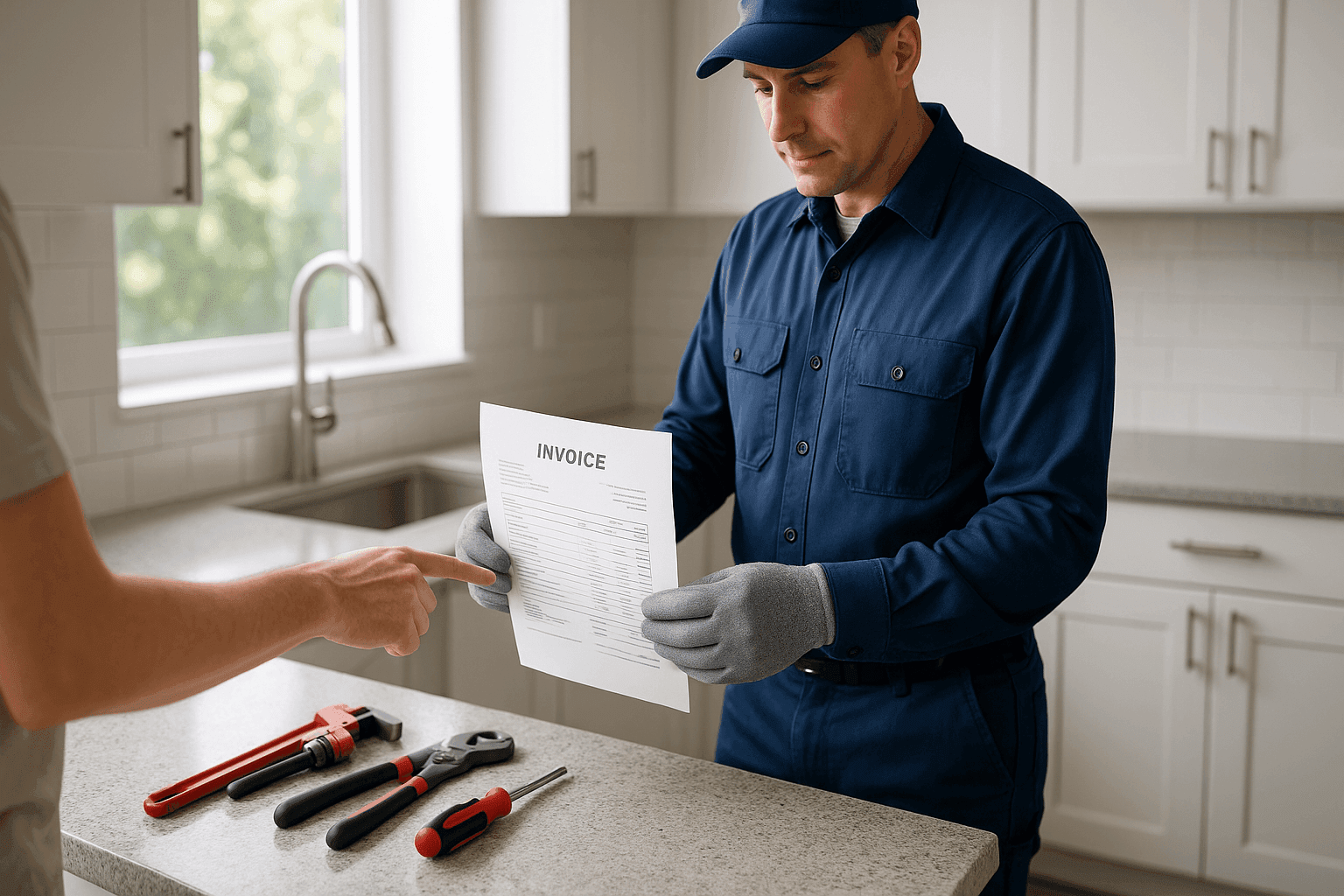
Unexpected plumbing disasters don’t wait for business hours. A burst pipe at midnight, a leaking water heater on Sunday morning—these problems demand urgent help, and fast. When your home is on the line, you can’t afford to guess about cost or wait for slow service.
At HLH Plumbing, we understand the anxiety that comes with emergency plumbing. You want quick answers, fair prices, and clear information—especially at odd hours. Here’s what you should know before picking up the phone.
Typical Emergency Plumbing Fees: What to Expect 🛠️
Emergency plumbing services usually carry higher fees than standard appointments. Why? It’s all about urgency and timing. Think of it like calling a tow truck in the middle of the night—someone has to be ready to help, rain or shine.
National averages:
- Service call (diagnostic) fee: $100–$350
- After-hours/emergency surcharges: $50–$200, added to standard rates
- Hourly labor rates: $100–$400+ per hour, depending on location and complexity
These numbers are ballpark figures. Costs can swing higher in cities with elevated living costs, or lower in rural areas.
Why the difference?
- Plumbers must be on standby 24/7.
- Emergency jobs often require overtime pay or disrupting scheduled work.
- Rapid response means higher operating costs.
Remember, the “emergency premium” covers more than just the work—it’s the price of peace of mind.
Cost Factors: What Changes the Price Tag?
Not all emergencies are priced equally. Several puzzle pieces fit together to shape your final bill:
1. Type of Job
- Burst pipe? Gas leak? Toilet overflowing? Each task comes with its own skill and risk level.
2. Parts and Materials
- Sometimes it’s a simple washer. Other times, a new valve or several feet of pipe are needed—supply chain issues can affect price.
3. Urgency & Timing
- Holidays, weekends, or late-night calls can nudge rates upward.
4. Location
- “Bathroom Plumbing near you” might cost more in a high-demand area or where travel time is high.
5. Scope of Work
- Is it a quick fix or a total replacement? The bigger the job, the higher the price.
6. Accessibility
- Hard-to-reach pipes or fixtures (like under a slab) take more time and effort.
7. Regional Labor Rates
- Labor costs can vary by city, state, or even neighborhood.
Examples of Common Emergency Repairs (and What They Cost)
Plumbing emergencies come in all shapes and sizes. Here are typical repair types and national price ranges:
Burst Pipe Repair
- Cost: $350–$2,000+
- What’s involved: Shutting off water, removing damaged pipe, installing new sections, testing.
Water Heater Breakdown
- Cost: $150–$1,200
- What’s involved: Diagnosing the issue, replacing faulty parts (thermostat, element), or full unit replacement.
Clogged Sewer Line
- Cost: $300–$1,500
- What’s involved: Locating the blockage, snaking or hydro-jetting, camera inspection if needed.
Gas Line Leak
- Cost: $250–$1,000+
- What’s involved: Leak detection, repair, safety check (must follow local code and safety standards).
Overflowing Toilet or Major Leak
- Cost: $125–$600
- What’s involved: Stopping water flow, unclogging, replacing worn components.
Remember, these are national averages. Your exact price could be lower or higher depending on your area and the specifics of your emergency.
Tips to Avoid Price Surprises 💡
No one likes sticker shock. Here’s how to keep your bill predictable—even when the situation isn’t:
- Ask for a detailed estimate: Before work begins, request a written outline of expected costs, including labor, parts, and potential surcharges.
- Clarify after-hours charges: Make sure you know if there’s a special fee for nights, weekends, or holidays.
- Review the scope: Understand what’s included—and what isn’t—in the quoted price.
- Check licensing: A licensed plumber is required to follow local codes (see resources like the International Plumbing Code).
- Stay informed: If new issues pop up during the job, ask for an updated estimate before approving extra work.
- Choose honest pricing: At HLH Plumbing, our no-hidden-fee policy means you’ll never see surprise charges. What we quote is what you pay.
How to Request an Accurate Estimate
Getting a precise quote is part art, part science. Here’s how you can help your plumber help you:
- Describe the problem clearly: “Water is pouring from under the sink” gets you faster help than “something’s wrong in the kitchen.”
- Share photos: If possible, snap a picture of the affected area and send it.
- Know your fixtures: Brand, age, and location of problem spots can affect repair options (and cost).
- Ask about parts: Are replacement parts easily available? Scarcity can increase price.
Local Nuance: Why Costs Vary from Town to Town 🌎
Plumbing costs aren’t one-size-fits-all. Here’s why:
- Regional labor rates: Urban centers tend to have higher hourly charges than rural zones.
- Material availability: In some areas, parts may be harder to source quickly.
- Weather and season: Frozen pipes in winter? Heavy rains flooding basements? Seasonal surges can drive up demand and price.
HLH Plumbing always tailors estimates to your location and situation—so you’re not left guessing.
FAQ: Your Emergency Plumbing Cost Questions Answered
Q: Why is emergency plumbing more expensive than regular service?
A: Emergency jobs often require overtime, immediate response, and on-call staff, all of which increase operating costs.
Q: Can I get a ballpark quote over the phone?
A: Yes, but keep in mind, a precise estimate may need an in-person inspection. We’ll always clarify what’s included.
Q: What if the problem turns out to be bigger than expected?
A: We’ll stop, explain the new findings, and provide an updated estimate before proceeding.
Q: Are there ways to lower my emergency plumbing bill?
A: Regular maintenance can prevent many emergencies. Promptly addressing small leaks or slow drains also keeps costs lower.
Preventing Emergencies: Maintenance and Early Action
An ounce of prevention is worth a pound of cure. To avoid late-night disasters:
- Schedule routine inspections: Annual checks of water heaters, sewer lines, and visible pipes can catch issues early.
- Don’t ignore slow drains or small leaks: They rarely fix themselves.
- Know your shutoff valves: Learn where they are and how to use them. This can save hundreds in damage during a crisis.
- Install leak detectors: Smart devices can alert you to leaks before they become floods (check compatibility with your plumbing).
For more on plumbing safety and code, refer to sources like the International Plumbing Code and your local building department.
When plumbing trouble strikes, you want clear answers and fair rates. HLH Plumbing is committed to honest pricing and transparent service—no hidden fees, ever.
Call HLH Plumbing now — or reach us anytime at 877-477-7921 .