Emergency Plumbing Guide: What to Do Before Help Arrives
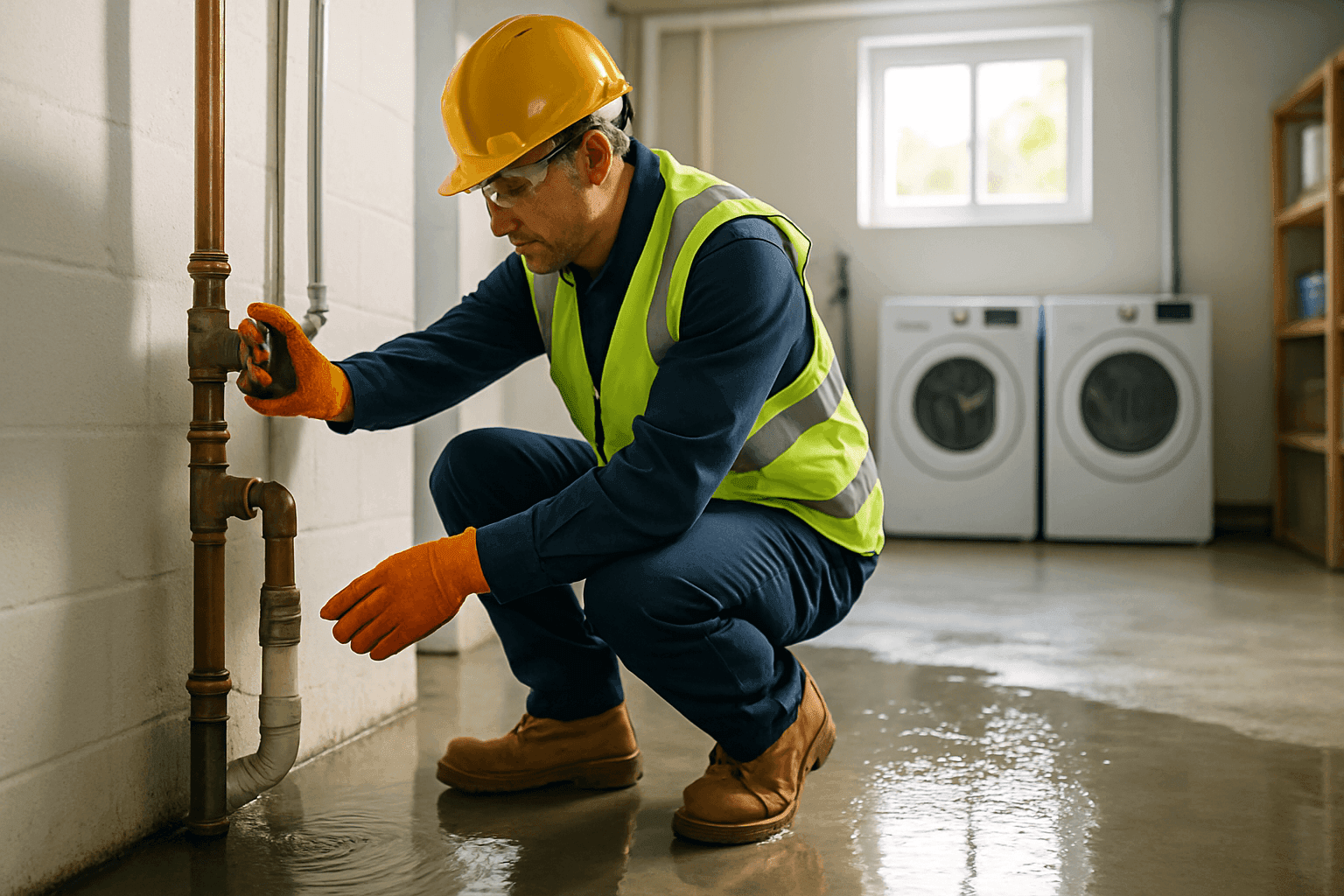
When water starts pooling on your bathroom floor or a pipe bursts in the middle of a stormy night, panic can set in fast. HLH Plumbing knows how stressful plumbing emergencies are—they don’t wait for business hours, and neither do we.
You want quick answers, not a sales pitch. This guide lays out what you can do right now, before a professional arrives, to protect your home and sanity.
Recognizing Common Plumbing Emergencies 🚨
Not every drip is a disaster, but some plumbing issues demand your attention right away. Knowing the difference can save your home from major headaches.
Watch for These Warning Signs:
- Burst pipes: Sudden water gushing or loud banging sounds in walls.
- Major leaks: Water pooling under sinks, behind toilets, or in basements.
- No hot water: Especially during winter, this can signal water heater trouble.
- Sewer backups: Foul odors, bubbling toilets, or drains refusing to clear.
- Gas odors: Rotten egg smell—leave the house and call for help immediately.
- Overflowing toilets: Water rising fast with every flush.
- Flooding during storms: Sump pump not working, or water seeping into living spaces.
If you spot any of these, you’re dealing with an emergency. If in doubt, always err on the side of caution.
Quick Homeowner Emergency Checklist
Keep this list handy—it can turn chaos into a plan.
- Find and turn off your main water shut-off valve.
- Shut off the water supply for toilets, sinks, or appliances if possible.
- Move electronics and valuables out of wet areas.
- Mop or towel up standing water to slow damage.
- Open windows or use fans to start drying out.
- If you smell gas, get outside and call emergency services.
- Keep pets and kids away from danger zones.
Immediate Steps to Take: Containing the Situation
Time is your best friend—or your worst enemy—during a plumbing emergency. Here’s how to act fast:
Shutting Off Water
- Locate the main shut-off: Usually found where the water line enters your house (basement, crawlspace, or utility area). Turn clockwise to close.
- For sinks or toilets: Underneath, look for small valves—twist to shut.
- Appliance leaks: Disconnect at the wall if safe, or unplug appliances if water is nearby.
Containing Leaks
- Use buckets, towels, or even pots to catch dripping water.
- Wrap a towel or duct tape around a small pipe crack as a temporary plug.
- Block off doorways with rolled-up towels to stop water spreading.
Minimizing Water Damage
- Remove area rugs, books, and electronics from wet spaces.
- Place aluminum foil or wood blocks under furniture legs.
- If safe, switch off electricity in affected rooms at the breaker.
Safety Precautions: Electricity & Gas
Water and electricity are a dangerous pair. If water is near outlets, cords, or appliances:
- Cut power at the breaker—not by touching switches or plugs in wet areas.
- Gas leaks: If you smell gas or hear hissing, leave the house immediately and call for emergency help from outside. Do not use lights, phones, or anything that could spark.
Check with local building codes for safe practices—National Fire Protection Association and local utility guidelines are good reference points.
What Not to Do (and Why)
- Don’t use electrical appliances in wet areas.
- Don’t try to fix gas leaks on your own.
- Don’t pour harsh chemicals down drains; they can worsen backups or damage pipes.
- Don’t ignore persistent leaks; slow drips often hide bigger problems.
- Don’t disassemble fixtures unless you’re sure how to reassemble them.
Taking the wrong step can make things worse—or even dangerous.
DIY vs. Call a Pro: Knowing Your Limits
A wrench and YouTube can’t solve everything. Here’s when to put down the tools:
Safe for DIY (Short-Term):
- Tightening a loose faucet or valve.
- Using a plunger for a basic clog.
- Catching drips in a bucket to buy time.
Call HLH Plumbing for:
- Burst or leaking pipes you can’t stop.
- Water heater, boiler, or sump pump failures.
- Sewer or main line clogs.
- Gas smells or suspected leaks.
- Repeated clogs, slow drains, or backflow.
- Issues after a major storm or freeze.
Our residential customers trust us because we get there fast and handle the mess safely.
What HLH Plumbing Pros Do On Arrival
When you call HLH Plumbing for emergency plumbing, here’s what typically happens:
- Assessment: We quickly evaluate the problem and stop any ongoing leaks.
- Containment: Limit further damage with professional-grade equipment.
- Diagnosis: Use leak detection tools, sewer cameras, or pressure tests.
- Repair: Fix or replace pipes, fixtures, or appliances as needed—always to code.
- Cleanup: Remove water, dry affected areas, and advise on next steps.
Our technicians carry the latest technology and have real-world experience with everything from bathroom plumbing near you to gas safety checks.
Prevention & Maintenance: Stopping Problems Before They Start
A little prevention goes a long way. Here’s how to reduce your risk of future emergencies:
- Schedule annual inspections for pipes, water heaters, and gas lines.
- Test sump pumps and backflow devices every spring and fall.
- Insulate pipes before winter to prevent freezing.
- Avoid flushing wipes, grease, or hygiene products.
- Install water alarms or leak detectors in vulnerable spots.
- Replace worn washers on faucets and hoses.
Authoritative sources like the International Plumbing Code and EPA recommend regular maintenance for residential plumbing systems.
Costs & Time Factors: What to Expect
Emergency plumbing comes with costs—especially after-hours or on holidays. While we won’t quote specific prices here, factors include:
- Severity and location of the leak or blockage.
- Time of day or night.
- Parts and labor needed (simple repair vs. full replacement).
- Regional supply chain issues during weather events.
Most emergency visits take 1–4 hours, but major repairs may require follow-up. HLH Plumbing arrives ready to work, minimizing delays. Our pricing is straightforward, and you’ll always know what’s happening next.
When It’s an Emergency: Don’t Wait
Some situations can’t wait until morning:
- Flooding that risks electrical or structural damage.
- Gas leaks or carbon monoxide alarms.
- Sewer backups (health hazard).
- No water during freezing temperatures.
- Burst pipes or major leaks.
If you’re unsure, call HLH Plumbing. It’s better to get advice than risk costly damage.
FAQ: Emergency Plumbing Answers
What should I do if my toilet overflows and won’t stop?
Turn off the valve behind the toilet (usually just above the floor). Mop up standing water and keep the bathroom door closed to contain any mess until a plumber arrives.
Can I use duct tape for a burst pipe?
It’s a temporary solution at best—use it to slow the leak, not fix it. Call for professional repair as soon as possible.
Should I try to clear a sewer backup myself?
No. Sewer line issues can expose you to dangerous bacteria and damage your plumbing further. Wait for a certified technician.
How can I communicate clearly with the plumber?
Describe the problem (where, when, how much water), mention if you’ve turned off the water or electricity, and note any strange smells or sounds.
Local & Seasonal Considerations: Be Ready for Storms and Freezes
Our region sees its share of wild weather. Storms can overwhelm sump pumps and blow debris into outdoor drains. Freezing temperatures cause pipes to burst—especially in older homes.
- Know where to find your shut-offs before winter.
- Keep insulation or heat tape on exposed pipes.
- After storms, check for pooling water or slow drains.
- HLH Plumbing’s 24/7 crews are ready—rain, snow, or shine.
Stabilize, Then Call HLH Plumbing
You’ve handled the first steps—now let us tackle the rest. HLH Plumbing responds fast, day or night, with skilled technicians who treat your home like their own. Keep our number handy, and remember: no emergency is too big or too small.
Call HLH Plumbing now — or reach us anytime at 877-477-7921 .