Top Signs of a Hidden Water Leak in Your Home
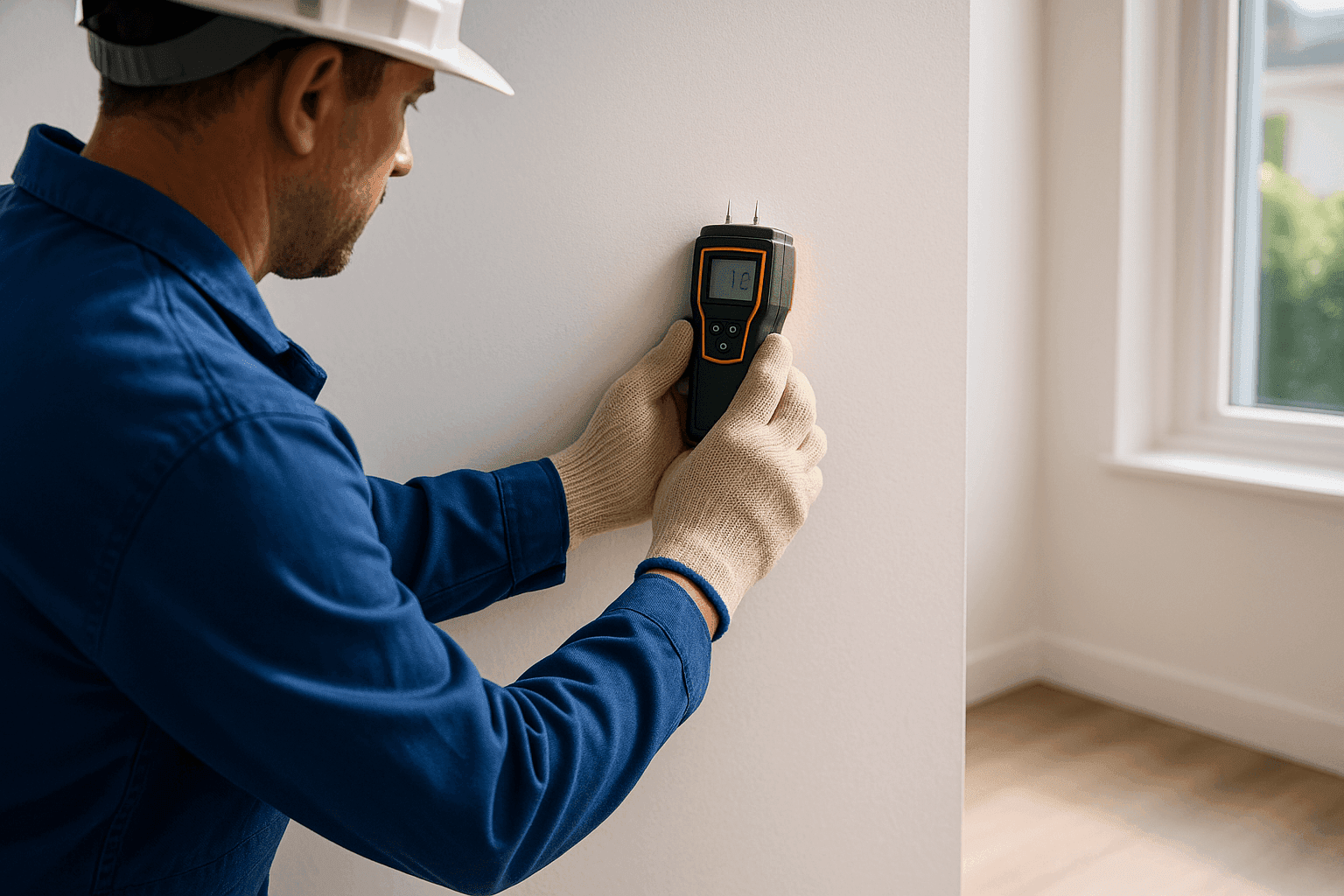
Is there trouble lurking behind your walls? Most plumbing leaks don’t announce themselves with a dramatic spray. Instead, they whisper—slow, silent, and sneaky—until suddenly you’re staring at a swollen floorboard or a sky-high water bill. That’s where HLH Plumbing steps in. With years of hands-on experience and cutting-edge leak detection, we help local homeowners spot leaks early—before they turn into emergencies.
No one wants soggy drywall or surprise mold. The good news? Spotting the signs of a hidden leak isn’t rocket science. Let’s walk through what to watch for—and what to do next if you’re worried water is flowing where it shouldn’t.
Common Hidden Leak Locations
Where do leaks play hide and seek? Usually in places you’d never think to check.
- Walls: Pipes run behind drywall in bathrooms, kitchens, and laundry rooms. Leaks here can bubble paint or make walls feel damp.
- Floors: Water lines under tile, wood, or carpet can warp, discolor, or even make floors feel squishy.
- Ceilings: If an upstairs bathroom or laundry is leaking, the first clue may be a water stain or sagging ceiling below.
- Basements and Crawl Spaces: Out of sight, out of mind. But pipe joints and water heaters down here can drip for weeks before you notice.
- Slab Foundations: In homes built on concrete slabs, leaks can seep unseen and cause cracks or mildew smells.
The truth is, water will always follow gravity and the path of least resistance. That’s why leaks can show up in the oddest spots.
Warning Signs of a Hidden Water Leak 🚨
A hidden leak rarely shouts for attention. Instead, it leaves clues. Here’s what to look for:
- Unexplained Water Bills: If your water usage spikes but your habits haven’t changed, something’s up.
- Musty Smells: Mold loves dark, damp places. Odors that linger, especially in basements or closets, often mean moisture is nearby.
- Mold or Mildew Spots: Small black or green patches on walls, ceilings, or floors can signal an ongoing leak.
- Peeling Paint or Wallpaper: Moisture behind surfaces makes them bubble, flake, or peel.
- Warped Floors and Stains: Wood that buckles or stains that spread are big red flags.
- Sounds of Dripping or Running Water: Can’t find the source? The leak might be hiding inside a wall.
- Low Water Pressure: A drop in water flow could point to a leak sapping pressure somewhere along the line.
A leak is like a mouse in the pantry: the sooner you find it, the less damage it does.
Quick Safety Checklist
If you suspect a leak, start here:
- Turn off all water-using appliances and faucets.
- Check your water meter. If it’s still spinning, water is flowing somewhere.
- Inspect rooms for new stains, bubbling paint, or warped flooring.
- Sniff for musty or moldy odors.
- Listen for drips, hissing, or running water behind walls.
If you spot any of these, it’s time to dig deeper.
DIY Leak Diagnostics
You don’t need a plumber’s toolkit to do some basic detective work.
- Meter Test: Note your water meter reading, avoid using water for two hours, and check again. If the numbers change, you likely have a leak.
- Food Coloring Test: Add a few drops of food coloring to your toilet tank. Wait 15 minutes. If the bowl changes color, the flapper valve is leaking.
- Visual Inspection: Open cabinets under sinks. Check around the base of toilets, tubs, and water heaters for pooling or moisture.
- Feel for Dampness: Gently press walls, ceilings, and floors. Cool, damp spots are a giveaway.
But remember: not all leaks are easy to spot. Some hide deep in pipes or slab foundations—out of reach for even the most determined homeowner.
DIY vs. Call a Pro
Some leaks are a quick fix. Others need a professional touch.
Tackle Yourself If:
- The leak is from a loose faucet, toilet flapper, or visible pipe joint.
- You can easily tighten or replace the part.
Call HLH Plumbing If:
- Water is coming from inside walls, ceilings, or floors.
- You see widespread mold or soft, sagging drywall.
- You can’t find the source, but signs keep getting worse.
- The leak is near electrical wiring or gas lines (safety first!).
Professional plumbers have specialized tools—like acoustic listening devices, thermal imaging, and moisture meters—that pinpoint leaks fast, with minimal disruption.
What Pros Do On Arrival
When HLH Plumbing arrives, we bring more than a wrench.
- Inspection: We listen to your concerns, survey the area, and ask about recent water usage or repairs.
- Advanced Leak Detection: Using infrared cameras, acoustic sensors, and moisture detectors, we zero in on the leak—no guesswork.
- Code-Safe Repairs: Repairs are done to local plumbing codes and safety standards (per the International Plumbing Code and your municipality’s requirements).
- Health & Safety Assessment: If mold or water damage is found, we’ll explain next steps to keep your family safe.
- Documentation: We’ll walk you through what we found and what was fixed—so you’re never left in the dark.
No sledgehammers. No unnecessary holes. Just targeted, efficient solutions.
Prevention & Maintenance
The best way to stop a leak disaster? Stay ahead of it.
- Annual Plumbing Inspections: Have HLH Plumbing check your pipes, valves, and appliances once a year.
- Upgrade Old Pipes: Galvanized or polybutylene lines are prone to leaks. Consider modern alternatives like PEX or copper.
- Monitor Water Pressure: High pressure strains pipes. Install a pressure regulator if needed.
- Insulate Pipes: In colder regions, wrap exposed pipes to prevent freeze-thaw leaks.
- Use Smart Leak Detectors: Devices like smart sensors can alert you to moisture before it becomes a flood.
Regular maintenance isn’t glamorous, but it’s a lot cheaper than water damage repairs.
Costs & Time Factors
How much does a leak detection or repair cost? It depends.
- Detection: Professional leak detection typically takes 1–3 hours, depending on the home’s size and complexity.
- Repair: Small leaks (like a loose joint) can be fixed in under an hour. Larger issues—like repiping or slab leaks—may take a day or more.
- Property Damage: The longer a leak goes unchecked, the higher the repair bill. Water damage restoration, mold remediation, and structural repairs can add up quickly.
According to the Insurance Information Institute, water damage is among the most common and costly home insurance claims. Early detection saves both time and money.
When It’s an Emergency
Some leaks can wait. Others can’t.
Call for emergency plumbing if:
- Water is flooding rooms or threatening electrical outlets.
- You smell gas in addition to water (call 911 first).
- The leak is near your fuse box, breaker, or major appliances.
- You can’t shut off the main water valve, or it’s making things worse.
A burst pipe or major leak is like a runaway train. HLH Plumbing offers 24/7 emergency plumbing to help you hit the brakes—fast.
FAQ: Hidden Water Leaks
How quickly does mold grow after a leak?
Mold can start in as little as 24–48 hours after water exposure, according to the CDC. It thrives in dark, damp places—so act fast.
Can a small leak really cause serious damage?
Absolutely. Even a drip can rot wood, ruin insulation, and lead to expensive repairs if ignored.
Is leak detection safe for my home?
Yes. Modern tools allow HLH Plumbing to find leaks with minimal disruption—no need to tear up floors or walls unnecessarily.
What if I rent? Am I still responsible?
Report the leak to your landlord immediately. Tenants are usually responsible for alerting owners to problems, but repairs are typically handled by the property manager.
Local/Seasonal Considerations 🌦️
Leaks don’t care about the calendar, but your local weather can make things worse.
- Freeze-Thaw Cycles: In colder areas, water expands as it freezes—cracking pipes hidden behind walls or in crawl spaces.
- Heavy Rainfall: High water tables and aging sewer lines can force water up through foundations and basement floors.
- Humidity: In muggy climates, even a small leak can feed mold faster than you’d expect.
No matter the season, routine bathroom plumbing checks and kitchen plumbing inspections help keep surprises at bay. And if you’re ever unsure, remember—HLH Plumbing is just a call away.
Call HLH Plumbing now — or reach us anytime at 877-477-7921 .