Water Heater Installation: What Every Homeowner Should Know
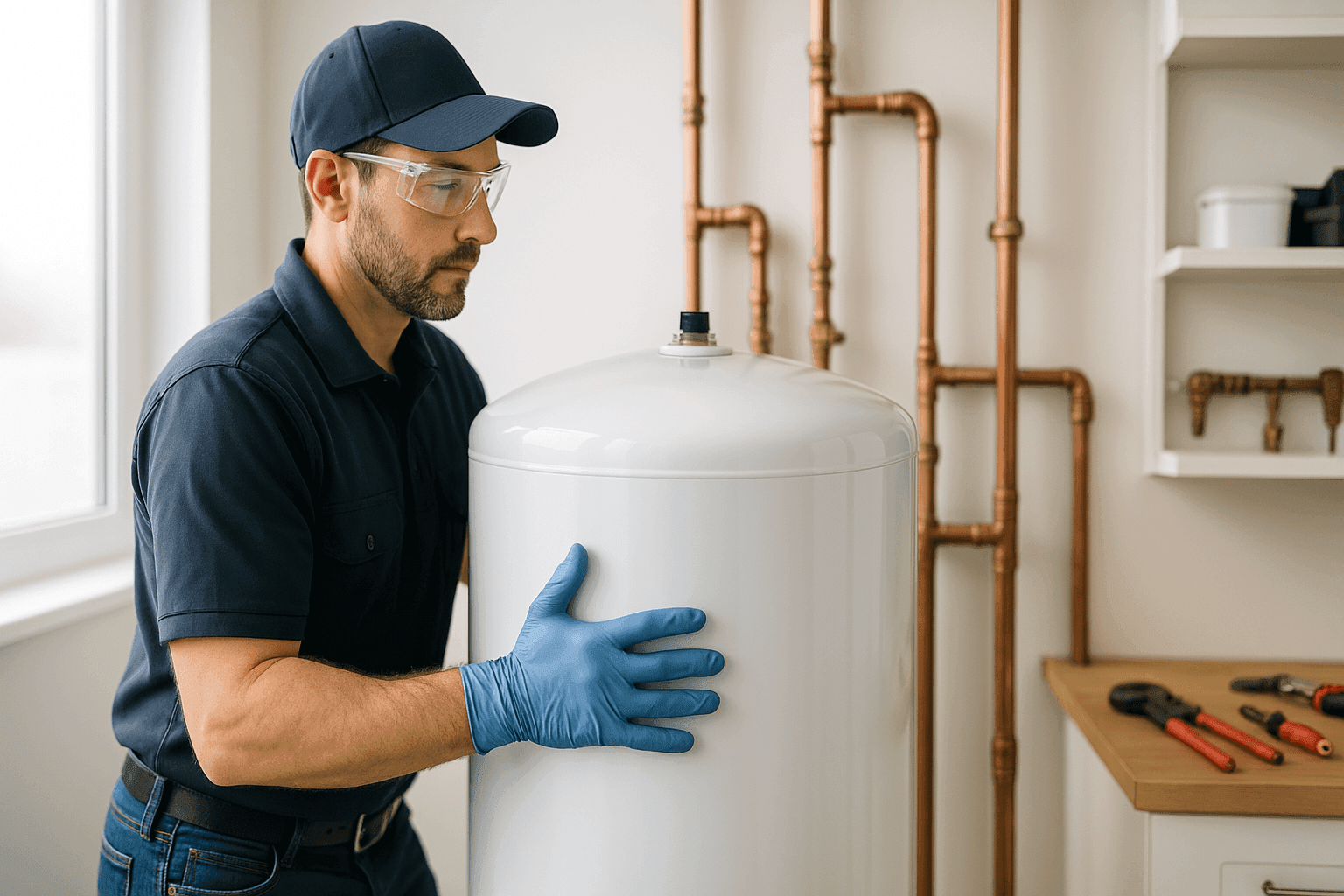
Is your morning shower suddenly freezing? Or maybe your old water heater is rumbling like an old truck? These moments hit hard. At HLH Plumbing, we know a sudden lack of hot water can throw your whole day off. We help families like yours get back that comfort—fast, safe, and with the right advice.
Whether you need emergency plumbing, a planned upgrade, or are just curious about your options, this guide will walk you through everything a homeowner needs to know about water heater installation. Let’s make sure you avoid the headaches and only get warm, reliable results.
Choosing the Right Water Heater
Water heaters aren’t all the same. Picking the right one can feel a bit like choosing shoes—get the wrong size or style, and you’ll regret it every day. Here’s what matters most:
Size Matters
- Family Size: A busy family of five? You’ll want a bigger tank (usually 50+ gallons). For smaller households, tankless might be just right.
- Peak Use: Think about mornings, laundry days, and back-to-back showers. Size for the busiest hour.
Fuel Type: What’s Best Near You?
- Natural Gas: Common in most suburbs and urban areas. Heats fast, often cheaper to run.
- Electric: Quieter, flexible placement, and available almost everywhere.
- Propane or Oil: Sometimes used in rural homes. Check local supply and prices.
- Heat Pump: Ideal in warmer climates or if you want high efficiency.
Many regions offer rebates for high-efficiency models—check your local utility website for incentives.
Efficiency and Features
- Energy Factor (EF): Higher is better—means less wasted heat.
- Tankless vs. Tank: Tank models store hot water, while tankless heat as needed (see diagram below).
- Smart Controls: Some models let you set schedules or monitor usage from your phone.
Tank vs. Tankless: What’s the Difference?

- Tank: Stores hot water. Ready instantly, but can run out during heavy use.
- Tankless: Heats water as you use it. Never runs out, but flow may drop if too many taps run at once.
Installation Process Explained 🛠️
A water heater isn’t just a plug-and-play appliance. It’s more like installing a heart in your home’s plumbing system. Here’s how the process unfolds:
Step-by-Step Overview
- Assessment: HLH Plumbing's licensed installers check your home’s plumbing, venting, and electrical/gas lines.
- Old Unit Removal: The old tank is drained, disconnected, and safely removed. (Heavy lifting—don’t try this solo.)
- Site Prep: Sometimes, floors or walls need prepping to meet code.
- New Unit Placement: The new heater is set, leveled, and secured.
- Connections: Water, gas/electric, and vent lines are connected. All joints are double-checked for leaks.
- Filling & Testing: The tank is filled and bled of air. Gas is lit or power is switched on. Every connection is checked.
- Final Walkthrough: The installer will explain how to adjust temps, spot warning signs, and perform simple maintenance.
What to Expect on Installation Day
- Water off for a few hours.
- Some noise and movement—plan for clear access.
- HLH’s team always wears protective booties and cleans up before leaving.
Safety and Code Requirements
Water heaters mix heat, gas, and water. One misstep can mean leaks, fire, or even carbon monoxide risk. That’s why every HLH Plumbing installer is licensed and familiar with:
- Local Building Codes: Every city or county may have its own rules (see your local government’s website).
- Manufacturer Specs: Each model has unique venting and clearance needs.
- National Fuel Gas Code (NFPA 54): Applies to gas models.
- Electrical Codes (NEC): For electric units.
Safety Checklist:
- Proper venting, away from living spaces.
- Gas shutoff valve and drip leg installed.
- Earthquake straps (required in many states).
- Pressure relief valve with proper drain.
- No flammable storage nearby.
When in doubt, always have a pro inspect your setup.
Common Pitfalls to Avoid ⚠️
Water heater installs look simple on a how-to video. In real life, small mistakes cause big issues. Here’s what to watch out for:
- Wrong Size: Too small, and you’ll run cold. Too big, and you waste money.
- Improper Venting: Can lead to dangerous CO buildup.
- Incorrect Pipe Connections: Leaks are common with DIY jobs.
- No Expansion Tank: Some areas require these to prevent pressure spikes.
- Skipping Permits: Could void home insurance or create problems when selling.
Our team at HLH Plumbing has fixed countless “DIY disasters.” Save yourself the stress.
Quick Safety Checklist
- Test gas lines for leaks.
- Confirm vent pipes are sealed and unobstructed.
- Ensure temperature is set below 120°F to prevent scalds.
- Check that electrical wiring is up to code.
- Water shutoff and relief valves must be accessible.
- Keep flammable materials away from the heater.
These steps protect your home and your family.
DIY vs. Call a Pro
Some folks are handy. Maybe you’ve swapped out a faucet or tackled a leaky toilet. But water heaters are a different beast.
DIY is okay if:
- You’re replacing an electric unit with the same type and all wiring is up to code.
- You have plumbing experience and can pull the right permits.
Call HLH Plumbing if:
- You’re switching fuel types.
- Gas lines or venting need work.
- The install requires code upgrades.
- You have any doubts about safety.
Remember, mistakes can mean leaks, failed inspections, or health risks.
What Pros Do On Arrival
When HLH Plumbing arrives, we don’t just swap tanks. Here’s our process:
- Review your home’s water needs and answer questions.
- Inspect current plumbing, gas, and venting.
- Advise on code compliance or needed upgrades.
- Handle all heavy lifting and safe disposal.
- Test every connection—water, gas, electric.
- Walk you through the setup and safety tips.
We also register your new unit for warranty coverage and leave you with simple maintenance instructions.
Prevention & Maintenance Tips 🧰
A little care goes a long way. Keep your water heater running strong with these habits:
- Drain the tank: Once a year, flush out sediment. It’s like cleaning out your gutters—removes the gunk that can cause clogs or rust.
- Test the pressure relief valve: Do this every 6 months.
- Inspect for leaks: Check around the base and pipes monthly.
- Set temperature: 120°F is usually safest and most efficient.
- Schedule annual checkups: HLH Plumbing can handle all preventative maintenance, so small problems don’t become emergencies.
Costs & Time Factors
How much does water heater installation cost? It depends.
- Unit Type: Tankless units cost more upfront but may save money over time.
- Fuel Source: Gas installs may need new venting or lines.
- Complexity: Hard-to-reach spaces or code upgrades add labor.
- Permits: Local fees vary.
Time: Most installs take 2–6 hours. If you’re replacing a similar unit, it’s quick. Upgrades or changes mean more time.
A quality installation is an investment. It saves you money, headaches, and cold showers for years to come.
When It’s an Emergency
Hot water isn’t just a comfort—it’s essential for hygiene and health. Signs you need emergency plumbing help right now:
- Water pouring from the heater or pipes.
- No hot water and it’s freezing outside.
- You smell gas or see burn marks.
- The relief valve is spraying water.
Don’t wait. HLH Plumbing is available 24/7 for emergencies.
FAQ
How do I know which size is right?
Estimate based on your peak hour usage. Most families do well with 40–50 gallons, but bigger homes or multiple bathrooms may need more. HLH Plumbing can help calculate the right size.
Can I install a tankless heater myself?
It’s possible, but not recommended unless you have advanced plumbing and electrical skills. Tankless units require precise gas, vent, and water line adjustments.
What maintenance does a water heater need?
Annual flushing, pressure valve checks, and periodic inspections for leaks or corrosion. This keeps your unit efficient and safe.
Will a new water heater save me money?
High-efficiency and tankless units can lower your energy bills, especially if your old unit is over 10 years old. Look for Energy Star ratings and ask about local rebates.
Local/Seasonal Considerations 🌦️
Our area sees cold winters and humid summers. Here’s what to keep in mind:
- Freeze Protection: Insulate pipes and, if possible, place the heater in a warm spot.
- Water Quality: Hard water can shorten your heater’s lifespan. Ask HLH Plumbing about water filtration systems.
- Fuel Availability: Natural gas is common, but check if propane or electric is more cost-effective in your neighborhood.
- Rebates: Many local utilities offer incentives for energy-efficient units. Check your city or county website.
Ready for a warm, reliable shower—every time? HLH Plumbing’s licensed installers bring the expertise, safety, and local know-how you need for a stress-free water heater installation.
Call HLH Plumbing now — or reach us anytime at 877-477-7921 .