Understanding Water Filtration Systems for Your Home
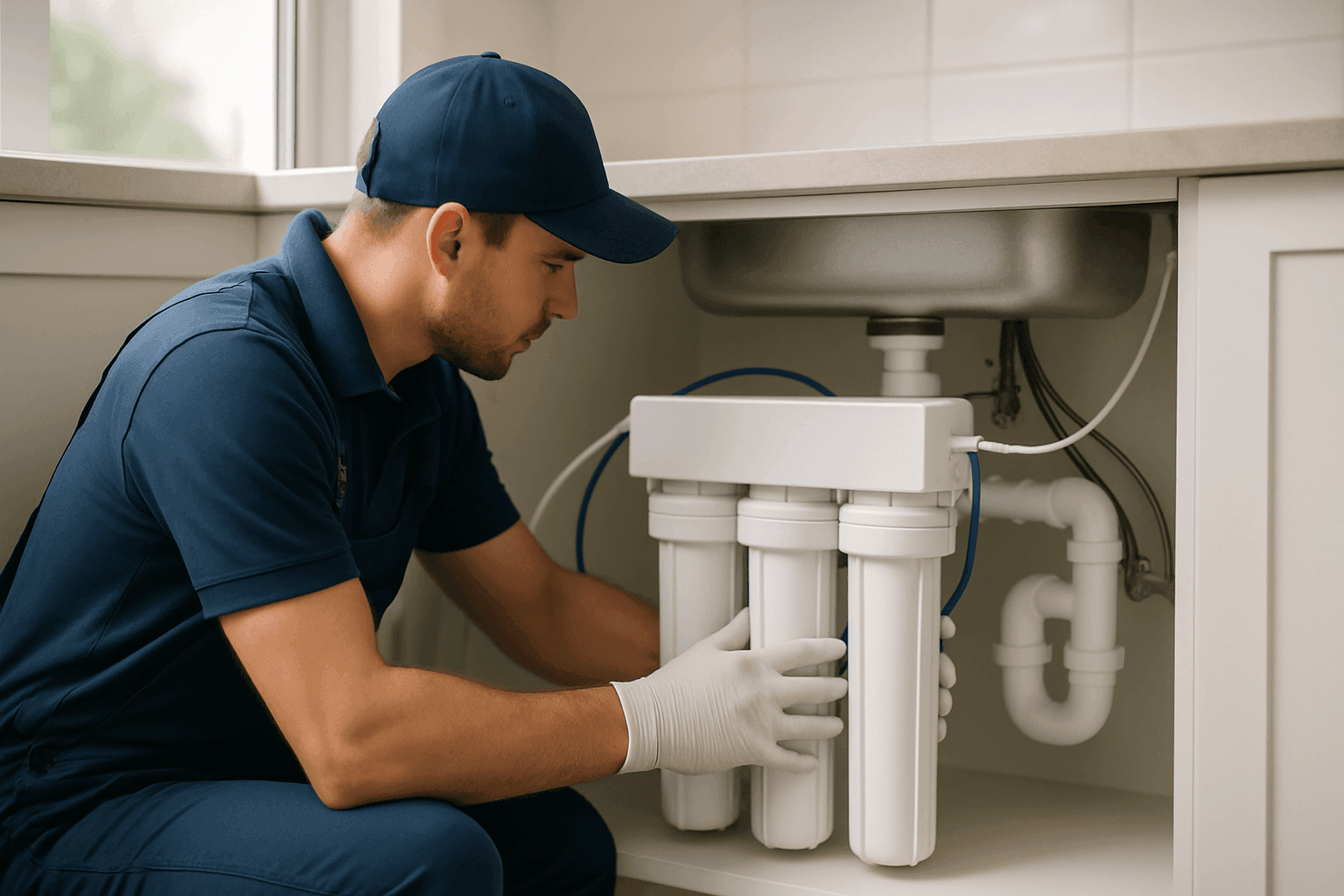
Water is the lifeblood of your home. You trust it to bathe, cook, and hydrate your family. But have you ever noticed odd tastes, chalky residue, or that stubborn chlorine smell when you turn on the tap? You’re not alone. At HLH Plumbing, we meet homeowners every day who just want peace of mind—knowing their water is clean and safe, no matter what.
Safe water isn’t a luxury—it’s a necessity. From emergency plumbing fixes to long-term solutions like water filtration, we’re here to help you navigate your choices, understand what’s flowing from your faucets, and keep things running smoothly.
Why Filter Your Water? 💧
Think of your tap water like a river winding through hills and city streets. Along the way, it picks up minerals, chemicals, and sometimes, things you’d rather not drink. Depending on where you live, your water might contain:
- Chlorine (added for disinfection, but can taste and smell sharp)
- Hard minerals (like calcium and magnesium, causing scale buildup)
- Sediment (tiny particles that cloud your glass)
- Rust (from aging pipes)
- Even trace amounts of pesticides, depending on your region
The U.S. Environmental Protection Agency (EPA) sets guidelines, but local water quality can still vary wildly. Sometimes, city treatment isn’t enough to solve taste, odor, or residue issues inside your home. That’s where home filtration steps in.
A good filtration system is like a bouncer at the club—only the cleanest, safest water gets through. The right system gives you confidence in every sip, protects appliances, and can even improve your skin and hair health.
Types of Home Filtration Systems
Not all water filters are created equal. Choosing one is a bit like picking shoes—what works in one home might not fit another. Here’s how they stack up:
Pitcher Filters
- Simple: Fill and pour. No installation.
- Best for: Renters, college students, or anyone wanting an easy, portable solution.
- Catches: Chlorine, some sediment, minor taste issues.
- Limitations: Small capacity. Doesn’t tackle heavy minerals or serious contamination.
Under-Sink Filters
- Out of sight: Plumbed directly under your kitchen or bathroom sink.
- Best for: Families who want filtered water straight from the tap.
- Catches: Chlorine, sediment, lead, some bacteria, depending on the filter type.
- Limitations: Only filters one faucet. Requires basic installation.
Whole-House Systems
- Comprehensive: Treats all water entering your home.
- Best for: Homes with hard water, older pipes, or specific regional concerns (well water, high chlorine).
- Catches: Sediment, minerals, chlorine, and more—depending on system.
- Limitations: Higher upfront cost. Professional installation recommended.
Here’s a quick side-by-side for clarity:
- Pitcher: Low cost, portable, limited scope.
- Under-sink: Mid cost, targeted, more thorough.
- Whole-house: Highest cost, covers all water, requires installation.
Installation Steps
Ready to upgrade your water? Here’s how typical installation flows, depending on your choice:
Pitcher Filters
- Buy. Unbox. Wash the pitcher and filter.
- Insert filter as directed.
- Fill with tap water. Discard the first batch (removes loose carbon).
- Use daily, refill as needed.
Under-Sink Filters
- Shut off water supply under the sink.
- Disconnect the cold water line.
- Attach the filter unit as per manufacturer instructions.
- Connect tubing and mount the dedicated filtered water faucet.
- Turn water supply back on. Check for leaks.
Pro tip: If you’re not comfortable with pipe fittings or drilling, HLH Plumbing is just a call away. We handle under-sink installs every week, with safety and code compliance in mind.
Whole-House Systems
- Shut off main water supply to your home.
- Select a spot near where water enters the house.
- Cut the main line (copper, PEX, or PVC—know local codes).
- Install the filter housing and bypass valve.
- Connect, secure, and test the system for leaks.
Note: Whole-house installs often require permits and a solid understanding of your home’s plumbing. In many regions, it’s best—and safer—to bring in a licensed plumber.
Maintenance Tips
Like any tool, water filters work best with regular care. Neglect them, and you risk clogging, leaks, or even worse water than you started with.
- Change filters on time. Check the manufacturer’s schedule—usually every 3–6 months for pitchers, 6–12 months for under-sink/whole-house units.
- Watch for slow flow. If water starts dribbling, it’s a sign the filter’s clogged.
- Sanitize annually. Some systems need periodic flushing or cleaning. Read your owner’s manual.
- Keep records. Mark filter changes on your calendar.
HLH Plumbing’s preventative maintenance plans can help keep your new system in top shape, alongside regular bathroom plumbing or leak repair checkups.
When to Replace Filters
A filter past its prime is like an umbrella full of holes. Here’s when to swap:
- After the recommended lifespan (see packaging)
- If you notice a drop in water pressure or flow
- If water starts to taste or smell off
- After any water main work or plumbing emergency
Some smart filters have indicator lights. For others, old-fashioned reminders work best.
Common Water Quality Issues by Region
Water isn’t the same everywhere. Here’s how local quirks play in:
- Urban areas: Chlorine taste, rust from old city mains, occasional “boil water” advisories.
- Suburbs: Hard water (white spots, crusty fixtures), possible pesticide runoff.
- Rural areas: Well water can carry sediment, iron, or bacteria—whole-house units shine here.
In older homes, lead pipes or solder may be a concern. If you’re unsure, HLH Plumbing can test your water and plumbing for safety.
How HLH Plumbing Helps
Installing a water filtration system is more than tightening a few nuts. Our licensed team knows local codes, safety guidelines (see the International Plumbing Code), and common pitfalls unique to each region.
- We assess your water and recommend systems that fit your lifestyle, budget, and plumbing.
- We handle all installations—under-sink, whole-house, and everything in between.
- From emergency plumbing repairs to annual filter changes, our technicians keep your water flowing clean and clear.
Practical Maintenance Tips
- Always keep a spare filter on hand.
- Clean around filter housings to prevent mold or mildew.
- If leaving home for weeks, shut off water and drain lines to avoid backflow or contamination.
- Schedule annual plumbing inspections—spot issues before they become emergencies.
When to Call for Emergency Plumbing
A burst pipe, sudden loss of pressure, or water discoloration isn’t just an inconvenience. It’s a red flag. If you notice:
- Water spraying or flooding
- Rusty or muddy water after plumbing work
- Persistent leaks around your filtration system
Contact HLH Plumbing right away. We handle all types of emergencies and can make sure your home’s water is safe and restored quickly.
Quick FAQ
1. How do I know what’s in my water?
Order a water test kit or ask HLH Plumbing to run a professional test. Local water reports are often available from your city utility.
2. Can I install a whole-house system myself?
It’s possible but not recommended unless you’re confident with cutting pipes, soldering, and following plumbing codes. Mistakes can be costly.
3. Does a water filter remove bacteria?
Some do, some don’t. Check for certifications like NSF/ANSI Standard 53 (removes contaminants) or 58 (reverse osmosis). UV filters are needed for bacteria.
4. My water tastes weird after filter installation—is that normal?
A slight change is common for the first few gallons. Run water through the new filter as directed. Persistent issues? Call us to check installation.
Local & Seasonal Considerations 🌦️
- Winter: Cold temps can cause pipes to contract and leak around filter housings. Check fittings after deep freezes.
- Spring: Heavy rains may stir up sediment in city mains—change filters if you spot cloudy water.
- Summer: Higher water use may reduce filter lifespan. Track your usage.
- Fall: If you use well water, autumn rains can introduce new contaminants—test water regularly.
Wrap-Up: Cleaner Water Starts Today
Your home deserves water that’s clean, clear, and refreshing. From pitcher filters to powerful whole-house systems, HLH Plumbing helps you choose, install, and maintain the right solution—so you never have to second-guess what’s coming out of your tap.
Call HLH Plumbing now — or reach us anytime at 877-477-7921 .