Toilet Repair Guide: Fixing Common Flushing Problems
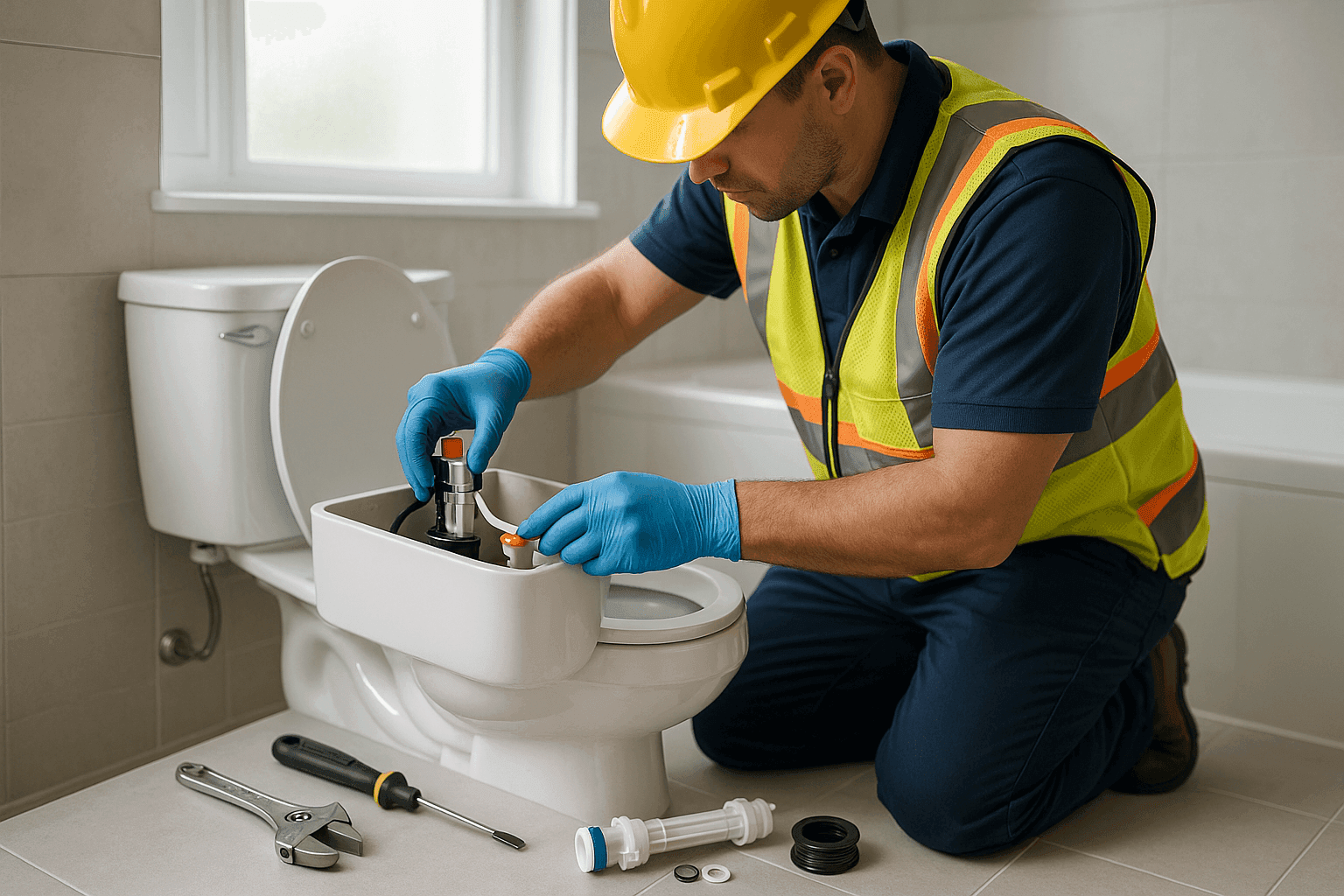
Got a toilet that just won’t behave? Maybe it’s running non-stop, flushes with all the power of a sleepy goldfish, or leaves mysterious puddles on the floor. It’s a headache—but don’t grab the plunger just yet. HLH Plumbing is here, ready 24/7, to walk you through quick fixes and help you know when to call in emergency plumbing pros.
Toilets are like the unsung heroes of the home. When they work, life flows. When they don’t, everything stalls. Let’s get yours back in top shape—fast.
Common Toilet Problems 🚽
Every flush tells a story. If your toilet’s acting up, odds are it’s one of these common issues:
- Running Toilet: The tank keeps filling or water drips endlessly.
- Weak or Partial Flush: Water barely swirls, leaving behind “reminders.”
- Leaks Around Base or Tank: Water on the floor or a tank that never quite fills.
- Phantom Flushes: The toilet refills by itself as if haunted.
- Slow Tank Refill: Takes forever between flushes.
These issues happen in both older toilets and newer high-efficiency models. Older toilets may waste more water and often struggle with worn-out parts. High-efficiency toilets use less water per flush but can clog or run if not maintained.
Quick Safety Checklist
Before you start poking around inside your toilet, check these boxes:
- Turn off the water supply valve (usually behind the toilet).
- Keep towels handy for spills.
- Don’t use harsh chemicals—stick with gentle cleaners.
- If you smell gas or see major flooding, step back and call emergency plumbing right away.
- Always wash your hands after repairs.
DIY Troubleshooting Steps
Sometimes, a quick fix is all you need. Here’s how to tackle the usual suspects:
Running Toilet
- Lift the tank lid. Listen for hissing or trickling.
- Check the flapper. If it’s warped or doesn’t seal, it’s time to swap it out.
- Adjust the chain. Too loose or tight? The flapper won’t close properly.
- Inspect the fill valve. If water keeps rising, the valve may need adjusting or replacing.
Weak Flush
- Ensure the water level in the tank is up to the marked line.
- Clean the rim jets (small holes under the bowl’s rim) with a wire or brush.
- Make sure nothing’s blocking the flapper or flush valve.
Leaks and Puddles
- Tighten the bolts at the toilet’s base (not too much—you don’t want to crack the porcelain).
- Inspect the wax ring under the toilet if water appears at the base.
- Check tank bolts and gaskets for drips.
Pro Tip: Sometimes, the only tool you need is your hand and a little patience.
Key Toilet Parts to Replace
Over time, certain parts just wear out. Here’s what often needs swapping:
Flapper
- Looks like a rubber disk at the bottom of the tank.
- If it’s bent, discolored, or doesn’t seal, replace it.
- Cost: Typically under $15.
Fill Valve
- Tall mechanism on one side of the tank.
- If water won’t stop or refills slowly, it’s likely the culprit.
- Newer fill valves are quieter and use less water.
Flush Handle
- If it sticks or feels loose, the handle or its arm might be bent.
Wax Ring
- Sits between the toilet base and the floor flange.
- If you see water at the base after tightening bolts, this ring may need replacing.
Parts Diagram:
(Text description for reference, since images can't be inserted inline.)
- Handle/Lever: Outside of tank, initiates flush.
- Chain: Connects handle to flapper.
- Flapper: Seals tank to bowl, lifts to start flush.
- Fill Valve: Controls water flow into tank.
- Overflow Tube: Prevents overfilling.
- Float: Rises with water, tells fill valve when to stop.
- Wax Ring: Seals toilet base to drainpipe.
Toilet Troubleshooting Table
Here’s a quick-glance chart for common symptoms and what usually fixes them:
-
Symptom: Toilet runs constantly
Likely Fix: Adjust/replace flapper or fill valve -
Symptom: Weak flush
Likely Fix: Clean rim jets, check flapper, adjust water level -
Symptom: Water on floor
Likely Fix: Tighten bolts, replace wax ring, check tank bolts -
Symptom: Tank won’t fill
Likely Fix: Replace fill valve, check supply line
When to Call a Plumber
Not every problem is a DIY fix. You’ll want a pro when:
- You see water stains on the ceiling below your bathroom.
- The toilet wobbles or rocks (could mean a broken flange).
- Water is gushing or flooding—classic emergency plumbing.
- There’s sewage smell or backup—call immediately.
- You’ve replaced parts but the issue returns.
HLH Plumbing offers a quick-response repair promise. We’re always just around the corner, ready to get your bathroom plumbing near you flowing again.
Water-Saving Toilet Upgrades 🌱
Thinking about saving water and lowering your bill? Consider these:
- Dual-Flush Toilets: Use less water for liquid waste, more for solids.
- High-Efficiency Models: EPA WaterSense certified; use 1.28 gallons or less per flush.
- Pressure-Assisted Toilets: Stronger flush, less clogging, but can be noisier.
- Retrofit Kits: Convert your old toilet to use less water.
According to the U.S. Environmental Protection Agency, upgrading to a high-efficiency toilet can save a family up to 13,000 gallons of water per year.
Older Toilets vs. High-Efficiency Models
- Older Toilets: Built before 1994, often use 3–7 gallons per flush. More prone to leaks and worn-out parts. May need full replacement for efficiency.
- High-Efficiency Toilets: Use 1.28 gallons or less. Sensitive to hard water and require regular cleaning of jets and valves. Parts may be different—check your manual.
DIY vs. Call a Pro
Some repairs are a breeze. Others? Not so much. Here’s when to try it yourself and when to reach for the phone:
DIY-Friendly:
- Replacing flapper or handle.
- Adjusting chain or water level.
- Cleaning rim jets.
Call HLH Plumbing:
- Persistent leaks, even after new parts.
- Strange noises (gurgling, bubbling).
- Water pooling at the base, especially after storms.
- Repeated clogs or slow drains.
What Pros Do On Arrival
When an HLH Plumbing specialist arrives, here’s what to expect:
- Full inspection of toilet and nearby fixtures.
- Leak detection (including hidden leaks).
- Checking supply lines and shutoff valves.
- Testing water pressure and flush strength.
- Recommendations for repairs or upgrades—always up to code and safety guidelines.
We bring the right parts, tools, and experience—so your problem is fixed on the first visit.
Prevention & Maintenance
Keep your toilet flushing happily with these tips:
- Clean the tank and bowl monthly to prevent mineral buildup.
- Check flapper and fill valve every six months.
- Don’t flush wipes, cotton balls, or anything but toilet paper.
- Inspect the base for movement or leaks after big storms or heavy use.
- Consider a water softener if you have hard water—it’ll extend the life of your toilet parts.
Regular preventative maintenance can save you from late-night emergencies and expensive repairs.
Costs & Time Factors
Every situation is unique, but here’s what to expect:
- DIY Fixes: Flapper or handle swaps can take under 30 minutes.
- Pro Repairs: Most residential calls (like leaks or valve swaps) take 1–2 hours.
- Upgrades: New high-efficiency toilet installation can take 2–4 hours.
- Materials: Small parts (flapper, fill valve) are affordable; full replacements cost more.
Remember, waiting can turn a small leak into a big, costly problem.
When It’s an Emergency 🚨
Some toilet problems just can’t wait:
- Water pouring onto the floor.
- Sewage backing up into the bowl or tub.
- No way to stop the water at the valve.
- Overflow that threatens to damage floors or ceilings.
If it’s urgent, HLH Plumbing is ready—day or night—to get your bathroom back in business.
FAQ
Q: My toilet runs for a few seconds, then stops. Is that normal?
A: That’s a “phantom flush.” Usually, it means the flapper or flush valve needs cleaning or replacing.
Q: Why does my toilet always clog?
A: Could be low water pressure, too little water per flush, or something stuck in the trap. Try cleaning jets and adjusting the water level. Persistent clogs? Call a plumber.
Q: Is it safe to use chemical drain cleaners?
A: Avoid them. They can damage pipes and seals. Stick with a plunger or call a professional for tough clogs.
Q: How often should I replace my toilet’s internal parts?
A: Most parts last 3–5 years, but if you notice leaks or weak flushes, check sooner.
Local and Seasonal Considerations
Here’s what we see in our area:
- Hard Water: Mineral deposits wear out fill valves and flappers faster.
- Older Homes: May have larger, less efficient toilets and outdated plumbing.
- Storm Season: Heavy rainfall can cause sewer backups—watch for slow drains and bubbling.
- Winter: Frozen supply lines can lead to leaks. Insulate pipes if your bathroom is on an exterior wall.
No matter the age or style of your toilet, HLH Plumbing has the tools and know-how for any bathroom plumbing near you—especially when trouble strikes at the worst possible time.
Bad flush? Persistent leak? Don’t let a minor problem become a home disaster.
Call HLH Plumbing now — or reach us anytime at 877-477-7921 .