Sump Pump Problems: Troubleshooting and Maintenance Guide
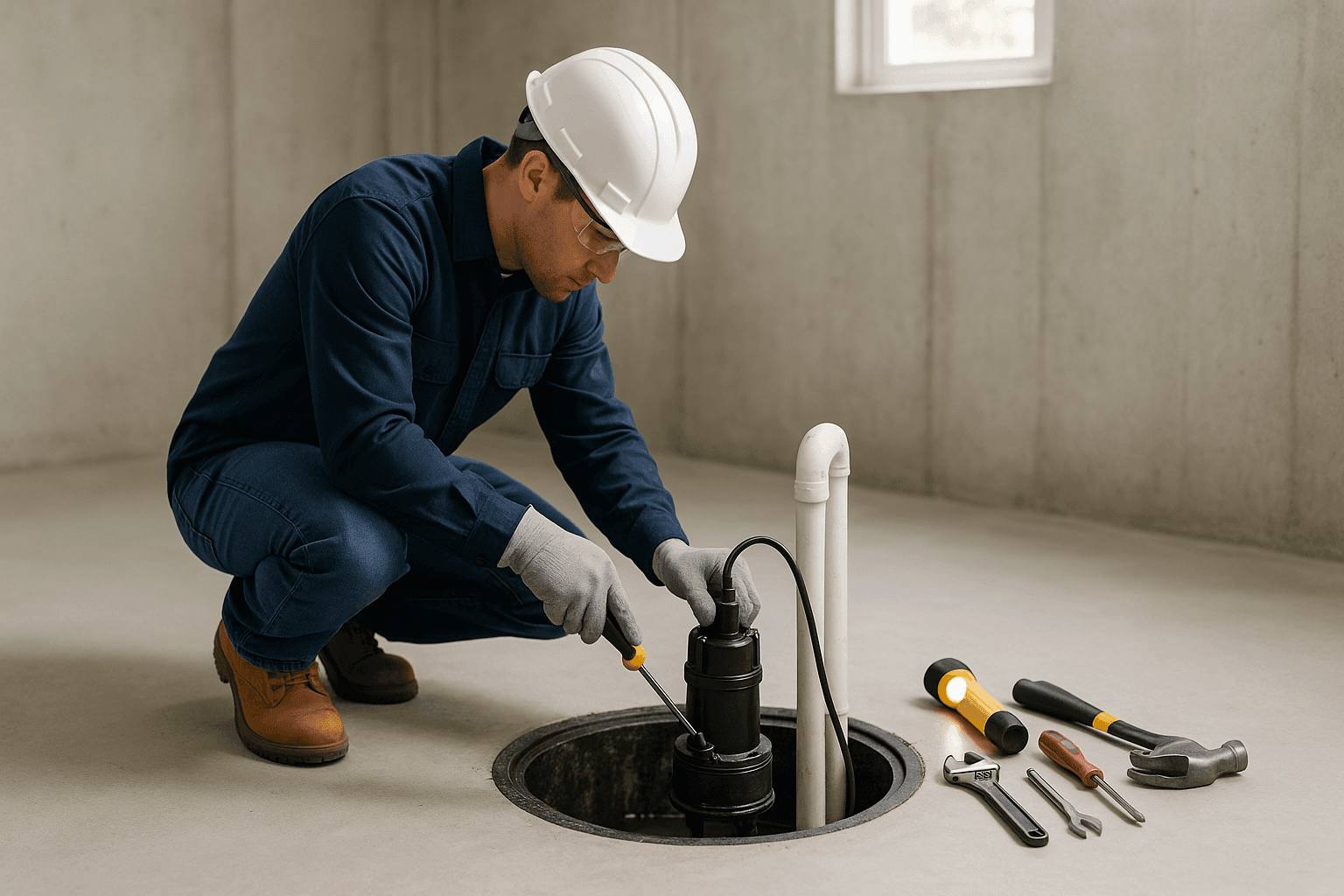
Basement water can turn a peaceful night into a panic. Heavy rains, melting snow, or a sudden storm—your sump pump is the silent hero below your feet. But when it fails? Water rises fast. Damage follows even faster. HLH Plumbing has seen it all, from ankle-deep puddles to full-blown emergencies.
This guide is for every homeowner who wants to avoid soggy disasters. You’ll learn what to watch for, how to act quickly, and when to call in a professional for emergency plumbing.
How Sump Pumps Work
Imagine your basement as a ship’s hull. When water sneaks in, your sump pump is the bilge pump—pushing water out before it can do harm. Most systems use a pit (the “sump”) and a pump that activates when water reaches a certain level.
- Water flows into the pit from drains or the soil.
- A float switch rises with the water.
- The pump switches on automatically.
- Water is ejected away from your foundation, usually through a discharge pipe.
That’s the plan. But even the best plans can spring a leak.
Common Sump Pump Problems 🚨
Not all sump pump issues look the same. Here are the big three:
1. Sump Pump Not Running
- No sound or movement—dead silence.
- Basement water rising, but the pit stays full.
- Check the breaker panel first, but sometimes it’s a stuck float or a failed motor.
2. Sump Pump Is Noisy
- Grinding, rattling, humming, or a screech.
- Sometimes, it’s just debris. Other times, it’s a failing motor or loose parts.
3. Sump Pump Runs but Doesn’t Drain
- Pump kicks on, but water doesn’t drop.
- Blocked discharge pipe? Frozen line? Missing check valve? Each can leave your pump spinning its wheels—and your basement filling up.
DIY Troubleshooting Steps
Before you grab your toolbox or phone, take these steps. Sometimes, the fix is simple.
Quick Safety Checklist
- Unplug before touching the pump or pit.
- Never stand in water while working on electrical equipment—use rubber boots.
- Keep extension cords away from wet areas.
- If you smell gas or see sparks, step away and call for emergency plumbing help.
DIY Checks
- Power: Is the unit plugged in? Breaker tripped?
- Float: Gently lift the float. Pump should kick on. If not, float may be stuck or broken.
- Discharge Line: Step outside. Is the line blocked, frozen, or disconnected?
- Debris: Remove the lid. Clear out leaves, dirt, and small objects.
- Reset: Some pumps have a reset button. Try it if you see one.
If you’re still ankle-deep and nothing’s working, it’s time to call for help.
Regular Maintenance Checklist 🧰
Just like a car needs oil changes, your sump pump needs love. Here’s a simple schedule:
- Test the Pump: Pour in a bucket of water until the float rises. Pump should start and water should drain.
- Clean the Pit: Remove debris every few months.
- Check the Discharge Pipe: Ensure it’s pointed away from your foundation. Clear blockages.
- Inspect the Power Source: Look for frayed cords or loose plugs.
- Replace the Battery: If you have a battery backup, change it every 2–3 years (per manufacturer guidelines).
- Schedule Annual Inspection: Plumbing codes recommend at least once a year. The National Association of Home Builders suggests a 7–10 year lifespan for most pumps.
When to Replace Your Sump Pump
All machines wear out. Here’s when to consider a new unit:
- Age: 7–10 years is average.
- Frequent Breakdowns: If you’re fixing it every season, replacement costs less in the long run.
- Rust or Corrosion: Visible damage means risk.
- Strange Noises: Grinding or rattling that won’t quit is a bad sign.
- Constant Running: If it won’t shut off, the float or switch may be permanently stuck.
Flood Risk Facts: Why Sump Pumps Matter Here 🌧️
Certain regions face higher risk. In our area, rapid snowmelt and spring thunderstorms can dump inches of water in hours. According to the Federal Emergency Management Agency (FEMA), just one inch of water in a basement can cause over $10,000 in damage. That’s not counting mold, ruined belongings, or structural headaches down the line.
Even a small sump pump failure can mean big bills. That’s why HLH Plumbing offers 24/7 emergency plumbing—because water doesn’t wait for daylight.
When to Call an Emergency Plumber
Some fixes just can’t wait:
- Sudden power loss during a storm.
- Persistent water despite a running pump.
- Electrical sparks, smoke, or burning smell.
- Water rising faster than the pump can handle.
- Backflow from drains or toilets—this can mean a bigger sewer issue.
In these cases, don’t wait. Call for emergency plumbing help immediately.
FAQ: Sump Pump Headaches
How often should I test my sump pump?
At least every 3–4 months. Before major storms or spring thaw, double-check everything.
Is it normal for my pump to run all the time?
No. Most run only during heavy rain or flooding. Constant running usually means a float issue, a stuck switch, or high groundwater.
Can I install a sump pump myself?
Some handy homeowners do, but building code requires proper discharge and electrical safety. For most, it’s safer—and often required by insurance—to use a licensed pro.
What about battery backups?
Highly recommended if your area loses power during storms. A backup keeps water moving even if the lights go out.
Local & Seasonal Tips
In our region, spring and fall bring the highest flood risks. Urban development and aging infrastructure mean more runoff and less natural drainage. Sump pumps work overtime during heavy rains—especially when storm drains back up.
- After a heavy storm: Check your sump pit and discharge line.
- During freeze-thaw cycles: Make sure outdoor pipes aren’t frozen. Ice can block the outflow.
- If you travel: Ask a neighbor to check your basement or install a water alarm.
Don’t Wait for Water Damage
A working sump pump is peace of mind. Problems often start small—a faint noise, a slow drain, a tripped breaker. Catch them early, and you’ll avoid soaked carpets, warped wood, and costly repairs.
HLH Plumbing stands ready 24/7 for emergency plumbing, kitchen and bathroom plumbing near you, and every sump pump headache. Don’t gamble with your home. Let the professionals keep you dry.
Call HLH Plumbing now — or reach us anytime at 877-477-7921 .