How to Prepare Your Plumbing for Storms and Heavy Rain
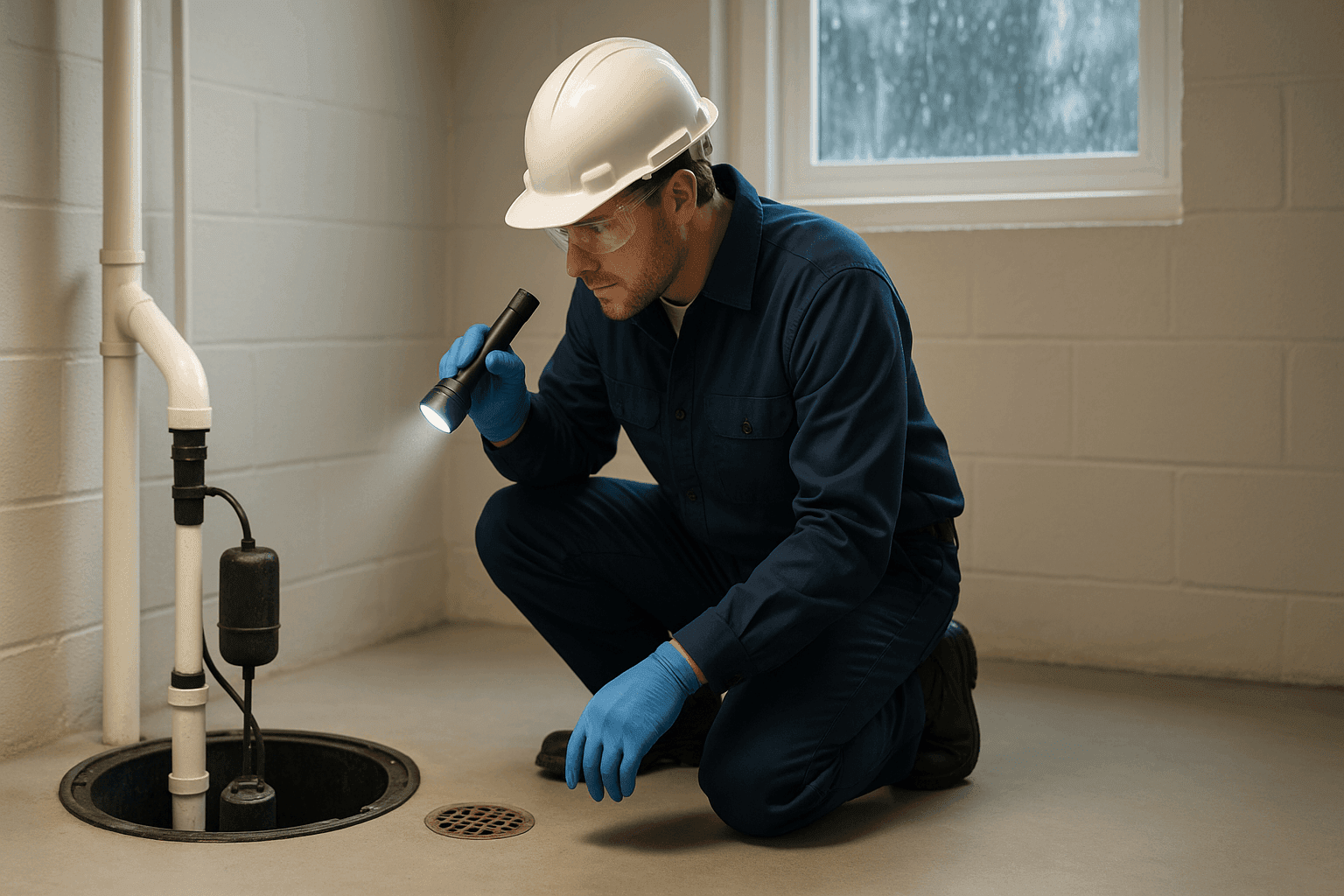
Heavy rainstorms can turn a peaceful evening into a mad dash for towels and buckets. All it takes is a clogged drain or a tired sump pump and suddenly, your basement feels more like a swimming pool than a safe retreat.
HLH Plumbing has stood by local homeowners through countless downpours and flash floods, offering 24/7 emergency plumbing support and real-world know-how. When the skies open up, you need more than luck—you need a plan.
Storm-Related Plumbing Risks 🌧️
Storms don’t just bring puddles; they bring plumbing headaches. Here’s what can go wrong:
- Flooding: Heavy rains can overwhelm basement drains, sump pumps, and even main sewer lines, especially in low-lying or flood-prone neighborhoods.
- Backups: City sewer systems sometimes fill up fast, forcing dirty water back up into your home’s drains, showers, or toilets. This isn’t just gross—it’s a health hazard.
- Water Pressure Swings: Sudden spikes or drops can stress pipes, causing leaks or even bursts.
- Hidden Leaks: Rainwater finds its way into old pipe joints, cracked foundations, or worn-out seals.
Think of your plumbing like a network of city streets. When there’s a traffic jam (the storm), it only takes one blocked road to gridlock the whole system.
Pre-Storm Plumbing Checklist 📝
Preparation is everything. Here’s your printable checklist—pin it to your fridge before the next big storm:
- Test your sump pump (pour a bucket of water in to see if it kicks on).
- Clear debris from all outdoor drains, gutters, and downspouts.
- Check basement floor drains for blockages or slow drainage.
- Store valuables off the basement floor—just in case.
- Inspect exposed pipes for leaks or weak joints.
- Make sure your backwater valve is working, if you have one.
- Know where your main water shutoff valve is located.
- Move caustic chemicals or electronics away from flood-prone areas.
- Check your water heater and boiler for moisture or rust.
- Keep HLH Plumbing’s number handy in your phone.
Print this checklist and walk through your home before every major weather warning. It’s five minutes that could save you a ton of hassle.
Sump Pump and Drain Prep
A sump pump is your basement’s best friend during a storm. But only if it works.
- Test it: Pour water into the pit and listen for a smooth start. Strange noises or no action? Time for a tune-up.
- Backup power: Storms knock out power more than you think. If you have a backup battery or water-powered backup, check it now.
- Outdoor drains: Leaves, mud, and trash clog up storm drains faster than you can say “flood.” Clear everything away before rain hits.
- Check window wells: In some homes, these fill up and send water straight inside.
If your drains are slow, don’t wait. Slow drains can become full blockages when stressed by stormwater.
What to Do During Storms
Don’t panic. But do stay alert.
- Avoid using your washing machine or dishwasher—city sewers may already be overloaded.
- Watch for gurgling sounds in your toilets or drains; that’s a warning sign.
- If you see water backing up, turn off the main water valve.
- Unplug appliances in flood-prone areas. Water and electricity are a bad mix.
- If you spot a leak, catch drips in buckets and mop up water quickly to prevent mold.
Stay safe. Don’t wade through standing water unless you’re sure there’s no live electricity.
Emergency Response Steps
If you’re facing a true plumbing emergency, here’s what to do:
- Shut off water at the main valve. This stops more water from entering your pipes.
- Call HLH Plumbing for emergency plumbing help.
- Document the damage for insurance—take clear photos and notes.
- Move valuables and furniture to higher ground if possible.
- Ventilate the space—open windows or use fans when safe.
Don’t try to open sewer lines or tackle major leaks yourself. That’s a job for professionals with the right gear and safety knowledge.
Local Flood Zones & City Sewer Issues
Some neighborhoods are hit harder than others. If you live near rivers, creeks, or in a known floodplain, your risk is higher. City sewer lines can also back up, especially in older areas where pipes are small or haven’t been replaced. HLH Plumbing works with city code and safety guidelines, like those from the Plumbing-Heating-Cooling Contractors Association and local building departments.
Know your area’s flood maps and history. Ask your neighbors about past storm problems. It’s not just about your home—it’s about the whole block working as one.
DIY vs. Call a Pro
You can handle minor prep: clearing drains, testing sump pumps, checking visible pipes. But when it comes to:
- Major blockages
- Sewer line backups
- Persistent leaks
- Water heater or boiler problems
...it’s safer and faster to get pros like HLH Plumbing involved. Emergency plumbing is more than a quick fix—it’s about preventing larger disasters.
What Pros Do On Arrival
When HLH Plumbing arrives, here’s what you can expect:
- Fast assessment of the problem—no guesswork.
- Use of leak detection tools and cameras for sewer line inspections.
- Safe shutoff and draining of affected areas.
- Clearing blockages with professional equipment (not store-bought snakes).
- Repairs or temporary fixes to keep your home safe until full repairs can be made.
- Advice on next steps and preventative measures.
We follow local and national plumbing safety codes, so you get peace of mind—not just a patch job.
Prevention & Maintenance
The best way to beat storm damage? Stay ahead of it.
- Schedule annual inspections (especially before rainy season).
- Upgrade old sump pumps or consider a battery backup.
- Install backflow prevention devices if your block floods often.
- Replace aging pipes in basements or crawlspaces.
- Seal cracks in foundation walls and around pipe penetrations.
- Test water heaters and boilers for leaks or rust.
A little investment now can keep your home dry for years to come.
Costs & Time Factors
Every situation is different. Here’s what affects cost and repair time:
- Severity of damage (a small leak vs. a major backup)
- Accessibility (is the problem easy to reach or buried deep?)
- Parts and equipment needed (repairs vs. replacements)
- Time of day (emergency plumbing after hours may be higher)
Most simple drain clearings or sump pump checks take one to two hours. Complex sewer line repairs or repiping can take a day or more. Always ask for a clear explanation of what’s needed.
When It’s an Emergency
It’s an emergency if:
- Water is rapidly rising inside your home
- Sewage or dirty water is coming up through drains or toilets
- You have a persistent leak you can’t control
- You smell gas (call emergency services first, then us)
Don’t wait. Fast action means less damage, less mess, and lower repair bills.
FAQ
How often should I test my sump pump?
Test at least twice a year—before spring and fall storms. Pour water in the pit and make sure it runs smoothly.
Can I use chemical drain cleaners before a storm?
It’s not recommended. Chemicals can damage pipes and don’t always clear blockages. Manual cleaning or calling HLH Plumbing is safer.
What’s a backwater valve and do I need one?
A backwater valve prevents sewage from backing up into your home. It’s a must in flood-prone areas or older neighborhoods with city sewer issues.
My basement always smells damp after rain. Is that a plumbing issue?
It could be. Persistent dampness means water might be leaking in or pipes aren’t draining properly. Have it inspected.
Local and Seasonal Considerations
In our region, heavy summer storms and late winter thaws bring the most risk. Homes built before 1980, or those near creeks and rivers, need extra vigilance. City sewer upgrades can help, but local blockages or aging infrastructure mean the risk is still real.
Stay alert during flood watches. Sign up for local emergency alerts, and keep HLH Plumbing’s contact info close by.
For peace of mind before, during, and after any storm, trust HLH Plumbing’s storm-readiness and 24/7 emergency plumbing support.
Call HLH Plumbing now — or reach us anytime at 877-477-7921 .