Signs Your Sewer Line Needs Repair: A Homeowner’s Checklist
When your home’s plumbing works, you hardly think about it. Water flows, drains empty, and life goes on. But when something goes wrong with the sewer line, it can flip your routine upside down—fast.
If you’ve noticed odd smells, slow drains, or strange patches of soggy grass, don’t ignore them. Sewer line trouble can escalate quickly, and waiting too long may mean bigger headaches (and bigger bills) down the road. HLH Plumbing is here to help you spot the early warning signs and know what to do next.
Common Sewer Line Warning Signs 🚩
Sewer issues rarely show up with a neon sign. Instead, they whisper—or sometimes shout—through a handful of clear signals. Here’s what to watch out for:
Slow Drains Everywhere
A single slow drain? Maybe a clog in that one pipe. But if the tub, kitchen sink, and bathroom all seem to empty at a snail’s pace, it’s often a red flag for trouble deeper in the sewer line.
Foul Odors Indoors or Out
A fresh, clean home shouldn’t smell like rotten eggs or raw sewage. If you catch a whiff of something foul—especially from drains, the basement, or outdoors near your sewer line access—it’s time to pay attention.
Soggy, Strange Lawn Patches
See unexpected wet or greener spots in your yard, especially when it hasn’t rained? That could be leaking sewage saturating the soil. Sometimes the grass grows taller, almost like your sewer line is giving it a secret boost.
Gurgling Sounds and Backups
Drains shouldn’t talk back. If you hear gurgling from the toilet or sink, or see water backing up into the tub or floor drain, your main sewer line could be blocked or broken.
Visible Sewage or Mold
Sewage surfacing in the yard or, worse, backing up into your home? Don’t wait. Also, unexplained mold growth can mean moisture from a hidden break.
Causes of Sewer Line Damage
Why do sewer lines fail? Sometimes, it’s the simple march of time. Other times, it’s a sneak attack from nature—or even the weather.
Tree Roots
Tree roots are relentless. They seek out tiny cracks, squeezing into joints and expanding until the pipe splits. Even small trees can cause big problems.
Old Pipes and Materials
If your home is older, your sewer line might be made from clay, cast iron, or Orangeburg (bituminous fiber). These materials corrode, buckle, or collapse over decades.
Heavy Rainfall or Floods
Sudden, heavy downpours can overwhelm your area’s drainage system, pushing debris and soil into sewer lines. This can cause blockages, cracks, or even a full collapse.
Ground Shifting
Construction nearby, earthquakes, or settling soil can shift pipes, causing misalignment or breaks.
What to Do if You Suspect a Problem
First, don’t panic—but don’t ignore the signs either. Here’s a quick plan of action:
- Stop running all water if sewage is backing up.
- Avoid DIY drain chemicals—they often make things worse or damage pipes.
- Check for wet spots or mold near walls and floors.
- Don’t dig or open cleanouts yourself; you could cause more harm or run afoul of local codes.
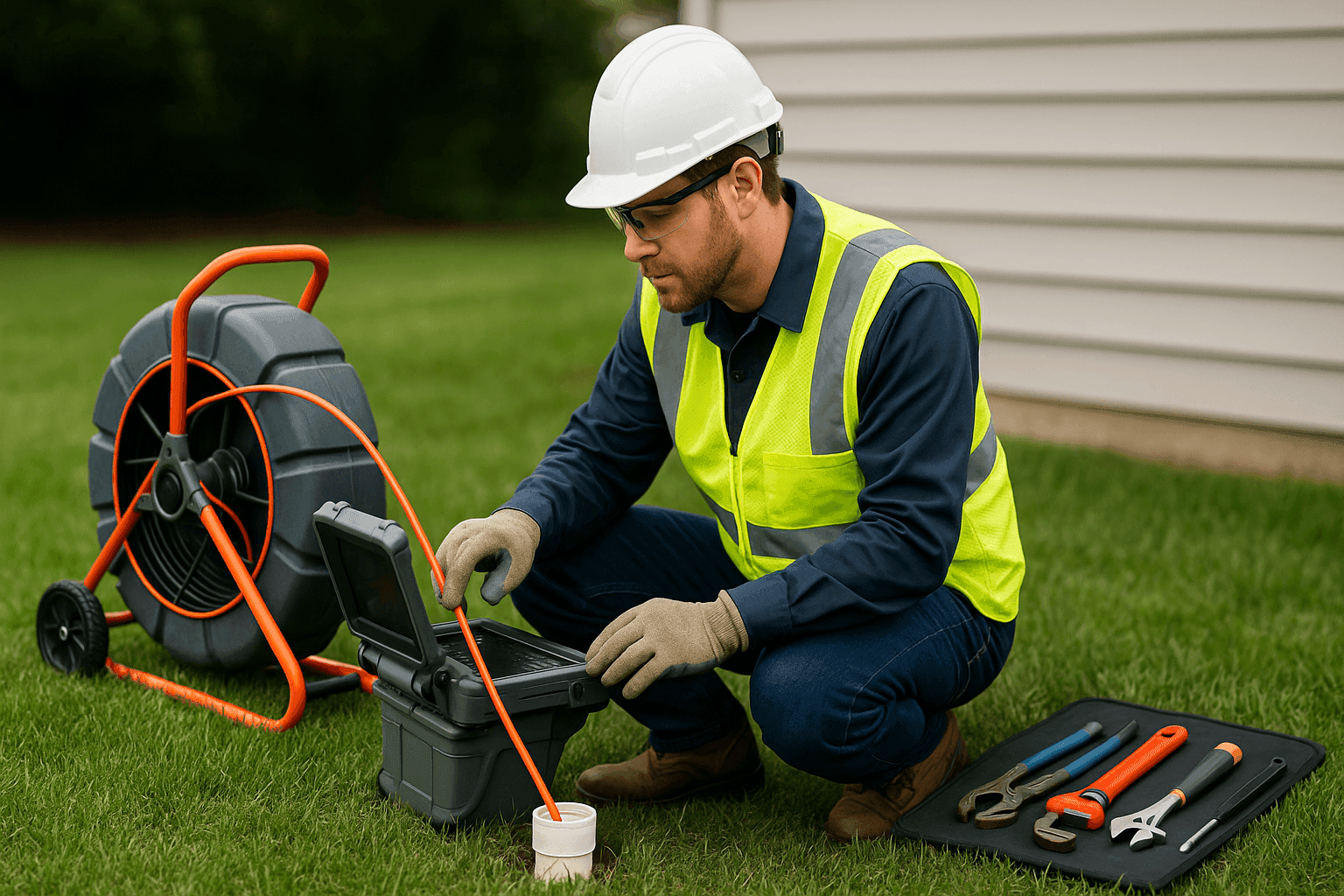
Call a licensed plumber like HLH Plumbing. We use camera inspections to see inside your lines—no guesswork, just real answers.
Quick Safety Checklist for Homeowners
- Never enter a crawlspace or basement with standing sewage.
- Keep children and pets away from affected areas.
- Wash hands thoroughly after any contact with wastewater.
- Don’t use toilets or sinks until a pro gives the all-clear.
- Know where your main water shutoff is—just in case.
DIY vs. Call a Pro
Some plumbing tasks are DIY-friendly. Sewer line problems aren’t. Here’s why:
- Store-bought snakes and chemicals can push clogs deeper or damage pipes.
- Sewer gas is dangerous—don’t risk your health.
- Plumbing codes (like those from the International Plumbing Code) require licensed pros for any sewer work.
- Camera inspections require special training and equipment.
If you’re searching for “Bathroom Plumbing near you” or “emergency plumbing,” it’s time to pick up the phone.
What Pros Do On Arrival
When HLH Plumbing arrives, here’s what you can expect:
- Professional, uniformed team with proper ID.
- Clear explanation of what we’re checking and why.
- Camera inspection of your main sewer line—no digging unless absolutely needed.
- Photos or video of the problem to show you exactly what’s happening.
- Discussion of repair options, costs, and next steps before any work begins.
Transparency is key. We believe you deserve to see what’s wrong and understand your choices.
Prevention & Maintenance
A little prevention goes a long way. Here’s how to keep sewer headaches at bay:
- Schedule annual inspections—especially if your home is older or surrounded by trees.
- Avoid flushing wipes, grease, or anything other than toilet paper.
- Trim tree roots near sewer lines.
- Install backflow prevention devices, especially in flood-prone areas.
The Uniform Plumbing Code and EPA both recommend regular inspections and prompt repair of leaks or breaks to prevent health hazards.
Costs & Time Factors
No two sewer repairs are identical. Costs and repair times depend on:
- The location and type of damage.
- The age and material of your pipes.
- Whether digging or trenchless methods are possible.
- Local permitting requirements.
Most camera inspections take about an hour. Repairs can range from a few hours to a couple of days, depending on the issue. Always ask for a clear estimate before work begins.
When It’s an Emergency
Some problems can’t wait:
- Raw sewage backing up into your home.
- Multiple drains overflowing at once.
- Strong sewer smells indoors.
- Flooding near electrical outlets or appliances.
If you spot any of these, call HLH Plumbing for emergency plumbing help—any hour, any day.
FAQ
How often should I have my sewer line inspected?
The EPA and many building codes suggest every 1–2 years, especially for homes over 20 years old or with mature trees nearby.
Can I use chemical drain cleaners for sewer problems?
It’s not recommended. Most chemicals can corrode pipes and rarely fix the actual blockage. Professional drain cleaning is safer and more effective.
Are sewer repairs covered by homeowners’ insurance?
It depends on your policy. Generally, sudden accidental damage may be covered, but age-related wear is not. Check your policy or ask your agent.
What’s the difference between a clog and a broken sewer line?
A clog is a blockage—often from grease, wipes, or roots. A break means the pipe is cracked, collapsed, or misaligned. Camera inspections can tell the difference.
Local/Seasonal Considerations
Sewer problems can spike after heavy rains or in spring when tree roots grow fastest. In colder months, freezing and thawing soils can shift pipes, causing cracks. If your area is experiencing unusual weather, keep a closer eye (and nose) on your drains.
If you’ve noticed any of these signs or just want peace of mind, don’t wait.
Call HLH Plumbing now — or reach us anytime at 877-477-7921 .