Sewer Line Repair: Causes, Methods, and Cost Guide
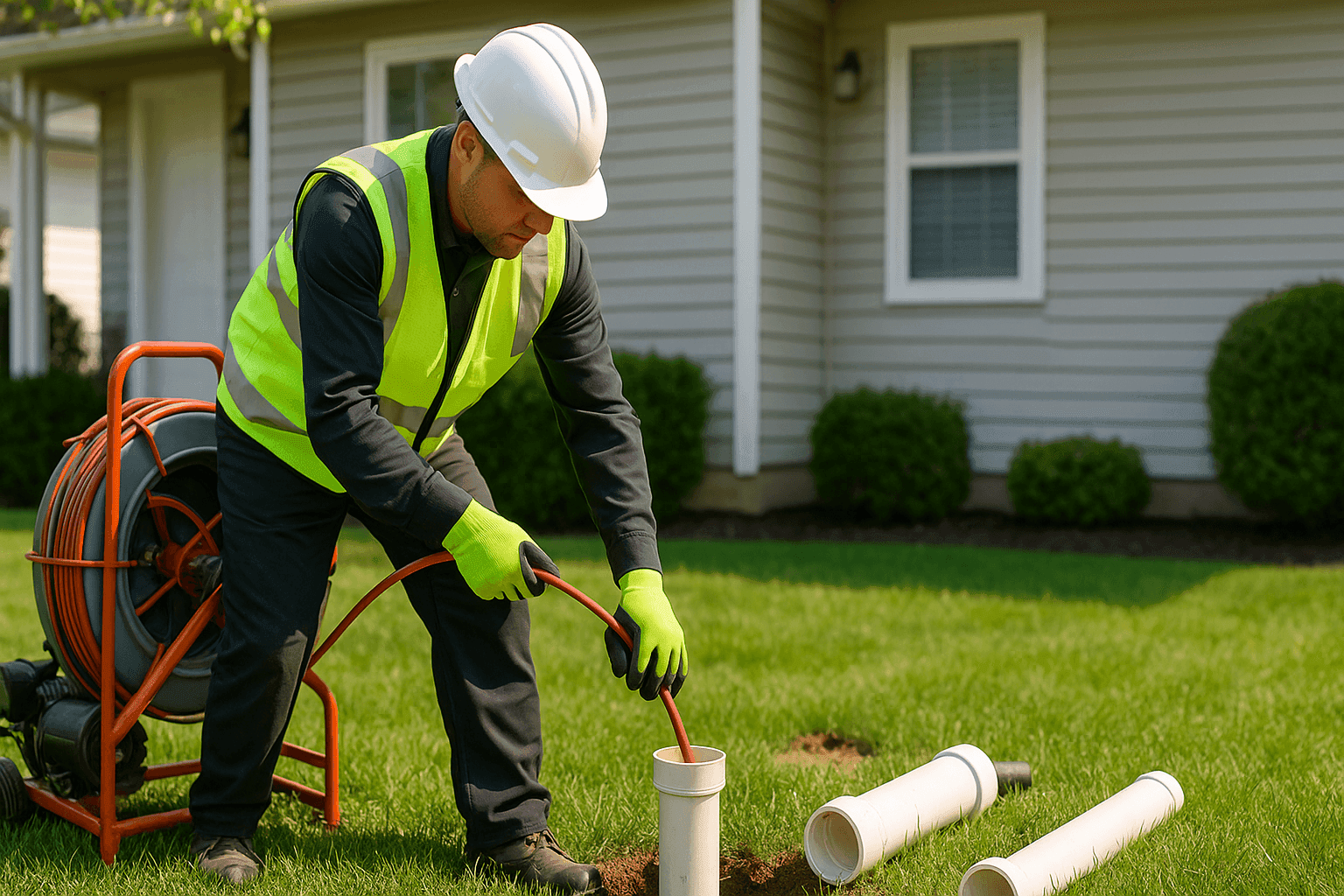
Imagine this: You flush the toilet, but instead of relief, you’re met with a slow, gurgling drain and the faint whiff of something not-so-pleasant. Sewer line problems don’t give much warning—and when they hit, you need real solutions, fast.
At HLH Plumbing, we know that sewer line issues aren’t just an inconvenience. They’re a disruption to your home, your routine, and your peace of mind. Our team handles emergencies day and night, using modern, no-dig technology, and we work with the unique challenges of local soil and aging pipes.
Common Causes of Sewer Line Damage 🚧
Sewer lines are like the silent veins of your home—moving waste and water out of sight, out of mind. But they face some serious threats:
- Tree Roots: Roots are endlessly patient. Over time, they squeeze through tiny cracks in search of moisture, eventually breaking pipes wide open.
- Pipe Collapse: Older homes often have clay or cast iron pipes. Years of shifting soil, freeze-thaw cycles, or even just gravity can cause them to buckle and break.
- Corrosion: Metal pipes rust from the inside out, especially when exposed to acidic soil or water.
- Blockages: Grease, wipes, or debris can pile up over time, leading to pressure that cracks or bursts pipes.
- Soil Movement: In regions with clay-rich soil, shifting ground puts stress on buried pipes—cracking them like a dropped eggshell.
Many neighborhoods still rely on pipes installed decades ago. If your home predates 1980, it’s especially vulnerable.
Quick Safety Checklist
If you suspect a sewer line issue, pause and check these before lifting a finger:
- Is water backing up in multiple drains? This signals a main line problem, not just a clogged sink.
- Do you smell sewage indoors or outside? This can indicate a breach.
- Has your yard become soggy or sunken? Collapsed pipes often cause ground to give way.
- Are your toilets bubbling or draining slowly? Warning signs of blockage.
- Do you have unexplained mold or mildew? Sewer leaks can raise moisture levels inside.
If you answer “yes” to more than one, it’s time to call emergency plumbing help.
DIY vs. Call a Pro
It’s tempting to grab a plunger or a bottle of chemical drain cleaner. But here’s the rub: Most DIY fixes only touch the symptoms. They won’t reach a rupture deep underground.
DIY can help if:
- The problem is a single slow drain (try plunging or a hand auger).
- You’re clearing a minor clog close to the fixture.
But call a pro if:
- Multiple fixtures are backing up.
- You see sewage outside or inside.
- You notice sudden drops in water pressure or persistent leaks.
Working with sewer lines requires specialized equipment and knowledge of state codes, like those outlined by the International Plumbing Code (IPC).
What Pros Do On Arrival
When HLH Plumbing arrives, we get straight to the heart of the issue—no guesswork.
- Inspection: We use video cameras to snake through your pipes, finding cracks, clogs, or collapsed sections in real time.
- Leak Detection: Acoustic or pressure tests help pinpoint hidden breaks.
- Discuss Options: We explain what we see and recommend the right repair—traditional or trenchless methods.
- Safety First: We follow all local codes and safety standards, from gas checks if near lines to proper excavation.
We’re equipped for every scenario—whether it’s a quick fix or a full-scale intervention.
Sewer Line Repair Methods
Traditional (Open Trench)
This method is just what it sounds like: dig a trench, expose the damaged section, and replace the pipe. It’s reliable, especially for severe collapses or when rerouting is needed. But it means disruption—think torn-up lawns and longer repair times.
Trenchless (No-Dig) Technology
Here’s where modern plumbing shines. HLH Plumbing specializes in:
- Pipe Lining: We insert a resin-coated tube into the damaged pipe, inflate it, and let it harden—essentially creating a pipe within a pipe.
- Pipe Bursting: We break the old pipe while pulling a new one into place at the same time. No massive excavation required.
Trenchless methods mean less mess, faster repairs, and often lower total costs. Not every situation fits, but when it does, it’s a game-changer.

Cost Factors and Repair Time
Every home is different, but several factors shape the final bill:
- Extent of damage: Small cracks cost less. Full collapses or long sections cost more.
- Repair method: Trenchless usually runs 20–30% less in landscaping costs, but upfront material costs are higher.
- Pipe material and length: Old clay or cast iron costs more to replace than newer PVC.
- Depth and accessibility: Pipes deeper than 6 feet or under driveways add complexity.
- Local permits and codes: Some areas require inspections that add time and fees.
Typical ranges:
- Video inspection: $100–$600, depending on length and access
- Spot repair (small section): $1,500–$3,500
- Full line replacement (traditional): $4,000–$15,000
- Trenchless replacement: $6,000–$12,000
Most jobs wrap up in 1–3 days, but complex projects may take longer.
Preventing Future Sewer Line Problems 🛡️
You can’t control everything, but a few smart moves go a long way:
- Don’t flush wipes, grease, or “flushable” products. Even if labeled “safe,” they build up over time.
- Plant trees away from main lines. Roots are relentless.
- Schedule annual inspections. Early detection is cheaper than repairs.
- Ask about backflow prevention devices. These stop sewage from coming back into your home.
- Keep an eye on water pressure. Sudden drops can signal leaks.
The Uniform Plumbing Code and EPA both recommend routine checks for homes over 30 years old.
When It’s an Emergency
Some plumbing issues can wait. Sewer line failures can’t.
- Active sewage in the home: Call us, day or night.
- Sudden yard sinkholes or flooding: Evacuate the area and call for help.
- Multiple drains gurgling or backing up at once: Shut off water at the main valve and call emergency plumbing services.
HLH Plumbing responds 24/7 because sewer problems don’t care about business hours.
FAQ
How do I know if it’s a main sewer line problem?
If more than one drain is slow or backing up, or you notice sewage smells or wet spots in your yard, chances are it’s the main line.
Is trenchless repair always possible?
Not always. Severe pipe collapse or offset joints sometimes require open trench repair, but we’ll always explain your options.
Will my yard be destroyed?
Trenchless repairs minimize disruption. Traditional methods may affect landscaping, but we’ll walk you through what to expect.
Are repairs covered by homeowners insurance?
Sometimes, if the damage is sudden and accidental. Gradual wear or neglect is usually not covered—check your policy for details.
Local and Seasonal Considerations 🌱
Regional soil makes a big difference. In areas with heavy clay or shifting ground, pipes are under constant stress. Older neighborhoods see more tree root invasion, especially during dry seasons when roots hunt for moisture.
If your home is over 40 years old, or you have mature trees nearby, scheduling preventative maintenance is wise. After heavy rains or rapid freezes, be alert for new plumbing symptoms.
Ready to Solve Your Sewer Line Problem?
Don’t let a small problem become a disaster. HLH Plumbing brings advanced tools, real solutions, and a focus on getting your life back to normal—fast.
Call HLH Plumbing now — or reach us anytime at 877-477-7921 .