Everything You Need to Know About Sewer Line Inspections
When your drains gurgle, or the bathroom starts to smell a little off, panic sets in. Sewer trouble isn’t just unpleasant—it's a sneak attack on your comfort, safety, and wallet.
At HLH Plumbing, we understand the stress a sewer problem brings. With our emergency plumbing experience, we know every minute counts. Let’s break down everything you need to know about sewer line inspections—so you can act fast, protect your home, and make the smartest call when it matters most.
What Is a Sewer Line Inspection? 🕵️
Think of a sewer line inspection as a health check for your home’s hidden arteries. Your sewer line whisks away everything you flush, rinse, or drain. But when it clogs, cracks, or gets invaded by roots, trouble backs up fast.
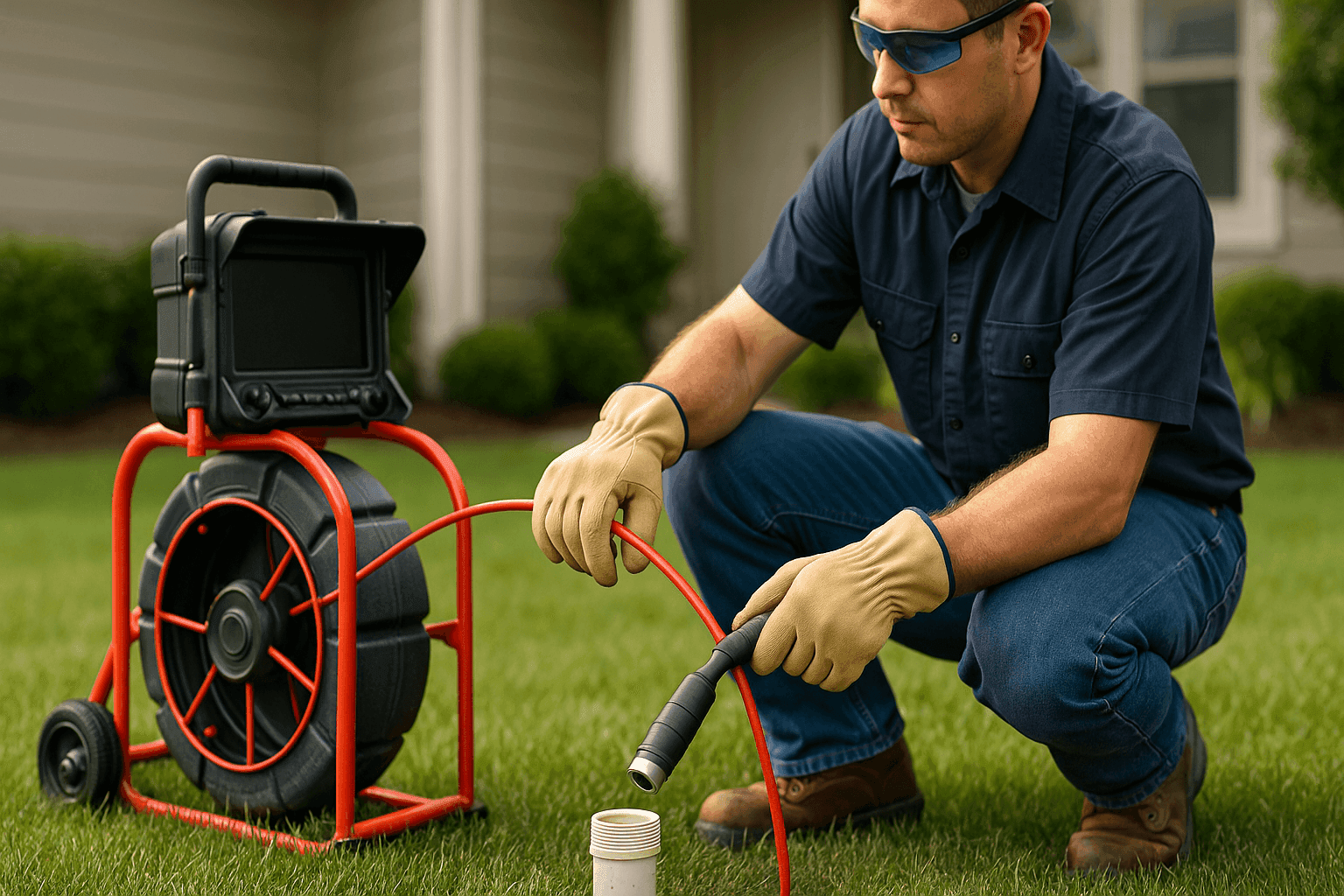
A sewer line inspection uses specialized cameras and tools to see inside these underground pipes—without digging up your yard. HLH Plumbing uses the latest camera equipment designed for residential systems. That means we spot problems early, with minimal mess and disruption.
Signs You Need a Sewer Line Inspection
Your house will talk to you when there’s a problem. Here’s what to watch for:
- Slow drains in the tub or kitchen sink that don’t clear, even after plunging.
- Bad smells—like rotten eggs or sewage—especially near drains or in the basement.
- Frequent backups in toilets or showers, even after snaking the drain.
- Unusual soggy patches in the yard, hinting at leaks underground.
- Gurgling sounds from pipes when you run water elsewhere.
If these issues pop up, especially together, it’s time to consider a sewer line inspection—before something worse happens.
How Sewer Line Inspections Work
Camera Inspections
Most modern inspections use high-definition cameras. Think of them as tiny explorers, venturing through your pipes while sending back live video. The plumber feeds a flexible cable with a waterproof camera into your main sewer line. On a monitor, they watch for cracks, blockages, or root snags.
At HLH Plumbing, we use state-of-the-art cameras with powerful lights and digital recording. This means clearer images and more precise diagnoses.
Smoke Testing
Sometimes, plumbers use a safe, non-toxic smoke blown into the pipes. If smoke appears where it shouldn’t—like in your yard or basement—it reveals leaks or illegal connections. While not as common as camera inspections, smoke tests can quickly pinpoint hidden issues.
What Inspectors Look For
A sewer line might seem solid, but plenty can go wrong underground. Here’s what HLH Plumbing checks during an inspection:
- Root intrusion: Tree roots are relentless. They wiggle into tiny cracks and expand, blocking the pipe and causing messy backups.
- Cracks and corrosion: Older pipes (especially in city neighborhoods with aging infrastructure) may crack, collapse, or corrode.
- Blockages: Grease, wipes, and debris build up over time, narrowing the flow.
- Bellies or sags: Sections of pipe that sink can collect waste and water, creating ongoing problems.
- Misaligned joints: Shifting soil or poor installation can knock pipe sections out of place.
Each issue needs a different solution. The inspection results guide your next steps.
How Results Inform Repairs
Once the inspection’s done, you’ll see the evidence—video footage, photos, and a clear explanation.
- For minor debris, a thorough drain cleaning might be enough.
- Roots may need to be cut out and treated.
- Cracked or collapsed pipes could mean targeted repairs or, in severe cases, replacement.
HLH Plumbing will show you exactly what’s happening underground and lay out your options. No guesswork. No unnecessary digging. Just actionable info.
Local Insight: Roots and Old Pipes
If you live in an older city neighborhood, sewer lines often share the same age as the houses—sometimes dating back 50 years or more. Clay or cast iron pipes are especially vulnerable to damage and root intrusion.
Tree-lined streets are beautiful, but their roots can travel far in search of moisture. In our area, especially after heavy rain or dry spells, root growth speeds up. That’s why regular inspections save headaches before you notice a problem.
When Should You Get a Sewer Line Inspection?
- Buying or selling a home: Avoid nasty surprises and negotiate repairs.
- Major plumbing issues: If you’ve had more than one backup or persistent slow drains.
- After a big storm or flood: Heavy water can shift pipes or force debris into your line.
- If you have mature trees near your sewer line: Prevent root invasion before it starts.
Practical Tips for Homeowners
- Don’t flush wipes—even the “flushable” kind. They can tangle and block pipes.
- Limit grease down the drain. It hardens inside pipes, narrowing the passage.
- Know your sewer line’s location. This info helps if you need to dig or plant trees.
- Schedule periodic inspections (every 2–5 years for older homes, per National Association of Home Builders guidelines).
What to Expect: HLH Plumbing’s Process
- Arrival: We listen to your concerns, ask about your plumbing history, and prepare the inspection equipment.
- Setup: Our technician accesses your main cleanout (usually in the basement or yard).
- Inspection: The camera navigates the full length of your sewer line, recording everything.
- Review: We show you the footage, explain any issues, and outline next steps—whether it’s a simple cleaning or a more advanced repair.
How Long Does a Sewer Line Inspection Take? What About Costs?
- Time: Most inspections take 45–90 minutes, depending on pipe length and access.
- Cost: Prices vary based on your home’s layout, pipe material, and findings. While we can’t give exact numbers here, expect it to be far less expensive than waiting for a full-blown emergency.
When Sewer Problems Become an Emergency
Sometimes, you can’t wait. Call HLH Plumbing for emergency plumbing help if:
- Raw sewage backs up into your home.
- Drains across the house stop working all at once.
- There’s an overwhelming sewer odor, especially if you notice water pooling where it shouldn’t.
Fast action protects your property and health.
FAQ: Sewer Line Inspections
How often should I inspect my sewer line?
Older homes benefit from inspections every 2–5 years. Newer homes can go longer unless you notice warning signs.
Can I use drain cleaners instead?
Chemical cleaners can damage pipes and only clear minor clogs. They won’t fix cracks, roots, or collapsed sections.
Is a camera inspection messy?
Not at all. The process is quick, tidy, and usually requires no digging.
Will insurance cover sewer repairs?
It depends on your policy and the cause of damage. Check with your provider for details.
Local and Seasonal Concerns
In our area, freezing winters and heavy spring rains stress old pipes. Rapid temperature changes can cause pipes to expand, contract, and crack. Tree roots become extra thirsty during dry summers, sneaking into any available cracks. Planning ahead with inspections—especially after major weather events—can save you from bigger repairs down the line.
Your Next Steps
Don’t let a hidden sewer problem become a household disaster. If you’ve noticed any warning signs, or just want peace of mind, HLH Plumbing is ready to help. Our advanced camera equipment and real-world experience mean answers—fast.
Call HLH Plumbing now — or reach us anytime at 877-477-7921 .