Preventing Frozen Pipes: Winter Plumbing Tips for Homeowners
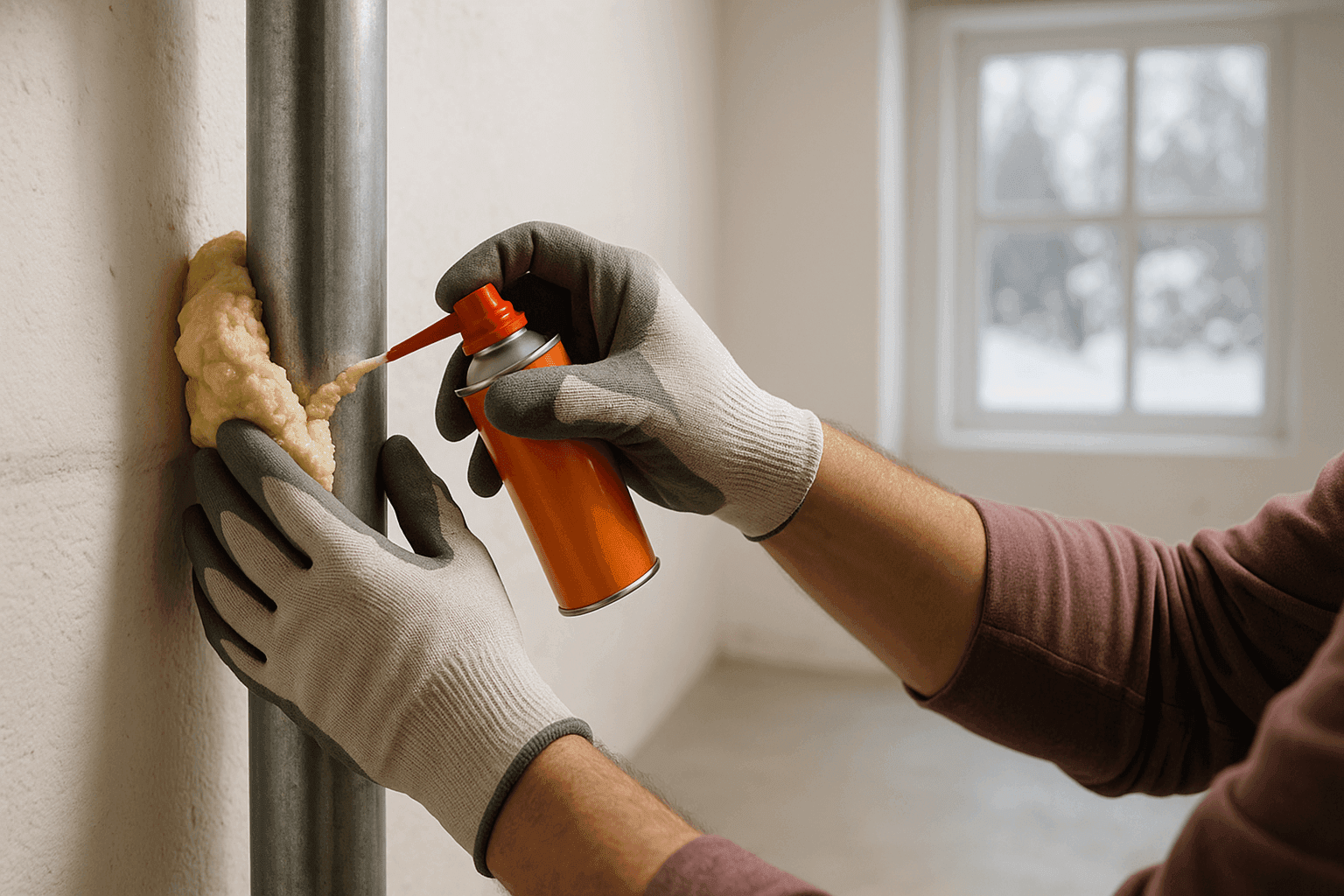
Winter sneaks up before you know it. One night, you’re cozy in your living room. The next, you’re mopping icy water off the basement floor, wishing you’d paid more attention to those pipes. At HLH Plumbing, we’ve seen it all—burst pipes, unhappy mornings, surprise repairs. We’re here so you can stay ahead of winter’s bite.
If you’re reading this, you already care about keeping your home safe and dry. That’s half the battle won. Let’s walk through what you really need to know—no fluff, just solid, practical advice for homeowners in all climates.
Why Pipes Freeze
Water expands as it turns to ice. Pipes, unfortunately, don’t. Imagine a soda can left in the freezer—when water inside your pipes freezes, pressure builds up. The weakest spot gives way. Pop! That’s when the real trouble starts.
Pipes freeze most often when:
- Outdoor temperatures are below 32°F (0°C)
- Pipes run through unheated areas (think garages, crawl spaces, attics)
- You leave home for days with the heat turned down
Both severe and moderate winter climates are at risk. A sudden cold snap can catch even “mild” regions off guard—especially if your home isn’t prepped.
At-Risk Pipe Locations 🧊
Some pipes are like daredevils—they’re always in the most dangerous spots. If you know where to look, you can protect your home before trouble starts.
Common at-risk locations:
- Basements and crawl spaces: Out of sight, out of mind—but always cold
- Exterior walls: Especially in older homes with less insulation
- Attics and garages: Often unheated, even in newer houses
- Under kitchen and bathroom sinks: Cabinets can trap cold air, especially against outside walls
Checklist: Where to Check
- Pipes running along any outside wall (bathrooms, kitchens, utility rooms)
- Exposed piping in basements, garages, or crawl spaces
- Outdoor faucets and hose bibs
- Any pipe that feels cold to the touch during winter
DIY Insulation Techniques
Insulating pipes is like wrapping a scarf around your neck on a frosty morning. Simple, affordable, and effective.
How to Insulate Pipes
- Measure and Buy: Measure the length and diameter of exposed pipes. Buy foam pipe sleeves or fiberglass insulation at any hardware store.
- Clean the Pipes: Wipe pipes down before insulating—dust weakens the seal.
- Wrap and Secure: Slip foam sleeves over the pipes. For bends or joints, use fiberglass wrap or specially designed corner pieces. Secure with duct tape or zip ties.
- Seal the Gaps: Use spray foam or caulk where pipes enter walls.
Diagram: Basic Pipe Insulation
[Wall]---[Pipe]====[Foam Sleeve]====[Pipe]---[Wall]
         |             |
         |______Duct tape or zip tie here
Extra Tips for Severe Climates
- Double up insulation in basements and crawl spaces
- Use heat tape (UL-listed only) for pipes that have frozen before
- Open cabinet doors under sinks to let warm air reach pipes during cold snaps
For Moderate Climates
- One layer of foam insulation is usually enough
- Disconnect garden hoses and shut off outside faucets
- Drain sprinkler lines before the first freeze
Signs of Frozen Pipes
Sometimes, your plumbing sends warning signals before disaster strikes. Catching these early can save thousands in repairs.
Look for:
- Little or no water coming from faucets (especially in the morning)
- Frost on exposed pipes
- Unusual clanking or whistling sounds when turning taps
- Damp drywall, ceiling stains, or unexplained puddles
If your water pressure drops suddenly or you spot frost on a pipe, act fast.
What to Do If Pipes Freeze 🚨
A frozen pipe is bad. But a burst pipe is worse. Here’s what to do—step by step:
- Shut off the main water supply immediately to prevent flooding if the pipe bursts.
- Open all faucets—this relieves pressure and allows water to escape as the ice melts.
- Apply gentle heat using a hair dryer, heating pad, or towels soaked in hot water. Start from the faucet end and work toward the frozen section.
- Never use an open flame (like a blowtorch). It’s a major fire hazard.
- Check for leaks as the pipe thaws. Watch for drips or water stains.
If you can’t locate the frozen section or if the pipe is already split, call HLH Plumbing for emergency plumbing help right away.
Quick Winter Pipe Safety Checklist
- [ ] Insulate all exposed pipes (foam sleeves or fiberglass)
- [ ] Disconnect and drain outdoor hoses
- [ ] Close and cover outdoor faucets
- [ ] Open cabinet doors under sinks during cold spells
- [ ] Set thermostat to at least 55°F (13°C) if leaving home
- [ ] Seal cracks and holes around pipes with caulk or spray foam
- [ ] Know where your main water shutoff valve is
DIY vs. Call a Pro
Some winter pipe prep is a weekend project. Some jobs, though, are best left to the pros.
DIY Tasks:
- Installing foam sleeves on exposed pipes
- Sealing small gaps with caulk
- Opening cabinets, letting faucets drip on cold nights
Call HLH Plumbing for:
- Insulating hard-to-reach pipes (crawl spaces, attics)
- Installing heat cables or complex insulation
- Major leak repair, pipe replacement, or repiping
- Emergency plumbing support, 24/7
If you’re unsure, err on the side of caution—water damage moves fast.
What HLH Pros Do On Arrival
When you call HLH Plumbing, here’s what to expect:
- Assessment: We check for frozen or burst pipes, water damage, and at-risk areas.
- Immediate containment: Stop leaks, shut off water, and minimize damage.
- Pipe thawing: Use specialized, safe equipment—never open flames.
- Repairs: Repair or replace damaged sections. Inspect for additional weak spots.
- Winterize: Offer preventative solutions—insulation, pipe rerouting, or heat tape installation.
Our team follows local building codes and National Plumbing Code guidelines to keep your home safe.
Prevention & Maintenance
The best time to protect your pipes? Before winter hits. A little effort in fall saves a lot of stress in January.
HLH Winter Prep Services
- Full-home pipe insulation
- Boiler and water heater checks
- Backflow prevention and testing
- Leak detection for hidden trouble spots
- Gas safety checks and appliance winterization
- Sewer line inspection for blockages caused by freezing
Ongoing Maintenance Tips:
- Schedule annual plumbing inspections (late fall is ideal)
- Replace old or damaged insulation
- Test sump pumps and backflow devices before first freeze
- Check boiler and water heater operation
Costs & Time Factors
How much time—and money—will winterizing your pipes take? It depends.
- DIY insulation: A few hours and $1–$3 per foot of foam sleeve
- Professional insulation or repairs: Anywhere from a couple hours to a full day, depending on access and damage
- Emergency plumbing repairs: Can run several hours, especially if water damage is severe
Remember, the cost of prevention is always less than repairing a burst pipe and cleaning up the mess.
When It’s an Emergency 🚨
Not every frozen pipe is an emergency. But if you spot any of these, call HLH Plumbing right away:
- Water leaking or flooding inside your home
- No water from multiple faucets
- Boiler or water heater failure in subfreezing weather
- Gas odors or suspected line breaks
24/7 emergency plumbing means you’re never alone in the storm.
FAQ: Winter Pipe Protection
Do pipes only freeze in really cold climates?
No. Pipes can freeze in moderate climates during unexpected cold snaps—especially if pipes run through uninsulated spaces.
How long does it take for a pipe to freeze?
A pipe can freeze in as little as 6–8 hours of subfreezing temperatures, according to the Insurance Institute for Business & Home Safety.
Is it safe to use a space heater to thaw pipes?
Use with caution, and never leave it unattended. Keep space heaters away from flammable materials.
Should I let faucets drip overnight?
Yes, letting a trickle of water run can prevent pressure build-up and help keep water moving.
Local and Seasonal Considerations
Winters aren’t the same everywhere. HLH Plumbing serves homes in both harsh and more temperate regions.
Severe Winter Areas:
- Prioritize basement, attic, and crawl space insulation
- Consider pipe rerouting for chronic trouble spots
- Winterize outdoor plumbing every fall—without fail
Moderate Winter Areas:
- Focus on kitchen, bathroom, and garage pipes on exterior walls
- Be ready to act during rare cold snaps—keep supplies on hand
- A single layer of insulation is usually enough, but check annually
Tip: The National Weather Service issues freeze warnings—sign up for alerts in your area.
No one wants to wake up to a burst pipe and an indoor skating rink. Take these steps now to keep your home safe, dry, and comfortable all winter long. If you need help—or if a pipe freezes despite your best efforts—HLH Plumbing is ready day or night.
Call HLH Plumbing now — or reach us anytime at 877-477-7921 .