How to Prevent Plumbing Emergencies During Seasonal Changes
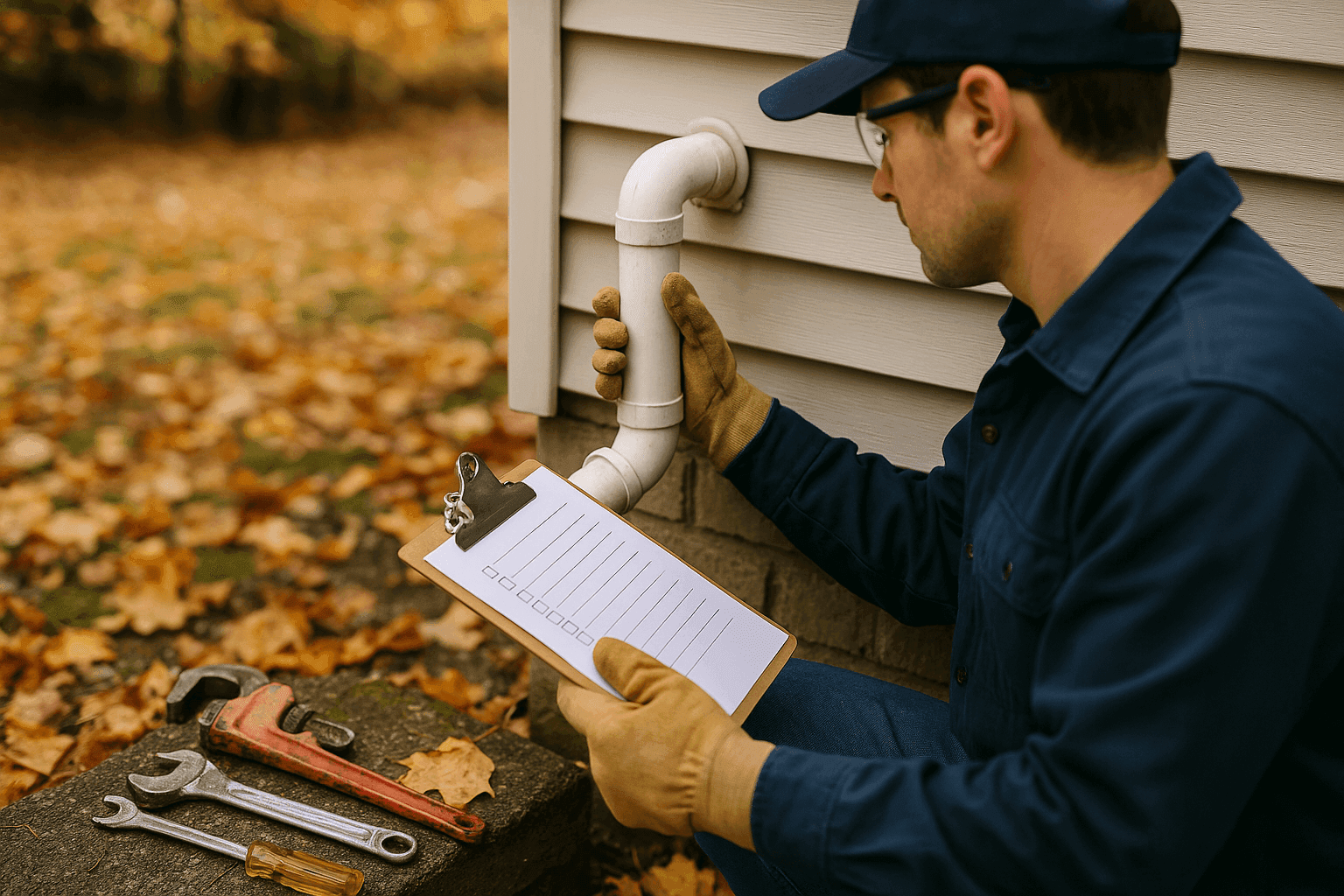
When the weather flips from icy cold to blazing hot—or back again—your plumbing can take a beating. Pipes freeze, drains clog, and leaks pop up at the worst times. For homeowners and small business owners, a sudden plumbing emergency can turn a normal day into a scramble.
At HLH Plumbing, we know the stress of an overflowing toilet or a burst pipe. Our team is on call 24/7, ready to help. But the best fix is prevention. Here’s how you can outsmart seasonal plumbing troubles before they start.
Why Seasonal Changes Trigger Plumbing Problems
Mother Nature has a way of testing your pipes. Winter’s deep freezes can turn water into ice, expanding pipes until they burst. Spring and summer storms dump heavy rain, challenging your sump pump and sewer lines. Even the shift to autumn brings falling leaves that clog drains.
Think of your plumbing as the veins of your building. They need to stay clear and flexible, no matter what the forecast says. Neglecting seasonal maintenance is like ignoring that check engine light—problems grow quietly until they become urgent.
Common Seasonal Plumbing Risks
- Frozen pipes (winter)
- Burst water lines (freeze/thaw cycles)
- Clogged drains and gutters (fall leaves, spring debris)
- Sump pump overload (heavy rains)
- Sewer backups (storm surges)
- Water heater strain (cold snaps, summer demand)
- Hidden leaks (expansion/contraction cracks)
Quick Safety Checklist for Every Season 🛠️
A few simple checks, done each season, can save you thousands in repairs. Here’s what to watch for:
- Inspect exposed pipes for cracks or bulges
- Test sump pump before rainy seasons
- Check outdoor faucets and hoses for leaks
- Clean gutters and downspouts
- Look for slow drains or gurgling toilets
- Listen for unusual noises in walls or floors
- Monitor water pressure—sudden drops signal trouble
- Check for wet spots on ceilings, walls, or under sinks
- Test water heater relief valve and flush tank
- Schedule annual backflow and gas safety checks
DIY or Call a Pro? Knowing Your Limits
Some tasks are safe for a handy homeowner. Others need the skill—and tools—of a licensed plumber. Here’s a quick guide:
Safe DIY Tasks
- Insulating exposed pipes with foam sleeves
- Clearing minor clogs with a plunger
- Tightening loose faucet connections
- Checking for visible leaks under sinks
- Flushing water heater (if you’ve done it before)
Call HLH Plumbing If…
- You find a major leak or burst pipe
- Water stains spread on ceilings or walls
- Drains back up repeatedly
- Sump pump won’t turn on or runs constantly
- Gas odors are present (leave the area and call immediately)
- You hear hissing, banging, or gurgling in pipes
Remember: Water and gas are powerful forces. If you’re unsure, it’s safer to call in the pros.
What Plumbers Do When They Arrive
When you call HLH Plumbing for an emergency, here’s what happens:
- Rapid assessment: We quickly locate the source—using leak detection equipment if needed.
- Containment: Shut off water or gas to limit damage.
- Diagnosis: Pinpoint what failed—pipe, fixture, drain, or appliance.
- Repair: Fix or replace damaged parts with code-compliant materials.
- Testing: Ensure everything works safely before we leave.
- Advice: Share tips to prevent repeat problems.
We follow safety standards set by organizations like the International Association of Plumbing and Mechanical Officials (IAPMO) and local building codes.
Prevention & Maintenance: Your Year-Round Game Plan
An ounce of prevention is worth a pound of repairs. Here’s how to keep your plumbing healthy, season after season:
Winter: Outsmarting Frozen Pipes
- Insulate pipes in unheated areas (attics, basements, garages)
- Seal gaps around doors and windows to keep cold air out
- Let faucets drip slightly during deep freezes to keep water moving
- Shut off and drain outdoor faucets before the first freeze
- Know where your main shutoff valve is—and test it
Spring: Prepare for Rain and Thaw
- Test sump pump and battery backup
- Clear out gutters, downspouts, and yard drains
- Inspect basement walls for seepage
- Check for leaks as snow melts
Summer: Guard Against Storms and High Use
- Inspect sewer lines for root intrusion
- Watch for slow drains after heavy rain
- Check outdoor plumbing (sprinklers, hoses) for leaks
- Flush hot water heater to remove mineral buildup
Fall: Get Ready for Colder Days
- Disconnect and store garden hoses
- Blow out sprinkler systems
- Insulate crawl spaces and pipe chases
- Schedule a whole-home plumbing inspection
Year-Round: Stay Vigilant
- Listen for running water when fixtures are off
- Monitor water bills for unexplained spikes
- Schedule annual backflow and gas safety checks
- Replace worn washers and seals on faucets/toilets
- Test water pressure and adjust if needed
Costs & Time Factors: What to Expect
Plumbing emergencies can range from a quick fix to a major project. Here’s what affects the time and cost:
- Severity: A small leak is cheaper than a burst pipe or sewer backup.
- Access: Pipes behind walls or under foundations take longer to reach.
- Parts: Specialized fixtures or older systems may need custom parts.
- Timing: After-hours or holiday calls may incur higher rates.
- Prevention: Regular maintenance is almost always less expensive than emergency repairs.
A routine sump pump check might take under an hour. Fixing a burst pipe could take several hours—and require drying out the area. Preventative care, like annual inspections, is a small investment compared to the cost of water damage or mold remediation.
When It’s an Emergency
Some plumbing problems can’t wait. Call HLH Plumbing right away if you notice:
- Water pouring from ceilings, walls, or floors
- Sewage backing up into sinks, tubs, or toilets
- No water flow at all
- Gas smells or hissing near gas lines
- Flooded basements or crawl spaces
- Water heater leaking or making loud, unusual noises
Quick action protects your property and keeps everyone safe.
FAQ: Seasonal Plumbing Emergencies
How can I tell if my pipes are about to freeze?
If you notice frost on exposed pipes, very low water pressure, or no water flow from faucets during cold snaps, your pipes may be freezing. Open cabinet doors to let warm air in and call HLH Plumbing if you suspect a freeze.
Is it safe to use chemical drain cleaners?
Most plumbers recommend avoiding harsh chemicals. They can damage pipes and harm the environment. Mechanical methods (plungers, drain snakes) are safer. For persistent clogs, call a professional.
How often should I flush my water heater?
Once a year is a good rule of thumb. Flushing removes sediment that can reduce efficiency and shorten the heater’s life.
What’s the best way to prevent sewer backups during storms?
Keep gutters and yard drains clear, install a backwater valve if needed, and have your sewer lines inspected regularly—especially if you have trees nearby.
Special Considerations for Plumbing During Seasonal Changes
- Older homes: Pipes may be more vulnerable to temperature swings and shifting soil.
- Commercial properties: Larger plumbing systems face unique stresses—regular inspections are critical.
- Vacation properties: Unused pipes can freeze faster; always winterize before leaving.
- Water filtration systems: Change filters as recommended to avoid blockages or pressure drops.
- Gas lines: Seasonal expansion and contraction can loosen fittings—schedule periodic checks.
Staying proactive keeps your plumbing system running smoothly, no matter what the season throws your way.
Call HLH Plumbing now — or reach us anytime at 877-477-7921 .