How to Prevent Costly Plumbing Emergencies: Maintenance Checklist
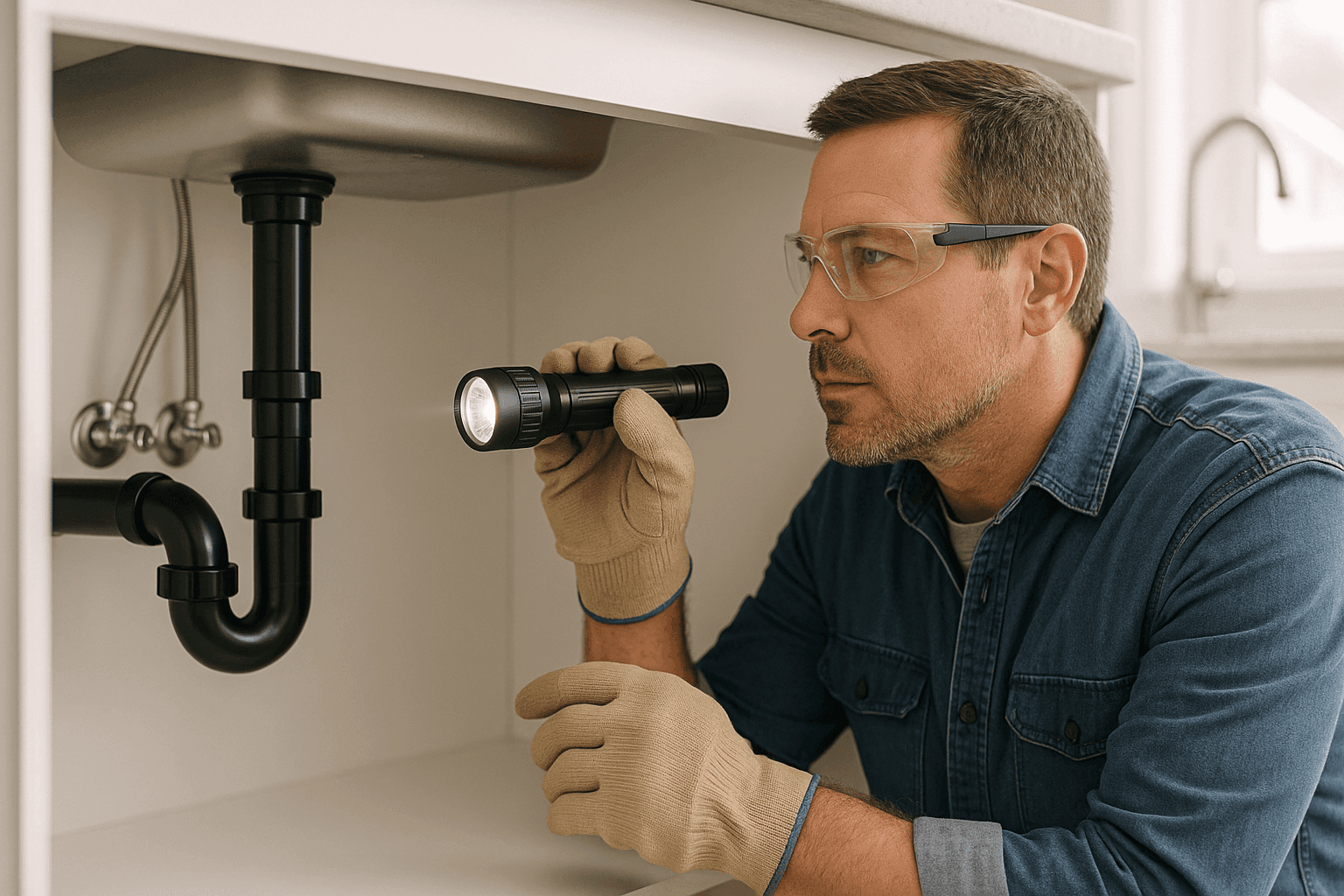
If you’ve ever woken up to a flooded basement or a freezing shower on a winter morning, you know plumbing emergencies don’t wait for a convenient time. As your local lifeline for emergency plumbing, HLH Plumbing has seen it all—from burst pipes after a storm to silent leaks that quietly ruin floors. The good news? Most disasters can be stopped in their tracks with a little regular attention.
Think of your home’s plumbing like the veins in your body. When they’re healthy, life flows smoothly. Ignore the warning signs, and trouble builds up. That’s why we’ve built this clear, step-by-step checklist to help you spot problems before they turn your day upside down.
Why Plumbing Maintenance Matters 🚰
A dripping faucet may seem harmless, but it’s like a ticking clock—each drop is a penny wasted and a signal something’s wrong beneath the surface. Left unchecked, small issues can balloon into expensive repairs or health hazards. According to the International Association of Certified Home Inspectors, water damage from leaks is among the top insurance claims for homeowners.
Routine maintenance keeps your plumbing running efficiently, extends the life of your fixtures, and can even help prevent emergencies. It’s about catching things before the dam breaks—sometimes literally.
Your Plumbing Maintenance Checklist
Timely checkups mean fewer panicked calls for emergency plumbing. Here’s what should be on your radar, broken into manageable timeframes.
Monthly Tasks
- Scan for leaks: Check under sinks, behind toilets, and near water heaters.
- Test water pressure: Sudden drops might signal a hidden leak or clog.
- Clear slow drains: Use a safe, enzyme-based cleaner or a plunger to keep things moving.
- Listen for odd noises: Gurgling or banging can point to air in pipes or blockages.
Quarterly Tasks
- Inspect faucet aerators and showerheads: Remove buildup to keep water flowing.
- Flush unused drains: Pour water down infrequently used sinks or tubs to avoid dry traps and odors.
- Check washing machine hoses: Look for cracks or bulges that could burst.
Annual Tasks
- Schedule professional inspections: HLH Plumbing can check gas lines, sewer lines, and perform backflow testing.
- Drain and flush water heaters: Prevents sediment buildup, especially in hard water areas.
- Inspect sump pumps: Essential before storm season.
- Test shut-off valves: Make sure you can turn off water quickly in an emergency.
- Review water filtration systems: Replace filters as recommended by manufacturers.
Download your printable HLH Plumbing Maintenance Checklist [PDF].
DIY Tasks vs. When to Hire a Pro
Some jobs are perfect for a confident homeowner. Others need a practiced eye and professional tools. Here’s how to tell the difference:
Safe for Homeowners
- Changing faucet washers or showerheads
- Unclogging minor sink blockages with a plunger
- Tightening loose fixture hardware
- Cleaning visible traps under sinks
Call HLH Plumbing for:
- Persistent leaks or water stains on ceilings
- Sewer smells or slow drains in multiple rooms
- No hot water or strange noises from your water heater
- Gas line issues or boiler problems
- Any plumbing work involving codes or permits
Remember, a small mistake with gas or water can lead to big trouble. If you’re unsure, it’s always safer to call for emergency plumbing help rather than risk your home or safety.
Commonly Missed Issues
Even diligent homeowners overlook some sneaky troublemakers:
- Hidden leaks: Small drips inside walls or under floors may not be visible until damage appears.
- Slow, recurring clogs: These often mean a deeper problem in your sewer line.
- Backflow risks: Especially in homes with irrigation systems or older plumbing.
- Malfunctioning shut-off valves: If you can’t close them, they won’t help in a crisis.
- Low or fluctuating water pressure: Can signal corroded pipes or buildup.
A thorough inspection by HLH Plumbing’s team can spot these before they worsen.
HLH’s Inspection Process & Reminders
Our process is built on real-world experience and code compliance. Here’s what you can expect when you book routine service:
- Licensed plumbers inspect all accessible pipes, fixtures, and valves
- Use of advanced leak detection tools
- Assessment of water pressure, heater function, and sewer line health
- Backflow prevention checks
- Digital reminders for your next recommended service
Want to stay ahead? Sign up for HLH’s seasonal maintenance reminders—timed to fit your region’s unique challenges.
Local/Seasonal Considerations
Where you live shapes your plumbing priorities.
Hard Water Areas
Mineral deposits can clog pipes and shorten the life of water heaters and appliances. Install a water filtration system and flush your heater more often.
Freeze-Prone Climates
Insulate exposed pipes, especially in basements, crawl spaces, or exterior walls. Know where your main shut-off valve is—so you can act fast if a pipe bursts.
Storm-Prone Regions
Test your sump pump before rainy seasons. Keep gutters and downspouts clear so water flows away from your foundation. HLH Plumbing recommends backflow prevention devices for homes at risk of flooding.
What Pros Do On Arrival
When you call HLH Plumbing for emergency plumbing, here’s what happens next:
- Rapid on-site assessment of the situation
- Shut-off of water, gas, or electricity as needed for safety
- Leak detection using specialized equipment
- Temporary repairs to prevent further damage
- Clear explanation of next steps and options
We aim to fix the problem and help you understand how to avoid a repeat.
Costs & Time Factors
Plumbing repairs range from quick fixes to big projects. Here’s what influences costs and timelines:
- Severity of the issue: Small leaks are fast; sewer line repairs can take days.
- Parts availability: Some fixtures are easy to find, others might need ordering.
- Access to problem area: Hard-to-reach pipes (inside walls or underground) add time.
- Code requirements: Permits or inspections may be needed for certain repairs.
Routine maintenance is far less expensive than emergency plumbing calls—think of it as an insurance policy for your home.
When It’s an Emergency
Not sure if it’s urgent? Here are signs you shouldn’t wait:
- Water spreading on floors, especially near electrical outlets
- Smell of gas or rotten eggs
- Multiple fixtures backing up at once
- No water or no hot water during winter
- Gushing leaks you can’t stop
In these cases, turn off your main water or gas supply and call HLH Plumbing immediately.
FAQ
What if I can’t find my main shut-off valve?
Look for it near where the main water line enters your home—often in basements, crawl spaces, or garages. If you’re still unsure, HLH Plumbing can help you identify and label it during a routine visit.
How often should I flush my water heater?
At least once a year for most homes, but every six months if you have hard water. Sediment buildup can shorten its life and affect efficiency.
What’s backflow and do I need prevention?
Backflow is when dirty water reverses into your clean supply. If you have irrigation, a pool, or certain appliances, a prevention device is a must. HLH Plumbing can test and install these as needed.
My toilet clogs often—is it a sign of something worse?
Frequent clogs may mean a bigger issue in your sewer line or vent stack. If a plunger doesn’t fix it, schedule an inspection.
Regular maintenance is the difference between peace of mind and a plumbing disaster. Whether you’re searching for “Bathroom Plumbing near you” or need emergency plumbing at midnight, HLH Plumbing is ready to help.
Call HLH Plumbing now — or reach us anytime at 877-477-7921 .