Pipe Repair vs. Repiping: What’s Best for Your Home?
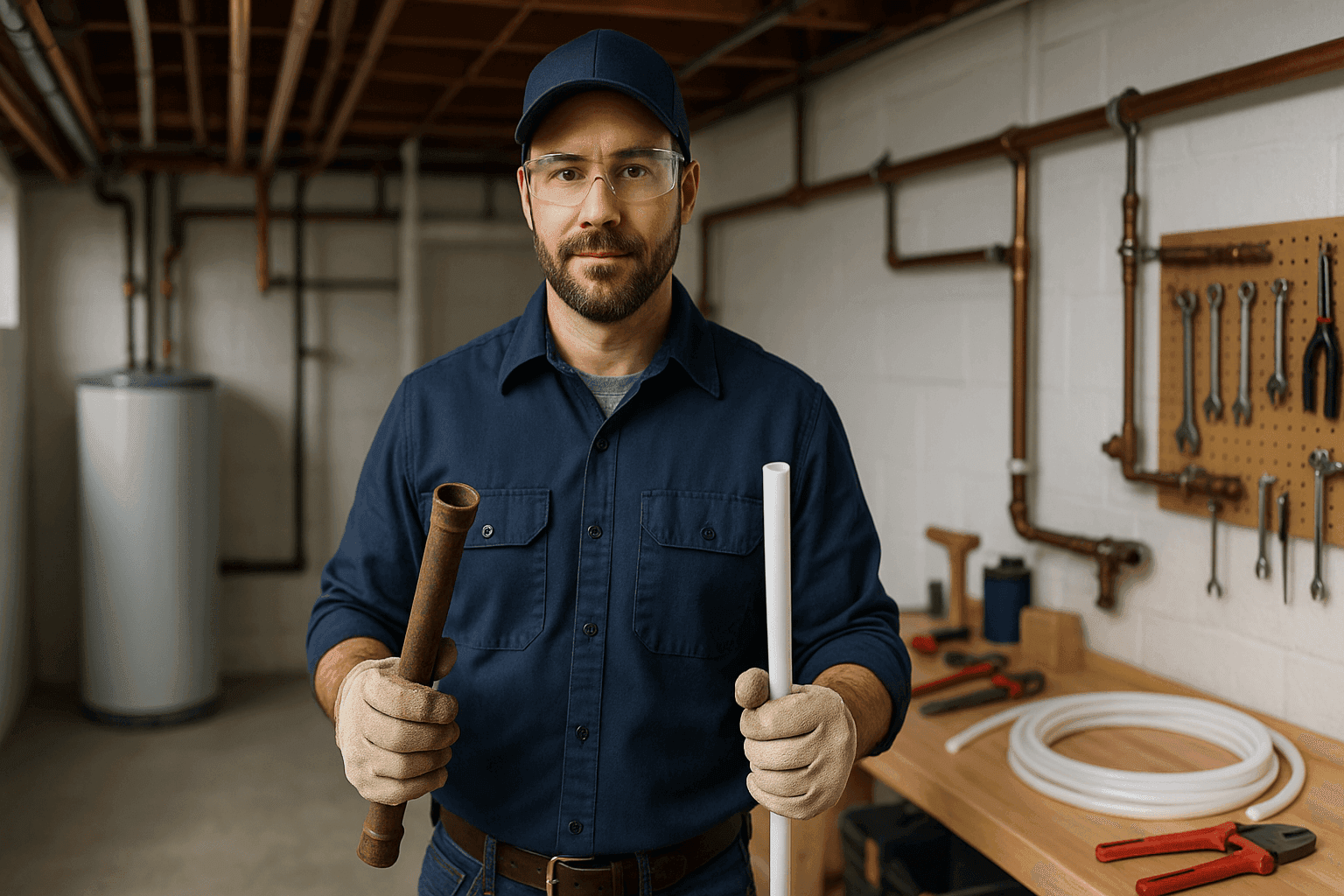
You hear it—a drip, a hiss, maybe a rattle inside your walls. Maybe you’ve spotted a damp spot on the ceiling or your basement smells musty. It’s easy to hope it’s nothing. But water has a way of making small problems big in a hurry.
At HLH Plumbing, we know how stressful pipe issues can be. Burst pipes never wait for a convenient time, and choosing between a quick fix and a full repipe feels overwhelming. Let’s break it down, so you can make the right call for your home, your budget, and your peace of mind.
Signs Your Pipes Need Attention 🚩
Sometimes, pipes shout for help. Sometimes, they whisper. Here’s what to listen—and look—for:
- Visible leaks or water stains: On ceilings, walls, or under sinks.
- Discolored water: Brown, yellow, or cloudy water could mean rust or corrosion.
- Drop in water pressure: A sudden or ongoing decrease hints at a hidden leak or mineral buildup.
- Strange noises: Banging, whistling, or gurgling sounds inside the walls.
- Frequent clogs: Persistent backups can mean bigger trouble downstream.
- High water bills: Surprising spikes aren’t just inflation—they’re often leaks.
If you spot any of these, it’s time for a closer look.
Pipe Repair vs. Repiping: Deciding Factors
Should you patch things up, or start fresh? The answer depends on a mix of age, material, and what’s flowing through those pipes.
1. Age of Your Plumbing
- Pipes over 50 years old: Time is not a friend to pipes, especially galvanized steel or cast iron. They corrode from the inside out.
- Newer systems: Copper, PEX, and certain plastics last longer—sometimes 50+ years if installed right.
2. Pipe Material
- Galvanized Steel: Common in homes built before the 1970s. Prone to rust, corrosion, and blockages.
- Copper: Durable, but can pit and leak if your water is acidic.
- PEX & CPVC: Good for most modern homes, but can be sensitive to UV or extreme temps.
- Lead: If your home still has lead pipes, replacement isn’t optional—it’s for your health.
Local tip: Many older neighborhoods in our region still have galvanized steel or copper. Local codes (see: Uniform Plumbing Code, IPC) favor copper and PEX for new installs.
3. Water Chemistry
- Hard water: High in minerals, speeds up scale and corrosion.
- Acidic water: Eats away at copper and metals, causing pinhole leaks.
- Chlorine: Can weaken certain plastics over time.
Your city’s water report or a test kit can tell you a lot about hidden risks.
4. History of Repairs
Multiple patches in the same spot? That’s a sign the whole system may be ready for retirement.
5. Your Plans
- Staying long-term? Repiping is an investment that can add value and reliability.
- Selling soon? Repairs may get you by, but old pipes can turn off buyers or slow inspections.
Cost Comparison 💸
Let’s get real: plumbing isn’t cheap. But ignoring the problem can cost far more.
- Pipe Repair: Usually the budget-friendlier option, especially for isolated leaks or damage. Think of it like patching a tire—quick, but not always permanent.
- Repiping: The upfront cost is higher, as it means replacing all or most pipes in your home. But you’re paying for decades of peace, fewer leaks, better water pressure, and safer water.
What drives the price?
- Number of bathrooms/kitchens
- Accessibility (finished basements and tight walls add time)
- Material choice (copper costs more than PEX, for example)
- Home size and layout
The U.S. Department of Housing and Urban Development offers helpful cost guidance for homeowners. Always check what applies for your area and home size.
Project Timeline: Repair vs. Repiping
Repairs:
- Most pipe repairs are done in a few hours, sometimes a day for bigger leaks.
Repiping:
- Full repiping can take 2–7 days, depending on home size and complexity.
- Water may be off for parts of the day, but HLH Plumbing works to keep disruption minimal.
Decision Flowchart: Repair or Repipe?
Should you fix or start fresh? Follow this simple flow:
Do you have a leak or water problem?
⬇️
Is this the first time, or one of many?
- First time:
- Is your home under 40 years old?
- Yes: Repair is likely enough.
- No: Inspect for other weak spots.
- Is your home under 40 years old?
- Multiple times, or pipes are old:
- Is your plumbing material outdated or failing?
- Yes: Strongly consider repiping.
- No: Detailed inspection needed.
- Is your plumbing material outdated or failing?
Still unsure? A pro inspection is always the safest bet.
HLH Plumbing’s Material Options & Warranty
We know every home is different. HLH Plumbing offers:
- Copper: Time-tested, durable, meets local codes.
- PEX: Flexible, freeze-resistant, ideal for many modern homes.
- CPVC: Good for hot and cold water, cost-effective.
All our materials meet or exceed ASTM and local regulatory standards. For peace of mind, we offer clear, written warranties on labor and materials—so you know exactly what’s covered.
Local Pipe Material Standards & Water Chemistry
Our region’s homes face unique challenges:
- Older construction: Galvanized steel is common in pre-1970s homes—now phased out by code.
- Water quality: Hard water from local wells or municipal sources can shorten pipe lifespan.
- Seasonal swings: Winters here can freeze unprotected pipes—modern materials like PEX handle this stress better.
HLH Plumbing always checks your home’s water chemistry before recommending repairs or repiping.
Practical Tips for Homeowners 🛠️
- Know your shut-off valve: In an emergency, seconds count. Make sure you—and your family—know where it is.
- Check for signs regularly: Peek under sinks, behind toilets, and in the basement every month.
- Keep pipes warm in winter: Insulate exposed pipes and keep cabinet doors open during cold snaps.
- Schedule routine inspections: A yearly check-up can spot small issues before they become disasters.
- Install water alarms: These simple devices alert you to leaks before they cause major damage.
Refer to the International Association of Plumbing and Mechanical Officials (IAPMO) and your local building department for more maintenance and safety tips.
Frequently Asked Questions
Q: How do I know if my whole house needs repiping?
A: If you’ve had several leaks, your pipes are over 50 years old, or you have lead/galvanized pipes, it’s usually time to consider a full repipe.
Q: Will my water be shut off during repiping?
A: Yes, but only for certain periods. HLH Plumbing works room-by-room to minimize downtime.
Q: Does pipe material really matter?
A: Absolutely. Local water chemistry, pipe location, and your home’s age all play a role in choosing the right material.
Q: Can I just repair one bad spot?
A: Sometimes, yes. But if one spot fails, others may follow. A professional assessment is key.
When It’s an Emergency
- Burst pipe? Shut off your main water valve and call HLH Plumbing immediately.
- Sewage backup or strong gas smell? Evacuate and call 911, then us.
- Major leaks after hours? That’s what emergency plumbing is for. Don’t wait—water damage moves fast.
Local & Seasonal Considerations
Pipes don’t care about your schedule. But local weather and building styles do matter:
- Freeze-thaw cycles: Insulate exterior pipes, especially in basements and crawl spaces.
- High mineral content: Water filtration systems help reduce scale and extend pipe life.
- Older neighborhoods: If your neighbors are repiping, you may be next—aging infrastructure rarely fails neatly.
Plan for a Budget-Friendly Solution
Whether you need a fast fix or a future-proof upgrade, HLH Plumbing works with you. We explain every step, recommend materials based on your home and local standards, and respect your schedule.
Ready for help you can count on—day or night?
Call HLH Plumbing now — or reach us anytime at 877-477-7921 .