Signs You Need Professional Drain Cleaning (and What to Expect)
When you hear a drain gurgle or see water pooling at your feet, frustration rises fast. Maybe it’s a slow kitchen sink before breakfast. Or the bathroom tub, refusing to empty after everyone’s used it. The truth? Drain clogs never show up at a good time.
At HLH Plumbing, we know blocked drains are more than a nuisance—they can turn into urgent headaches for any home. Our team has seen it all, from stubborn soap scum to tree roots winding through pipes. We’re here to help you catch the warning signs early, stay safe, and know exactly what happens when a professional plumber walks through your door.
Signs Your Drains Need Cleaning 🚦
Ignored drains don’t just go away—they get worse. Here’s what to watch for:
- Water draining slowly: If your sink or tub empties like molasses, there’s a clog forming.
- Gurgling sounds: That glug-glug from the pipes? Air’s struggling to escape, usually because of a blockage.
- Frequent clogs: Need to plunge every week? The problem is deeper than a little hair or food.
- Bad odors: Funky smells rising from drains signal trapped debris or even sewer gases.
- Water backing up: If running the dishwasher causes water to bubble up in the sink, it’s time to act.
Think of a clogged drain like a traffic jam—one car stops, then the whole road slows down. Catching these signs early helps you avoid full-on gridlock.
The Dangers of DIY Chemical Cleaners
It’s tempting to grab a bottle of “quick-fix” drain cleaner. But those store-bought chemicals can do more harm than good:
- Corrosive damage: Many contain harsh acids that eat away at pipes, especially older metal or PVC lines.
- Health hazards: Fumes can irritate skin, eyes, and lungs. Spills are dangerous, especially around kids and pets.
- Short-term relief: Chemicals often punch a hole through the clog, but don’t remove it fully—so problems return fast.
The U.S. Environmental Protection Agency warns against frequent chemical use, citing risks to both plumbing and the environment. Like using a flamethrower to toast bread, chemical cleaners are overkill—and can leave things worse than before.
What Professional Drain Cleaning Involves
So, what does it look like when a seasoned plumber tackles your drains? Here’s a peek behind the curtain:
Tools of the Trade
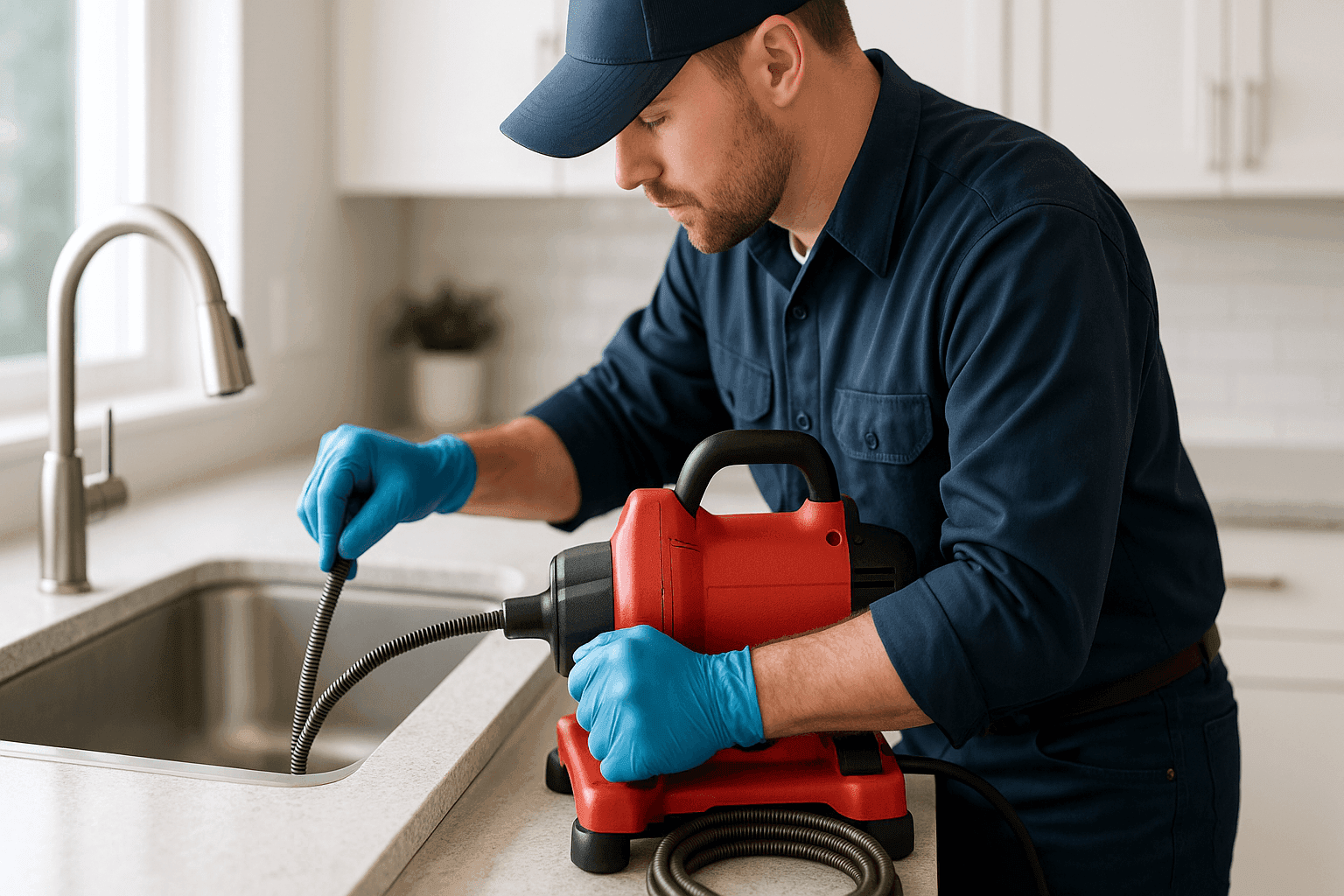
- Drain snakes/augers: Flexible cables that twist through pipes, breaking up stubborn clogs without damaging the line.
- Hydro-jetting equipment: High-pressure water blasts clean out years of buildup—think a power-wash for your pipes.
- Video inspection cameras: Small cameras snake through your plumbing, letting us see exactly what (and where) the problem is.
Safety First
Professionals follow strict safety guidelines, including:
- Wearing gloves, goggles, and protective gear
- Testing for gas leaks or sewer gases before starting work
- Using only eco-friendly, non-damaging cleaning methods—HLH Plumbing never uses chemicals that harm your family or pipes
The Process
- Assessment: We ask about symptoms and inspect drains.
- Camera inspection (if needed): We locate the blockage and check pipe condition.
- Mechanical cleaning: Using the right tools—no guesswork or unnecessary damage.
- Final testing: We ensure all drains flow freely before packing up.
When Should You Schedule Service?
Some clogs are minor—think hair in the shower or grease in the kitchen. But call a professional if:
- You’ve tried plunging or a hand snake and the problem comes right back
- Multiple drains are slow or backing up at once
- Water is overflowing, or you smell sewage
- You’re hosting guests soon (holidays are prime clog season!)
- After heavy rains or storms—outdoor drains and sewers can back up
Don’t wait for a full-blown emergency plumbing situation. Early action saves you time, stress, and money.
Before-and-After: What a Difference!

Before: Thick buildup and standing water.

After: Pipes clean, drains running smoothly.
A pro cleaning doesn’t just remove the clog—it restores your pipes to their best condition, with no damage and no harsh residues left behind.
Quick Safety Checklist 🛑
- Never mix cleaning chemicals—dangerous fumes can result
- Don’t pour boiling water into plastic pipes (it can warp or melt them)
- Wear gloves if you’re removing a drain cover
- If you smell rotten eggs (sulfur), leave the area—this can signal a gas leak
Your safety matters more than a quick fix.
DIY Fixes vs. Calling a Pro
DIY Can Help When:
- The clog is right at the surface (like food caught in a sink strainer)
- You can remove the drain cover and see the blockage
But Call HLH Plumbing If:
- You can’t spot the clog, or it keeps coming back
- Water is backing up in more than one place
- There’s a risk of damaging pipes or fixtures
Remember: a plunger is great for shallow clogs, but deep or stubborn blockages need professional tools—and a trained hand.
What to Expect When HLH Plumbing Arrives
We show up ready. Here’s what happens next:
- Listen & Inspect: We start by hearing your concerns and checking all affected drains.
- Camera check (if needed): Our small inspection camera pinpoints hidden trouble.
- Mechanical cleaning: Using safe, effective tools—no pipe damage, no mess left behind.
- Eco-friendly solutions: HLH Plumbing uses only methods that won’t harm your pipes, your family, or the environment.
- Final test: We run water through every cleaned drain to ensure all is clear.
We’ll also share tips for keeping drains trouble-free in the future.
Prevention and Maintenance Tips
- Use drain strainers to catch hair, food, and debris
- Avoid pouring grease down the kitchen sink—let it cool and throw it away instead
- Run hot water after each use to help clear residues
- Schedule annual drain inspections, especially in older homes or after big family gatherings
- Know your home’s plumbing layout—keep a list of shut-off valves handy for emergencies
Staying ahead of small clogs prevents larger, costly problems down the line.
Costs & Time Factors
Every job is different. But here’s what affects the cost and time needed:
- Type of clog: Kitchen grease, shower hair, or tree roots all require different tools and effort.
- Location: The deeper the blockage, the longer it takes to reach and clear.
- Access: Some pipes are easy to reach; others require moving appliances or working outside.
- Emergency vs. scheduled: After-hours or urgent calls may cost more but can prevent property damage.
Most professional cleanings take between 30 minutes and 2 hours, but complex or severe blockages may need a half-day or more.
When It’s an Emergency 🚨
Not all clogs can wait. Call HLH Plumbing right away if you notice:
- Water flooding floors or ceilings
- Sewage smells or actual sewage backing up
- All drains are completely blocked
- You’ve tried DIY fixes and made it worse
Quick action limits water damage and keeps your home safe.
FAQ
Q: Do you use harsh chemicals?
A: Never. HLH Plumbing relies on mechanical and eco-friendly cleaning methods that protect your plumbing and your health.
Q: How often should drains be cleaned?
A: Most homes benefit from annual drain inspections and cleaning, especially if you notice recurring slow drains or have large gatherings.
Q: Will my pipes be damaged?
A: No. We use the right tools for each job, avoiding methods that could harm pipes or fixtures.
Q: Can I prevent clogs myself?
A: Regular strainers and mindful disposal habits help, but professional cleaning removes hidden buildup you can’t reach.
Local & Seasonal Considerations
- Holidays: More guests mean more showers, extra cooking, and extra strain on kitchen and bathroom plumbing near you. Schedule maintenance before big gatherings to avoid surprises.
- Storms: Heavy rain can overwhelm outdoor drains and cause sewer backups. After a major storm, watch for slow drains and call if you notice changes.
- Winter: Cold weather can thicken grease and cause pipes to contract, increasing clog risk. Don’t ignore slow drains during the colder months.
HLH Plumbing understands the unique challenges local homes face each season, and we’re always ready for emergency plumbing needs—no matter the weather.
See the Difference With HLH Plumbing
A slow drain today can become tomorrow’s flood. Don’t let a minor clog ruin your peace of mind—or your home.
Call HLH Plumbing now — or reach us anytime at 877-477-7921 .