How Much Does Leak Repair Cost? Pricing Guide for Homeowners
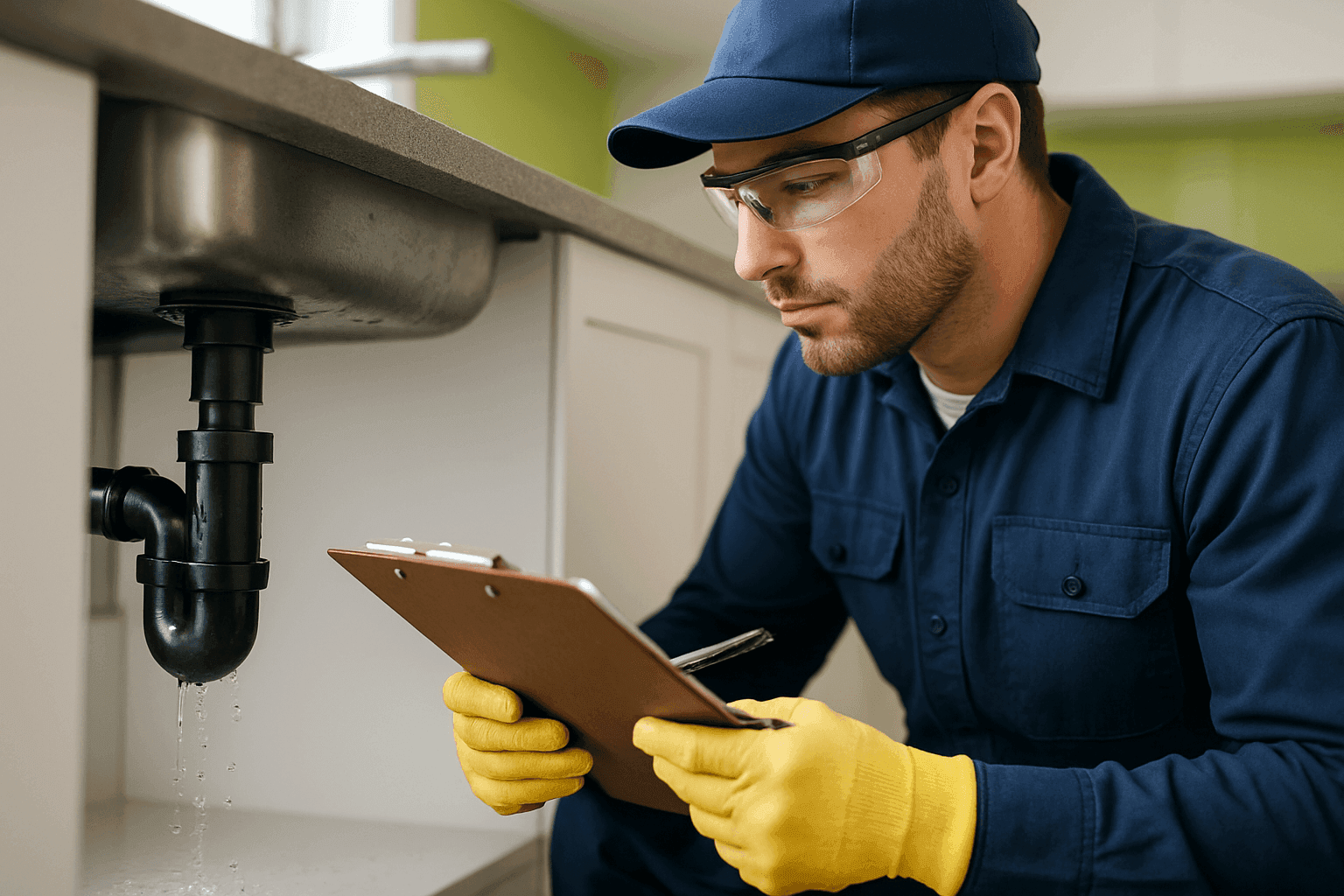
Picture this: It’s late. You hear the dreaded drip-drip under your kitchen sink. Maybe it’s a gurgle in the wall or a puddle creeping over your bathroom tiles. No one expects a plumbing leak, but when it happens, panic can hit hard.
You need answers fast. How much will this cost? Should you fix it yourself or call for emergency plumbing? HLH Plumbing is here to guide you. We'll break down the real factors that shape leak repair pricing, so you can budget wisely and keep your home dry.
Leak Repair Cost Factors 💧
Every leak is a different beast. Here’s what really drives the price up or down:
- Pipe Location: Is the leak easy to reach under the sink, or is it hidden behind walls or under the slab? The more buried it is, the more time and labor it takes to fix.
- Severity: A slow drip is one thing. A pipe spraying water is another. Bigger leaks can cause more damage, require urgent attention, and bump up the bill.
- Access: Are there cabinets, tile, or flooring in the way? If a plumber has to cut through drywall or flooring, expect higher costs due to extra repairs.
- Parts and Materials: PVC pipes, copper, PEX, or specialized fittings all come with different price tags. Some fixes are as simple as a new washer, others need full pipe replacement.
- Emergency Fees: Nights, weekends, and holidays often mean higher rates. Emergency plumbing services are available 24/7, but you might pay a premium for after-hours peace of mind.
Think of a leak like a leaky roof. A quick patch in the open is cheaper than tearing up half the ceiling to find the source.
Typical Price Ranges
You want numbers, not guesswork. Here’s what homeowners in most areas can expect for leak repair:
Minor Leaks
- Dripping faucets
- Small pinhole pipe leaks
- Loose fittings under sinks
Price Range: $150–$350
These are usually quick jobs, especially if the leak is obvious and parts are standard.
Moderate Leaks
- Leaky pipes inside walls
- Toilet base leaks
- Water heater connections
Price Range: $350–$800
Repairs may involve cutting drywall, replacing sections of pipe, or dealing with water damage.
Major Leaks
- Burst pipes
- Slab leaks
- Extensive water damage
Price Range: $800–$2,500+
Complex jobs often require pipe rerouting, concrete work, or large-scale restoration.
Note: Pricing can vary based on local codes, material availability, and home design. Always ask for an upfront estimate before work begins.
Saving Money on Leak Repairs
Nobody likes nasty surprises on a bill. Here’s how to keep leak costs manageable:
- Spot Leaks Early: Walk through your home every few months. Look under sinks, behind toilets, and around appliances for dampness or mold.
- Listen for Clues: Unexplained hissing, dripping, or running water sounds can be early warnings.
- Schedule Preventative Maintenance: An annual plumbing checkup can catch small problems before they turn into big leaks.
- Fix Minor Drips Right Away: Even a tiny drip can balloon into a major headache. Quick fixes save cash and stress.
- Know Where Your Main Shutoff Is: If a pipe bursts, turning off the water fast can limit damage (and repair costs).
The U.S. Environmental Protection Agency recommends addressing leaks promptly to save water and prevent structural damage.
HLH Plumbing offers clear, upfront pricing and no hidden fees. Our licensed professionals will walk you through the options, so you’re never in the dark about costs.
When Is Leak Repair an Emergency?
Not every leak can wait until morning. Here’s when you should treat it like a five-alarm fire:
- Water is gushing uncontrollably.
- You can’t access the main shutoff.
- There’s risk of flooding electrical outlets.
- The leak is near gas appliances or the boiler.
- Sewage is backing up or water smells foul.
In these cases, call for emergency plumbing right away. Fast action can prevent thousands in additional damage and keep your family safe.
Leak Repair Safety Checklist
When you spot a leak, follow these steps before the plumber arrives:
- Turn off the water at the main shutoff.
- Move valuables away from the leak.
- Unplug electrical devices near water.
- Mop up standing water to prevent slips.
- Don’t try to open walls or floors unless it’s safe.
Safety first—always. If you’re uncertain, it’s better to wait for a pro.
DIY Leak Repair vs. Calling a Pro
YouTube makes everything look easy. But some leaks are wolves in sheep’s clothing.
DIY Is Okay For:
- Tightening loose faucet connections.
- Replacing worn washers or supply hoses.
- Applying plumber’s tape to threaded joints.
Call HLH Plumbing If:
- You can’t locate the source.
- The leak is inside a wall, ceiling, or floor.
- Pipes are burst or spraying.
- Water heater or gas lines are involved.
- There’s any sign of mold or sewage.
Water can travel in sneaky ways. A “small” leak upstairs might be the tip of a very wet iceberg.
What Pros Do On Arrival
When HLH Plumbing shows up, here’s how we tackle the job:
- Assessment: We ask questions, inspect the area, and shut off water if needed.
- Leak Detection: Special tools help pinpoint hidden leaks, even behind walls or under concrete.
- Repair Plan: We explain the problem, discuss your options, and provide an honest estimate before starting.
- Repair: Pipes are fixed, replaced, or rerouted as needed. Fixtures, fittings, or valves might be swapped out.
- Testing: We check for leaks and restore water flow safely.
- Clean-Up: We leave your home as tidy as we found it.
Our plumbers are licensed and follow local plumbing codes for every repair.
Local and Seasonal Considerations
Weather can be a sneaky culprit. In winter, frozen pipes are a big risk. Cold snaps cause pipes to contract and crack, leading to leaks when things thaw out. Summer brings its own problems—roots seeking water can invade sewer lines, causing slow leaks underground.
If you live in an older home, pipes made from galvanized steel or outdated materials are more likely to spring leaks. Building codes in your area may require upgrades when repairs are made. The International Plumbing Code and your local municipality provide guidelines that reputable plumbers follow.
FAQ: Leak Repair Costs
How do I know if my leak is minor or major?
Minor leaks are slow drips or damp spots around fixtures. Major leaks involve water flowing rapidly, flooding, or causing structural damage.
Can I get a quote over the phone?
A ballpark estimate is possible, but an in-person inspection is needed for accuracy. Each home and situation is unique.
Will my insurance cover leak repairs?
Insurance may cover sudden, accidental water damage but not repairs for old, neglected pipes. Check your policy for details.
How soon should I fix a leak?
Immediately! Even small leaks can cause big trouble if ignored. Mold, rot, and higher water bills add up fast.
Prevention & Maintenance Tips
An ounce of prevention beats a gallon of water damage. Try these steps:
- Check under sinks and around appliances monthly.
- Insulate pipes in cold areas.
- Replace aged supply hoses every few years.
- Schedule annual plumbing inspections, especially in older homes.
- Install water leak detectors in risk areas.
Early action saves money, time, and headaches.
Don’t let a little drip turn into a disaster. For clear answers and honest pricing on leak repairs, Call HLH Plumbing now — or reach us anytime at 877-477-7921 .