The Ultimate Homeowner’s Guide to Kitchen Plumbing
Is your kitchen plumbing acting up right when you need it most? You’re not alone. From a faucet that won’t quit dripping to stubborn clogs in the sink, kitchen plumbing problems always seem to strike at the worst time.
At HLH Plumbing, we know the stress a malfunctioning kitchen causes. Our crew has seen it all—late-night leaks, mystery smells, and dishwashers that flood the floor. We’re here to help you handle the most common problems with confidence and know when it’s time to call in emergency plumbing help.
Most Common Kitchen Plumbing Problems
Even a well-maintained home faces plumbing hiccups in the kitchen. Here’s what we see most often:
- Leaky Faucets: That steady drip isn’t just annoying—it wastes water and can bump up your bill.
- Clogged Sinks: Food scraps, grease, and soap scum gang up in the pipes, slowing or stopping flow.
- Jammed Garbage Disposal: A spoon or too many potato peels can grind your routine to a halt.
- Dishwasher Troubles: Backed-up drains or standing water under the appliance spell trouble.
- Low Water Pressure: Hard water buildup clogs aerators and lines, making rinsing dishes a chore.
- Under-Sink Leaks: Loose fittings or worn pipes turn cabinets into swamps.
Kitchen plumbing is a bit like a relay race. If one piece falters, the whole flow breaks down.
Quick Kitchen Plumbing Safety Checklist 🛑
Before you roll up your sleeves or reach for a wrench, keep these safety points in mind:
- Turn off the water: Always shut off supply valves before repairs.
- Unplug appliances: Cut power to the dishwasher or garbage disposal at the breaker.
- Wear gloves: Protect your hands from sharp edges and cleaning chemicals.
- Have a bucket handy: Even minor repairs can release a surprising amount of water.
- Know your shutoff: Locate your home’s main water shutoff valve for true emergencies.
Following these steps keeps you safe and limits the mess.
DIY or Call a Pro? How to Decide
Some kitchen plumbing problems are a quick fix. Others? Not so much. Here’s how to tell:
When DIY Makes Sense
- Minor clogs in the sink or disposal (try a plunger or baking soda + vinegar)
- Replacing faucet aerators or tightening loose handles
- Cleaning or resetting garbage disposals (with power off!)
But if you’re facing leaks you can’t trace, persistent drain blockages, or issues involving gas lines or water heaters, it’s time to call in HLH Plumbing. Attempting complex fixes without the right tools or experience can turn a small hassle into a full-blown emergency plumbing situation.
Step-by-Step: Unclogging a Kitchen Sink
- Try a plunger: Place over the drain, fill the sink with enough water to cover the plunger, and give it several firm pumps.
- Use a natural cleaner: Pour half a cup of baking soda followed by half a cup of vinegar. Cover for 10 minutes. Flush with hot water.
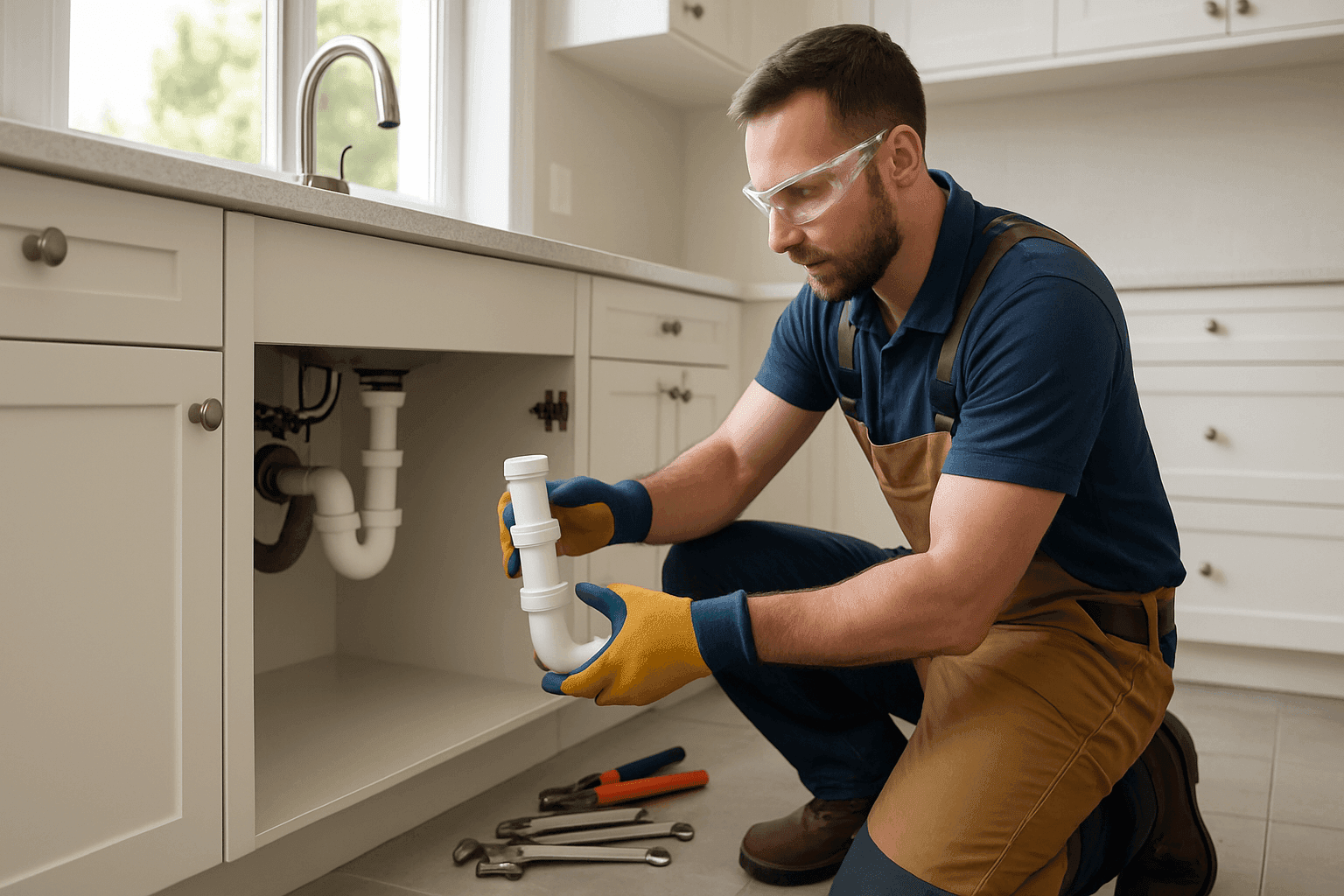
- Check the P-trap: Place a bucket below, unscrew the trap, and clean out debris. Reattach tightly.
If water still won’t drain, it’s time for professional drain cleaning.
What HLH Plumbing Pros Do on Arrival
When you call HLH Plumbing, you get more than just a quick fix. Here’s what happens:
- Assessment: We start with a thorough inspection—checking under sinks, behind appliances, and in the lines.
- Leak detection: Using moisture meters and sometimes cameras to find hidden leaks.
- Code compliance: Repairs and installations follow local plumbing codes and manufacturer guidelines for appliance compatibility.
- Water hardness testing: Hard water is common in many local areas, so we check for scale and offer filtration solutions if needed.
- Full clean-up: No mess left behind.
We’ve tackled everything from century-old pipes to the latest touchless faucets—and our experience with complex kitchen repairs speaks for itself.
Preventing Future Clogs and Leaks
A trouble-free kitchen starts with good habits. Here’s how to keep things running smooth:
- Don’t pour fats or cooking oils down the drain—they solidify and cause clogs.
- Use sink strainers to catch food scraps and debris.
- Run cold water when using the garbage disposal to help solidify grease and move it along.
- Clean faucet aerators every few months to prevent hard water buildup.
- Check under-sink pipes for moisture or corrosion monthly.
- Flush drains with hot water weekly to keep pipes clear.
Kitchen Plumbing Maintenance Checklist
- Inspect visible pipes and hoses for leaks or wear.
- Clean out sink traps (P-traps) every 3–6 months.
- Test your garbage disposal by running it with ice cubes and citrus peels.
- Check faucet function and water pressure.
- Look for signs of water around dishwasher and under the sink.
- Review your water filtration system (if installed) and change filters as recommended.
A little prevention saves a lot of headache—and money.
Kitchen Plumbing Costs & Time Factors
Plumbing jobs can range from a 10-minute fix to a multi-hour project. Here’s what can affect the scope:
- Severity of the problem: Minor clogs are fast; leaks inside walls or under floors mean more work.
- Accessibility: Easy-to-reach pipes are quicker (and less costly) to repair.
- Type of appliance: High-end or older appliances may need special parts or skills.
- Parts availability: Some faucet or disposal models require manufacturer-specific components.
HLH Plumbing always explains the situation before we start, so there are no surprises.
When It’s an Emergency 🚨
Some kitchen plumbing issues can’t wait. Call emergency plumbing services if you notice:
- Water spraying or flooding: Shut off the main valve and call right away.
- Sewage smells: This can signal a sewer line blockage or break.
- No water flow: Could be a mainline issue or major leak.
- Gas smells near appliances: Leave the house and call for help immediately.
Serious leaks or gas issues are never DIY jobs.
Kitchen Plumbing FAQ
Why does my kitchen sink keep clogging?
Usually, it’s a mix of grease, food particles, and soap scum. Regular cleaning and avoiding certain items down the drain (like coffee grounds and cooking oils) can help.
Is hard water bad for kitchen plumbing?
Yes. Hard water leaves mineral deposits inside pipes and appliances, reducing efficiency and lifespan. HLH Plumbing can recommend water filtration systems to protect your plumbing.
Can I install a new faucet or disposal myself?
Some handy homeowners can, but you’ll need to ensure proper fit, tight connections, and compliance with local codes. When in doubt, let a professional handle it.
My dishwasher backs up into the sink. Why?
Usually, there’s a clog in the shared drain line or an issue with the air gap. If simple cleaning doesn’t help, call for a proper inspection.
Local & Seasonal Plumbing Considerations
If you live in a region with hard water, mineral buildup is a fact of life. Faucets and appliances wear out faster. Regular descaling and choosing compatible fixtures—especially for dishwashers and water heaters—can save you from unexpected repairs.
In colder months, pipes under kitchen sinks—especially those on exterior walls—are at risk of freezing. Insulate them or leave cabinet doors open during hard freezes to let warm air circulate.
For homeowners with older plumbing, consider periodic pipe inspections and repiping as needed. HLH Plumbing’s experience with a variety of systems means we’ve seen—and fixed—every possible scenario.
Kitchen Plumbing: Handle the Basics, Know When to Call
A well-functioning kitchen is the heart of the home. While small fixes are within reach for many homeowners, some issues need a professional’s touch—especially when water or gas lines are involved.
For any kitchen plumbing problem—big or small—HLH Plumbing is always ready to help. With our experience, attention to detail, and commitment to safe, code-compliant work, your kitchen is in good hands.
Call HLH Plumbing now — or reach us anytime at 877-477-7921 .