How to Identify and Fix Common Water Pressure Issues at Home
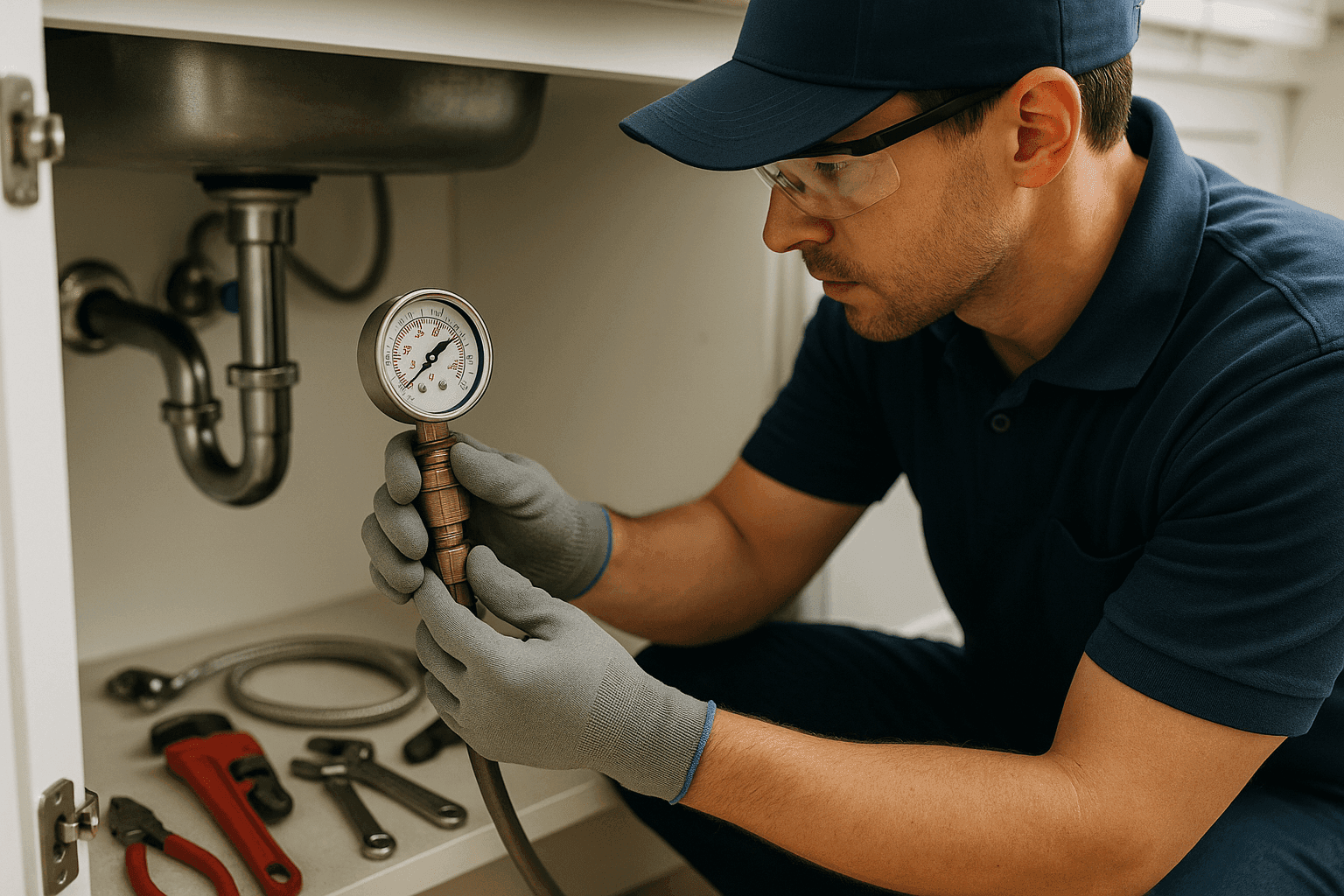
Is your morning shower more of a trickle than a torrent? Do faucets cough and sputter, or does the kitchen sink seem to take forever to fill a pot? Water pressure issues can sneak up on any homeowner or small business owner, turning everyday routines upside down.
At HLH Plumbing, we know how frustrating—sometimes even alarming—these problems can feel. Our licensed team handles emergency plumbing calls every day, and we’re here to help you understand what’s happening behind your walls and pipes.
Common Water Pressure Problems: What’s Going On?
Water pressure issues don’t all look the same. Sometimes you notice a gentle drizzle instead of a strong stream. Other times, the flow comes and goes, or you hear pipes rattling like a freight train. Here are the most common symptoms:
- Weak or inconsistent flow from faucets or showers
- Sudden drops in pressure, especially when running multiple fixtures
- Noisy pipes—whistling, banging, or vibrating
- Toilet tanks refilling slowly
- Appliances like dishwashers or washing machines taking longer cycles
Think of your plumbing system as a network of arteries. If something clogs or leaks, the pressure drops—just like a kink in a garden hose.
Typical Causes
Most water pressure problems boil down to a handful of culprits:
- Pipe corrosion or buildup: Over time, minerals or rust can narrow pipes, choking off flow.
- Leaks: Even a small drip behind a wall can rob pressure throughout the house.
- Faulty pressure regulator: These devices keep water pressure balanced. If one fails, you might get a trickle—or a blast.
- Municipal supply fluctuations: Sometimes the problem starts outside your home, with the main water supply.
- Partially closed shutoff valves: Accidentally bumped or not fully open, these valves can restrict flow.
Quick Safety Checklist Before You Start 🛑
Before you touch a wrench or poke around under the sink, take a moment for safety:
- Turn off power to water heaters or pumps if you’re working nearby.
- Check for leaks or water on the floor—slippery surfaces can cause falls.
- Wear gloves to protect from sharp edges and hot water.
- Know where your main shutoff valve is in case you need to stop water fast.
- Don’t touch electrical outlets or appliances with wet hands.
If you ever see sparks, smell gas, or find standing water near electrical panels, stop and call an emergency plumbing professional immediately.
DIY Diagnosis: What You Can Check Yourself
Some water pressure problems are simple to spot. Here’s how you can play detective—no special tools required:
1. Check All Fixtures
Test every faucet, shower, and outdoor spigot. Is the problem everywhere, or just in one room? If it’s just one, the issue may be local—a clogged aerator or a single valve.
2. Inspect Aerators and Showerheads
Unscrew faucet aerators and showerheads. Mineral deposits can build up inside, blocking flow. Soak them in vinegar for an hour, scrub with an old toothbrush, and reinstall.
3. Look for Visible Leaks
Check under sinks, behind toilets, and along basement pipes for drips or puddles. Even a slow leak can sap pressure.
4. Confirm Main Shutoff and Pressure Regulator Position
Make sure the main shutoff valve is fully open. If your home has a pressure regulator (usually a bell-shaped device near the main), it should be set between 40–60 psi. If you have a pressure gauge, attach it to an outdoor spigot to check.
5. Ask Neighbors
If everyone on your block has the same problem, it’s likely a municipal supply issue. Contact your water provider for updates.
DIY Fixes: What’s Safe to Try
If you’ve pinpointed a minor issue, here are some safe steps to try:
- Clean aerators and showerheads as described above.
- Open all valves fully. Sometimes, a partially closed valve is the culprit.
- Replace washers or cartridges in single-lever faucets if you’re comfortable with basic repairs.
- Flush your water heater (following manufacturer instructions) to remove sediment buildup.
If you find corroded pipes, persistent leaks, or can’t locate the pressure regulator—pause. These repairs are best left to licensed professionals.
When to Call a Professional Plumber
Some water pressure problems go deeper than surface fixes. Here’s when it’s time to call HLH Plumbing:
- Multiple fixtures are affected and DIY steps didn’t help.
- You find leaks inside walls, ceilings, or floors.
- Your pressure regulator is broken or missing.
- Pipes are corroded, noisy, or visibly damaged.
- You’re unsure about gas lines or boiler connections.
- Water pressure drops suddenly and doesn’t recover.
Our team uses specialized tools to diagnose hidden leaks and pressure issues, ensuring repairs are thorough and code-compliant.
What HLH Plumbing Does On Arrival
When you call in HLH Plumbing for emergency plumbing help, here’s what you can expect:
- Comprehensive inspection: We check every affected fixture, test pressure at multiple points, and look for leaks or blockages.
- Advanced leak detection: Using acoustic sensors and thermal imaging, we pinpoint hidden leaks without tearing up walls unnecessarily.
- Pressure regulator testing: We verify your system’s pressure and adjust or replace the regulator if needed.
- Pipe condition assessment: We inspect for corrosion, mineral buildup, or damage—sometimes using a camera for sewer or main lines.
- Clear recommendations: You’ll get a straightforward explanation of what’s wrong, what needs fixing, and the safest way to proceed.
All repairs are completed to the latest plumbing codes and safety standards, following guidance from organizations like the International Association of Plumbing and Mechanical Officials (IAPMO).
Prevention & Maintenance: Keeping Water Flowing Smoothly 🚿
A little routine care can keep pressure problems at bay. Here’s how:
- Flush water heaters yearly to prevent sediment buildup.
- Clean faucet aerators every few months.
- Inspect visible pipes for signs of corrosion or leaks.
- Schedule annual plumbing checkups for older homes or buildings.
- Install a water filtration system if you have hard water—this reduces mineral buildup.
- Test your pressure regulator annually or after any major plumbing work.
Staying proactive helps you spot minor issues before they become emergencies.
Costs & Time Factors: What to Expect
Water pressure repairs range widely in complexity—and cost. Here’s what typically influences the bill:
- Simple fixes (cleaning aerators, adjusting valves): Minimal cost, often under an hour.
- Replacing a pressure regulator: Usually a few hours, plus parts and labor.
- Leak repairs: Depends on location—visible leaks are faster, hidden leaks may require wall or floor access.
- Pipe replacement or repiping: Larger jobs can take a day or more, especially in older homes with extensive corrosion.
- Municipal supply issues: No cost to you, but may take time for city crews to resolve.
Remember, delaying repairs can lead to higher costs down the road, especially if leaks cause water damage.
When It’s an Emergency
Some water pressure problems can’t wait. Call HLH Plumbing for emergency plumbing help if:
- Water pressure drops to zero suddenly
- You see flooding, standing water, or rapid leaks
- There’s a risk of electrical hazards from leaking water
- You suspect a burst pipe or main line break
- You smell gas or suspect a gas line issue
Fast response is crucial to protect your property and safety.
FAQ: Water Pressure Worries
Why does my water pressure change when someone flushes the toilet?
This usually means your system isn’t balanced, or there’s a restriction somewhere. It could be due to old pipes, a faulty pressure regulator, or multiple fixtures drawing from the same supply line.
Can high water pressure cause damage?
Yes—excessive pressure can strain pipes, cause leaks, and even damage appliances. The recommended range is 40–60 psi for most homes.
How often should I check my water pressure?
Test it at least once a year, or any time you notice changes in flow or noise. Regular checks help catch issues early.
Is low water pressure always a plumbing problem?
Not always. Sometimes, the issue is with the municipal supply. If your neighbors have the same problem, call your water provider first.
Special Considerations for Water Pressure Repairs
- Older homes may have galvanized pipes prone to corrosion—these often require repiping.
- Well systems need regular pump and pressure tank maintenance.
- Commercial buildings have more complex plumbing networks; professional inspection is recommended.
- Backflow prevention devices must be tested regularly to ensure safe, clean water.
Always follow local plumbing codes and safety guidelines. The National Standard Plumbing Code and International Plumbing Code are key references for safe installations and repairs.
Call HLH Plumbing now — or reach us anytime at 877-477-7921 .