How to Winterize Your Home Plumbing to Prevent Costly Damage
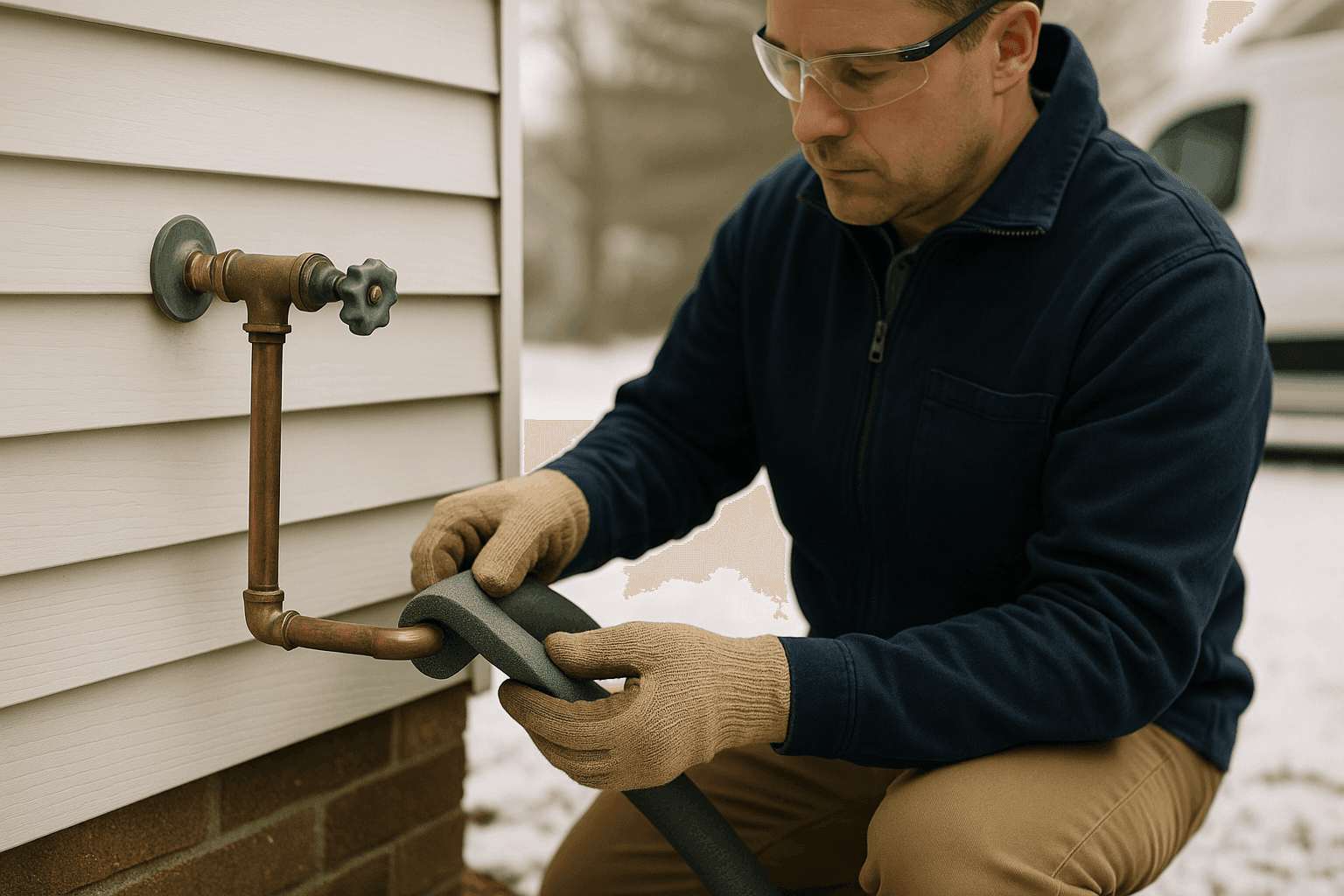
Winter can sneak up on you. One day, you’re sipping coffee in a cozy kitchen—the next, there’s a burst pipe and water everywhere. At HLH Plumbing, we know how stressful cold-weather plumbing emergencies can be. That’s why we’re here: to help you keep your pipes safe, your water running, and your peace of mind intact.
You don’t have to be a plumbing expert to protect your home or small business. With the right steps, you can avoid the headaches and high costs that come with frozen pipes and leaks. Let’s break down exactly how to winterize your plumbing and stay one step ahead of the cold.
Why Winterizing Your Plumbing Matters ❄️
When temperatures drop, water inside your pipes can freeze. As water freezes, it expands—just like a soda can left in the freezer. This pressure can crack pipes, loosen joints, and cause leaks or even flooding. According to the International Association of Certified Home Inspectors, a single burst pipe can spill hundreds of gallons of water in just a few hours. That’s not just a mess—it’s a major repair bill and days of disruption.
Common winter plumbing problems include:
- Frozen or burst pipes (especially in unheated spaces)
- Damaged outdoor faucets and hoses
- Water heater strain and failure
- Clogged drains from ice or debris
- Leaks in hidden or hard-to-reach areas
Homes and small businesses are both at risk. If you’ve ever had water pouring from a ceiling or wall, you know how quickly things can go from calm to chaotic. The good news? Most winter plumbing disasters are preventable.
Essential Winterization Steps
Ready to get ahead of the freeze? Here’s your step-by-step guide to winterizing your plumbing system.
1. Insulate Exposed Pipes
Pipes in basements, crawl spaces, garages, and along exterior walls are most vulnerable. Think of insulation as a warm coat for your plumbing. Use foam pipe sleeves, fiberglass wrap, or even heat tape (UL-listed only, for safety). Focus on:
- Water supply lines near exterior walls
- Pipes under sinks or in cabinets
- Attic and basement plumbing
Check for gaps or cracks around pipes where cold air sneaks in. Seal with caulk or expanding foam.
2. Drain and Disconnect Outdoor Faucets
Outdoor hose bibs and irrigation lines are like open doors for winter’s chill. Here’s what to do:
- Disconnect and drain garden hoses
- Shut off and drain outdoor faucets from the inside shut-off valve (if available)
- Install insulated covers on outdoor spigots
If you have a sprinkler system, follow manufacturer guidelines to blow out and drain the lines before the first hard freeze.
3. Maintain Water Heater Health
Your water heater works overtime in winter. Flush sediment from the tank (per manufacturer instructions) to improve efficiency and extend its life. Set the temperature to 120°F—hot enough for comfort, but not so high it risks scalding or overwork.
4. Watch Water Pressure
Sudden drops in water pressure can signal a frozen or blocked pipe. If you notice a trickle instead of a stream, act fast to prevent a pipe burst.
5. Check Sump Pumps and Drains
If you have a sump pump, test it before winter storms hit. Pour a bucket of water into the pit to make sure it cycles on and off. Clear debris from floor drains and gutters to keep melting snow and rain flowing away from your foundation.
6. Keep Heat Circulating
Open cabinet doors under sinks to let warm air reach hidden pipes. If you leave for more than a day, set your thermostat no lower than 55°F.
DIY Tips vs. When to Call a Professional
Some winterization steps are perfect for a handy homeowner or business owner. Others are best left to licensed plumbers—especially when safety or hidden damage is a concern.
What You Can Tackle
- Installing pipe insulation and faucet covers
- Draining hoses and outdoor faucets
- Checking for drafts and sealing gaps
- Flushing the water heater (if you’re comfortable with the process)
When to Call HLH Plumbing
- If you find old, corroded, or leaking pipes
- If you’re unsure about your home’s shut-off valves or water heater
- For gas line winterization or repairs (gas safety is no DIY project)
- If you suspect a frozen pipe but can’t locate it
- For backflow testing, sump pump repairs, or complex plumbing layouts
If you hit a snag, don’t force it. An emergency plumbing call now can save thousands in repairs later.
Seasonal Maintenance Checklist ✅
Get ready for winter with this quick, actionable list:
- [ ] Insulate exposed pipes in unheated areas
- [ ] Disconnect and drain garden hoses
- [ ] Shut off and drain outdoor faucets
- [ ] Install faucet covers on exterior spigots
- [ ] Test and clean your sump pump
- [ ] Flush the water heater and check temperature settings
- [ ] Open cabinets under sinks on cold nights
- [ ] Seal cracks and gaps near plumbing
- [ ] Know where your main water shut-off valve is
- [ ] Schedule a professional inspection if you’re unsure
A little preparation now means fewer surprises when the temperature drops.
Emergency Preparedness: What to Do If Pipes Freeze or Burst
Even with the best planning, winter can throw a curveball. If you turn on a faucet and nothing comes out—or you spot a bulging pipe—here’s what to do:
- Shut off the main water valve immediately to prevent flooding.
- Open all faucets to relieve pressure and drain the system.
- Apply gentle heat (like a hair dryer or heating pad) to the frozen section—never use an open flame.
- Check for leaks as the ice melts. Water stains, damp spots, or hissing sounds are red flags.
- Call HLH Plumbing for emergency plumbing help if you can’t locate the freeze, spot a leak, or the pipe bursts.
Remember, time is crucial. Water damage spreads quickly, and mold can set in within 24–48 hours. Keep our number handy for 24/7 emergency response.
DIY Tips vs. When to Call a Professional
It’s tempting to handle everything yourself, but some situations call for a professional touch. Here’s how to know the difference:
DIY-Friendly:
- Adding pipe insulation
- Draining hoses and outdoor faucets
- Adjusting your thermostat
Call HLH Plumbing If:
- You find leaks, corrosion, or water stains
- Pipes are already frozen or burst
- You need gas line or sewer line winterization
- Your water heater isn’t heating properly
Our team is trained to handle emergencies safely, following plumbing codes and safety standards from organizations like the International Code Council and the Occupational Safety and Health Administration (OSHA).
Seasonal Maintenance Checklist
Stay ahead of winter with this go-to list:
- Insulate pipes in all unheated spaces
- Drain and store outdoor hoses
- Shut off and drain outdoor faucets
- Add covers to exterior spigots
- Test sump pumps and clear drains
- Flush and inspect water heaters
- Open cabinets under sinks on cold nights
- Seal drafts around pipes
- Locate your main shut-off valve
- Book a plumbing inspection if needed
Checking these off now means fewer headaches later.
Emergency Preparedness: What If Pipes Freeze or Burst?
Sometimes, despite your best efforts, things go sideways. If you suspect a frozen or burst pipe:
- Shut off the main water supply fast.
- Open faucets to relieve pressure.
- Gently warm frozen pipes with a hair dryer—never an open flame.
- Watch for leaks as ice thaws.
- Call HLH Plumbing for 24/7 emergency plumbing service.
Quick action can mean the difference between a minor repair and a major disaster.
Frequently Asked Questions
How can I tell if my pipes are frozen?
If you turn on a faucet and only a trickle comes out—or nothing at all—a pipe may be frozen. Frost on the outside of a pipe, or strange noises in the walls, are also warning signs.
Is pipe insulation enough to prevent freezing?
Insulation is a great first step, but in extreme cold, you may need to add heat tape or increase indoor heating. Always check vulnerable spots and follow building codes for insulation thickness.
Should I leave faucets dripping overnight?
Letting a faucet drip can help prevent freezing by keeping water moving. Focus on pipes along exterior walls or in unheated spaces.
What temperature should I set my thermostat in winter?
Never set your thermostat below 55°F, even if you’re away. Lower temperatures put pipes at risk.
Special Considerations for Winter Plumbing
Every home and business is unique. Older plumbing, complicated layouts, and additions can create hidden risks. If you’re unsure about your system—or if you’ve had winter plumbing issues before—consider a professional inspection. HLH Plumbing offers preventative maintenance, backflow testing, and emergency plumbing services designed for all types of properties.
Remember, gas lines and water heaters require special care. Never attempt repairs on these systems without proper training. Safety first, always.
Call HLH Plumbing now — or reach us anytime at 877-477-7921 . Stay warm, stay safe, and let us help protect your plumbing all winter long.