How to Unclog a Toilet: DIY Steps and When to Call a Pro
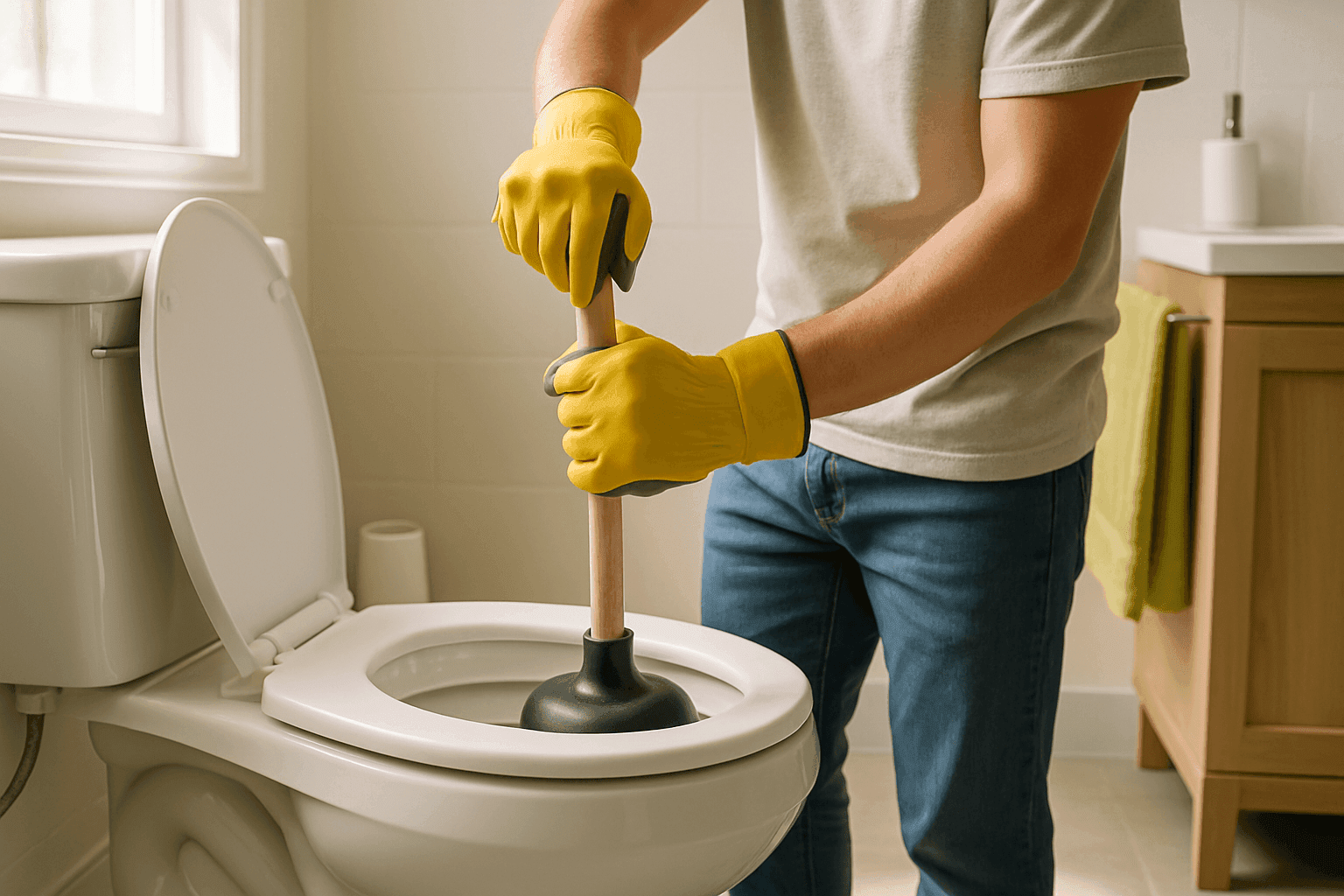
Toilets have a knack for picking the worst possible moment to clog. Maybe it’s before guests arrive, or in the middle of the night when you’d rather be anywhere else than tackling a plumbing problem. At HLH Plumbing, we know the hassle—and the panic—that comes with a stubborn clog. That’s why we respond fast, using proven methods that protect your pipes and home.
You don’t have to feel helpless. With a few simple tools and the right know-how, you can handle most clogs yourself. But you’ll also learn when it’s safer (and much less stressful) to call in emergency plumbing help.
Common Causes of Toilet Clogs 🚽
Clogs aren’t just annoying—they’re a sign something’s not right in your bathroom plumbing. Most of the time, it’s not your fault. Here’s what usually trips up even the best-maintained toilets:
- Too much toilet paper: It seems harmless, but large wads can bunch up and block the trap.
- Non-flushable items: Wipes, paper towels, feminine products, and even cotton swabs can jam pipes.
- Low-flow toilets: Older or water-saving models sometimes lack the oomph to clear waste.
- Sewer line issues: Tree roots, cracked pipes, and buildup in old sewer lines (a real problem in many local neighborhoods) can slow the flow.
- Hard water buildup: Over time, mineral deposits narrow the pipe’s opening.
Think of your toilet like a winding mountain road. A single wrong turn—or object—can cause a traffic jam.
Essential Tools and Supplies
Every household should have a “plumbing first aid kit.” Here’s what you’ll need for most toilet clogs:
- Plunger: A flange plunger (with a rubber flap) seals better for toilets than a cup plunger.
- Toilet auger: This flexible, crank-driven tool snakes deeper into the drain.
- Rubber gloves: Not glamorous, but they’ll save your hands.
- Old towels/newspapers: For soaking up spills and protecting your floor.
- Plastic bucket: Handy for bailing excess water.
- Enzyme-based drain cleaner: Safer for pipes than harsh chemicals. Look for products recommended by the Environmental Protection Agency (EPA).
Remember: The right tool makes the job easier—and safer.
Step-by-Step DIY Unclogging
1. Stop the Overflow
If the water is rising, take a breath. Quickly remove the tank lid and push the flapper down to stop water from entering the bowl. Turn off the water valve behind the toilet if needed.
2. Grab the Plunger
- Make sure there’s enough water in the bowl to cover the plunger.
- Place the plunger over the drain hole, making a tight seal.
- Push down gently to release air, then pump vigorously up and down for 15–20 seconds.
- Lift the plunger. If water drains, you’ve won. If not, repeat.
3. Try the Toilet Auger
- Insert the auger tip into the drain until you feel resistance.
- Turn the handle clockwise, pushing gently.
- When the blockage clears—or the auger stops—pull it out carefully.
- Flush to check if the flow returns.
4. Use Safe Chemicals (As a Last Resort)
- Only use enzyme-based drain cleaners. Avoid caustic chemicals—they can damage pipes and septic systems.
- Follow label instructions and never mix products.
5. Clean Up
Wipe down surfaces, wash your hands, and give yourself a pat on the back.
What Not to Flush
Some things just weren’t meant for the journey down your toilet. Here’s a quick “no-go” list:
- Wipes (even if labeled ‘flushable’)
- Paper towels and napkins
- Feminine hygiene products
- Cat litter
- Dental floss
- Hair
- Food scraps
- Kids’ toys (it happens more than you’d think!)
If it’s not human waste or toilet paper, keep it out of the bowl.
Signs You Need a Pro
Sometimes, the clog fights back. Here’s when to put down the plunger and call HLH Plumbing for emergency plumbing:
- Water backs up in other drains (like the tub or sink) when you flush.
- You hear gurgling in nearby fixtures.
- There’s sewage smell or visible waste.
- The toilet overflows more than once.
- DIY efforts haven’t worked after several tries.
These signs can mean a deep blockage or a bigger issue, like tree roots in the main line. Old sewer lines—common in many local neighborhoods—are especially vulnerable.
Troubleshooting Flowchart
Is the water rising and about to overflow?
    |
    |-- YES: Quickly shut off water supply. Remove tank lid and close flapper.
    |      |
    |      |-- Did water stop rising?
    |          |-- YES: Proceed to plunging.
    |          |-- NO: Call HLH Plumbing for emergency plumbing.
    |
    |-- NO: Try plunging.
            |
            |-- Did it clear?
                |-- YES: Done!
                |-- NO: Use toilet auger.
                    |
                    |-- Did it work?
                        |-- YES: Done!
                        |-- NO: Try enzyme cleaner (never mix chemicals).
                            |
                            |-- Still clogged?
                                |-- YES: Call HLH Plumbing.
                                |-- NO: Success!
Local Sewer System Quirks
Our plumbing runs deep—literally. In older neighborhoods, sewer lines may date back decades. Tree roots can snake through tiny cracks and block pipes. When you live in an area with mature trees or historic homes, clogs might not be just about what’s in your toilet but what’s lurking underground. If you find clogs happening often, it might be time for a professional sewer line inspection.
Quick Safety Checklist 🛑
Before you start, keep you and your home safe:
- Always wear rubber gloves.
- Don’t use boiling water (it can crack porcelain).
- Never mix chemical cleaners.
- Make sure the bathroom floor is dry to avoid slips.
- Keep kids and pets away from tools and cleaning products.
- If you smell gas or sewage, evacuate and call for emergency help.
When to Call a Pro vs. DIY
Knowing your limits is smart. Try DIY first—but don’t risk damage or a bigger mess. HLH Plumbing uses specialized tools and video inspection equipment to find and fix the tough clogs, often without digging or damaging your bathroom. Our rapid-response team is always ready for emergency plumbing needs, 24/7.
Call us if:
- The clog keeps coming back.
- You’ve plunged and snaked with no luck.
- You spot leaks, water stains, or hear strange noises in pipes.
- You suspect a sewer line break.
What Pros Do On Arrival
When HLH Plumbing arrives, here’s what usually happens:
- We inspect the toilet and drain visually.
- Use a professional-grade auger or hydro-jetter for stubborn blockages.
- Conduct a video camera inspection if there’s a bigger issue.
- Check nearby fixtures for signs of backup.
- Explain the cause and give honest options for repair.
We use non-damaging, efficient techniques—always with your home’s safety in mind.
Prevention & Maintenance
A little care goes a long way. Here’s how to keep your toilet flowing:
- Only flush human waste and toilet paper.
- Keep a wastebasket nearby for other items.
- Educate kids and guests on what can be flushed.
- Schedule routine sewer line inspections, especially in older homes.
- Install a water softener if you have hard water buildup.
- Watch for slow drains—it’s often the first sign of trouble.
Regular checkups and mindful habits can save you time, money, and headaches.
Costs & Time Factors
Every clog is different. Here’s what affects the time and cost:
- DIY fixes: Usually under 30 minutes with basic tools.
- Professional service: Minor clogs can be cleared in about an hour. Deeper issues like sewer line blockages may take longer (2–4 hours or more).
- Materials: Plungers and augers are affordable and reusable.
- Repairs: Pipe replacement or sewer line repair costs more, especially with excavation.
Remember, quick fixes often mean smaller bills. Left unchecked, clogs can lead to bigger, pricier repairs.
When It’s an Emergency
Some clogs just can’t wait:
- Overflowing toilets with sewage backup.
- Clogs affecting multiple fixtures.
- Sewage smells indoors.
- Water leaking from the base or ceiling below.
If you’re facing a true emergency, don’t hesitate. HLH Plumbing is available anytime for emergency plumbing—day or night.
FAQ
Can I use baking soda and vinegar to unclog a toilet?
It might help with minor buildup, but it’s not always strong enough for serious clogs.
How often should sewer lines be inspected?
Homes with old pipes or large trees nearby should schedule a professional inspection every 1–2 years.
Is it safe to use chemical drain cleaners?
Many contain lye or acids that can damage pipes and harm the environment. Stick to enzyme-based options, or call a pro.
Why does my toilet clog so often?
Frequent clogs could mean a bigger problem—like a partial sewer blockage, venting issues, or pipe buildup.
Local/Seasonal Considerations
In our region, heavy rains can saturate the ground and push tree roots deeper into aging sewer lines. Freezing temps may crack old pipes, leading to wintertime leaks and backups. Seasonal maintenance—like checking for wet spots in the yard or slow drains—can prevent a small hassle from becoming a disaster.
If you’re in an older home or have mature trees nearby, consider a sewer line inspection before problems start.
A clogged toilet can ruin your day—but it doesn’t have to. With these steps, most homeowners can tackle the job safely and confidently. When things get out of hand, HLH Plumbing’s rapid-response team is on call 24/7 with non-damaging, professional techniques.
Call HLH Plumbing now — or reach us anytime at 877-477-7921 .