How to Safely Install a Gas Line in Your Home: A Step-by-Step Guide
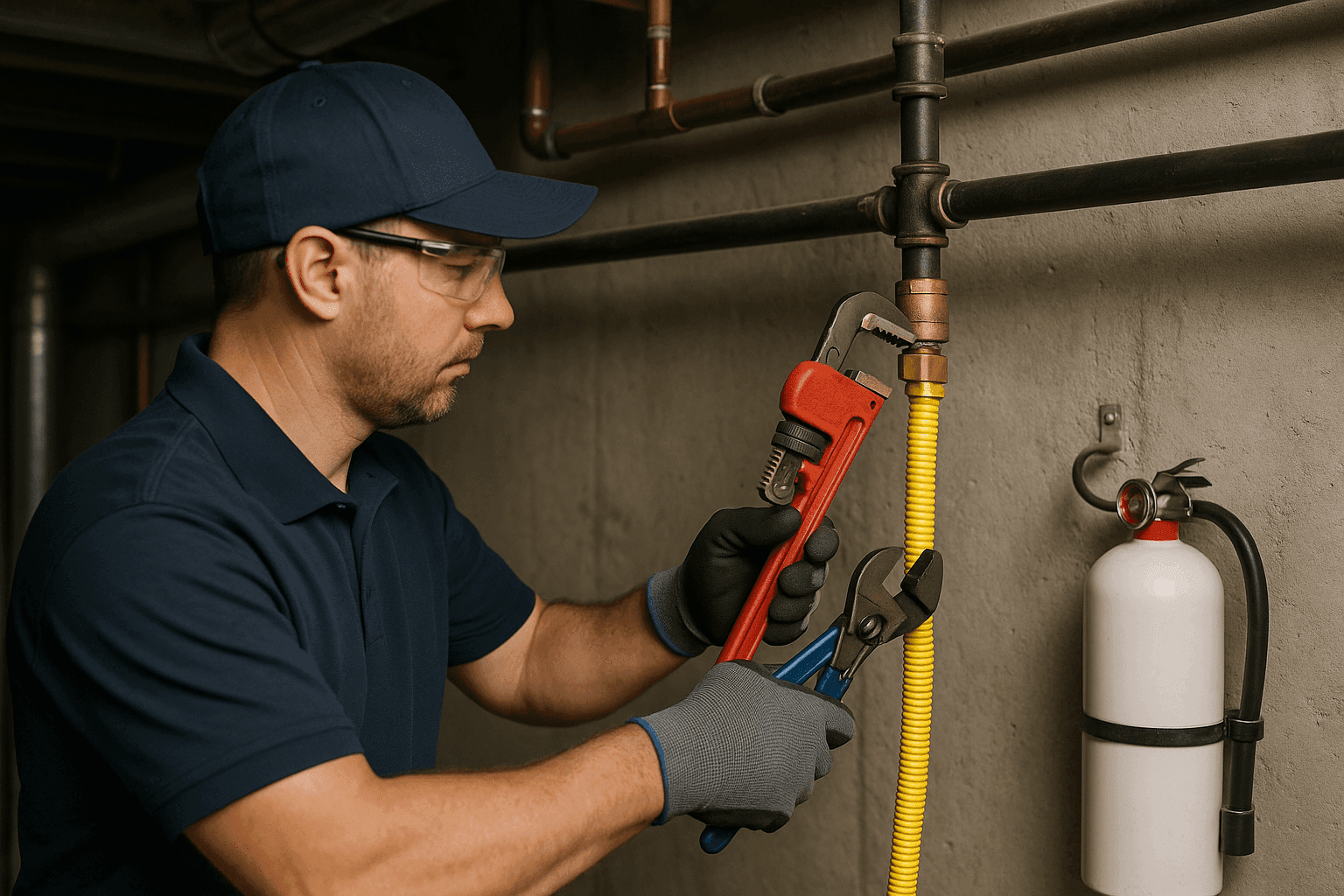
Gas lines are the silent veins of your home, delivering energy where you need it most. But installing them? That’s not a job for the faint of heart. One wrong move, and the consequences can be serious.
At HLH Plumbing, we know that gas line installation demands more than just the right tools. It takes knowledge, precision, and respect for safety codes. Whether you’re a homeowner or a small business owner, this guide will walk you through what’s involved, what to watch for, and why sometimes, calling a professional is the smartest move.
Why Gas Line Safety Matters
Gas lines don’t give second chances. Even a tiny leak can turn into a major emergency. Think of it like threading a needle—except the thread is invisible, and the consequences of missing are much higher.
Improper installation can lead to:
- Dangerous gas leaks
- Fire hazards
- Carbon monoxide poisoning
- Property damage
According to the National Fire Protection Association (NFPA), improper gas line work is a leading cause of residential fires. That’s why most building codes require gas lines to be installed by licensed professionals.
Quick Safety Checklist 🛑
Before you even think about starting, review this safety list:
- Check local codes: Always verify building requirements. Permits are usually required.
- Use the right materials: Only use approved piping, fittings, and sealants for gas lines.
- Ventilate: Work in well-ventilated spaces. Avoid open flames or sparks.
- Turn off the main gas supply: Never work with gas flowing to the area.
- Test for leaks: Always perform a leak test before using the line.
- Have emergency contacts ready: Know how to reach emergency plumbing services if needed.
If any step feels uncertain, stop and call a professional.
Planning Your Gas Line Route
Think of planning a gas line like plotting a safe path through a dense forest. Every turn matters.
- Map your appliances: List each device that will use gas (stove, water heater, dryer, etc.).
- Shortest, safest path: Plan a route with the fewest bends and joints.
- Avoid hazards: Steer clear of electrical wiring, water pipes, and structural supports.
- Accessibility: Make sure shut-off valves and connections are easy to reach.
Always double-check your plan before moving forward. The more you plan, the smoother the installation.
Permits and Codes: The Non-Negotiables
No shortcuts here. Gas lines are regulated for a reason. Most areas require:
- Permits: Apply before starting any work.
- Inspections: A licensed inspector must approve the work before the line is used.
- Code compliance: Follow the International Fuel Gas Code (IFGC) and National Fuel Gas Code (NFPA 54).
Skipping these steps isn’t just risky—it’s illegal in many places.
Choosing the Right Materials
Not all pipes are created equal. For gas lines, the most common choices include:
- Black iron pipe: Durable and widely approved.
- Corrugated stainless steel tubing (CSST): Flexible, easier to install, but requires special bonding.
- Copper: Sometimes allowed, but not everywhere—check your codes.
- Approved fittings and sealants: Only use products rated for gas.
Using the wrong materials is like building a bridge out of cardboard. Don’t risk it.
Step-by-Step: How Gas Line Installation Works
Here’s an overview of the process. This is for understanding only—HLH Plumbing always recommends a licensed pro for actual installation.
1. Shut Off the Gas
Safety first. Turn off the main gas supply at the meter. Lock it out if possible.
2. Measure and Cut Pipe
Accurate measurements are key. Cut pipes to length using a pipe cutter or saw. Deburr the ends for a tight fit.
3. Assemble the Line
- Start at the main supply and work toward the appliance.
- Use pipe joint compound or Teflon tape rated for gas.
- Tighten joints, but don’t overdo it—too much force can crack fittings.
4. Install Shut-Off Valves
Place a shut-off valve at each appliance. Make sure it’s accessible.
5. Pressure Test
Before turning on the gas, test the line with air (never with natural gas). Use a pressure gauge to check for leaks. This step is required by code.
6. Inspect and Approve
A licensed inspector will review the installation. Only after approval should the gas be turned on.
Common Safety Precautions
- Never use open flames to check for leaks. Use a soap and water solution instead. Bubbles mean trouble.
- Ventilate the area. Gas is heavier than air and can pool in low spots.
- Wear protective gear. Gloves, goggles, and sturdy clothing are a must.
DIY vs. Call a Pro
Some handy folks might feel tempted to tackle gas line work themselves. Here’s the reality:
When DIY Might Be Safe
- Minor maintenance, like tightening a loose fitting (if you know what you’re doing).
- Replacing appliance connectors (with proper shut-off and leak testing).
When to Call a Licensed Plumber
- Installing new gas lines or extending existing ones.
- Working near structural supports or electrical wiring.
- If you’re unsure about any step.
A professional brings more than just tools. They bring experience, up-to-date code knowledge, and the ability to handle emergencies.
What Pros Do On Arrival
When HLH Plumbing arrives, here’s what you can expect:
- Assessment: We inspect the site, review your needs, and check existing lines.
- Code verification: We ensure all plans meet current safety codes.
- Material selection: We use only approved, high-quality materials.
- Safe installation: Every step is checked, double-checked, and tested.
- Final inspection: We coordinate with inspectors for approval before use.
Prevention & Maintenance
A gas line is not “set it and forget it.” Keep your system safe with these tips:
- Annual inspections: Have a licensed plumber check for leaks and corrosion.
- Install carbon monoxide detectors: Place them near sleeping areas and gas appliances.
- Know the signs of a leak: Rotten egg smell, hissing sounds, or dead plants near the line.
- Schedule preventative maintenance: Don’t wait for trouble—catch issues early.
Costs & Time Factors
Gas line installation isn’t one-size-fits-all. Costs and timelines depend on:
- Length of the line: Longer runs require more materials and labor.
- Number of appliances: More connections mean more complexity.
- Accessibility: Hard-to-reach areas take longer.
- Permitting and inspection: Waiting for approvals can add time.
Expect anywhere from a few hours for simple jobs to several days for complex installations. Remember, cutting corners to save time or money can cost much more in the long run.
When It’s an Emergency
Some situations can’t wait. Call emergency plumbing services immediately if you notice:
- A strong gas smell (like rotten eggs)
- Hissing or whistling sounds near gas lines
- Sudden dizziness, headaches, or nausea indoors
- Dead or dying plants above buried gas lines
Leave the area, avoid using electronics, and call for help right away. Your safety comes first.
FAQ: Gas Line Installation
How do I know if my gas line is leaking?
The most common sign is a sulfur or rotten egg smell. You might also hear a hissing sound or notice dead plants near the line. If in doubt, leave the area and call emergency plumbing services.
Can I install a gas line myself?
Most codes require a licensed plumber for gas line installation. Even if DIY is allowed, the risks are high. Mistakes can lead to fire, explosion, or poisoning.
How often should I have my gas lines inspected?
At least once a year, or any time you notice changes in appliance performance, unusual smells, or after any home renovations.
What’s the difference between black iron and CSST pipe?
Black iron is rigid and durable, often used for main lines. CSST is flexible and easier to route but must be properly grounded to prevent electrical hazards.
Special Considerations for Gas Line Service
- Older homes: May have outdated or unsafe piping. Special care is needed.
- Multiple appliances: Each device may have different requirements for pressure and shut-off.
- Weather exposure: Outdoor lines need protection from the elements.
- Commercial properties: Often have stricter codes and higher usage demands.
- Backflow prevention: Proper devices protect your water supply from contamination.
Final Thoughts: Safe Gas Line Installation for Peace of Mind
Gas line installation is a job where precision and caution matter more than speed. Whether you’re upgrading appliances or adding a new line, take every step seriously. If you’re ever unsure, don’t gamble with safety—call a licensed plumber.
HLH Plumbing is here to help, day or night, for all your gas line and emergency plumbing needs.
Call HLH Plumbing now — or reach us anytime at 877-477-7921 .