Home Pipe Installation: Materials, Methods, and Mistakes to Avoid
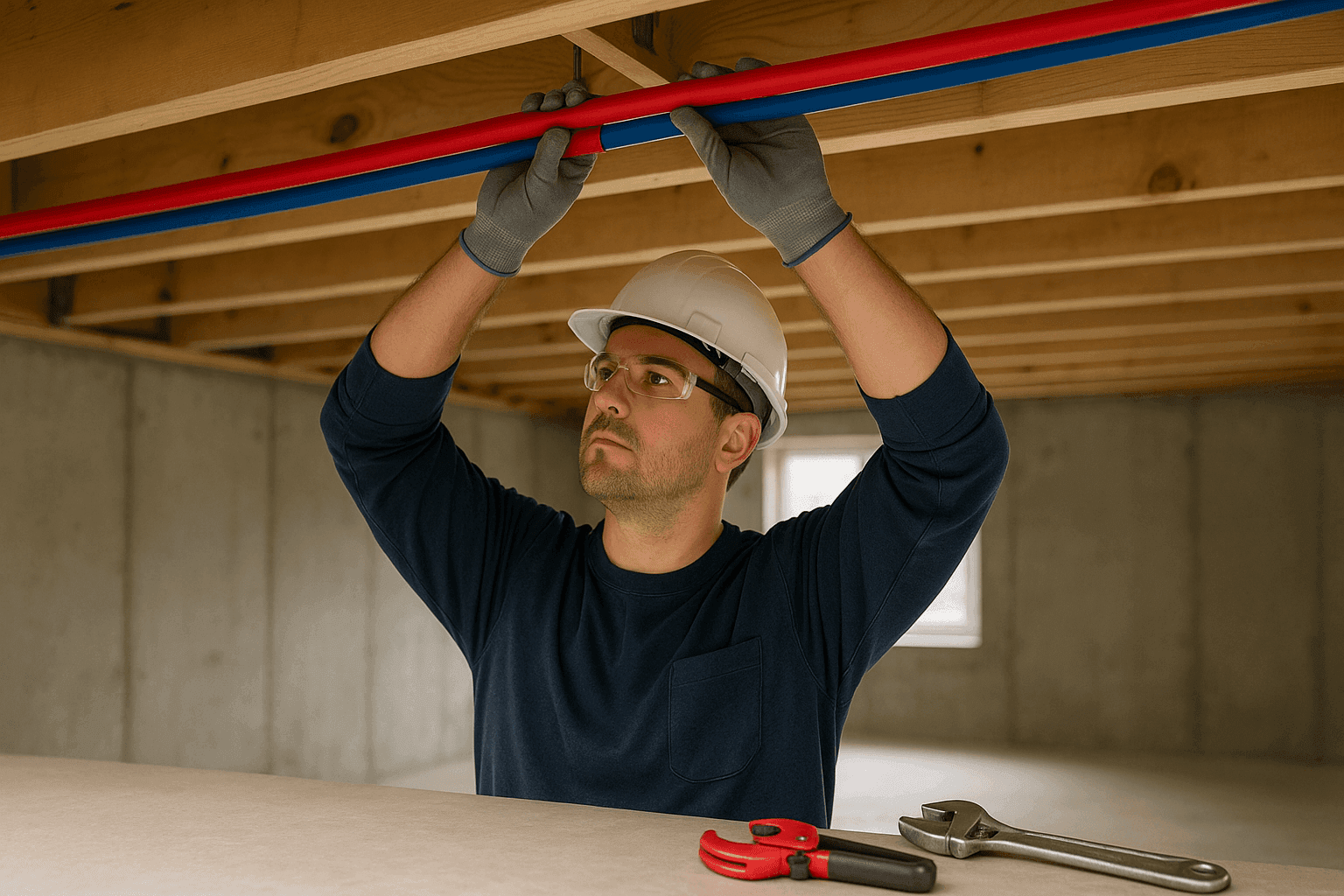
Is your home getting a plumbing upgrade? Or maybe you’re building your dream bathroom from scratch. Pipe installation is the backbone of any water system. When it goes right, you never notice. When it goes wrong, it’s a headache that can flood your life with stress.
At HLH Plumbing, we know what’s at stake. Pipes are hidden, but their impact is everywhere — from your morning shower to the dishwasher’s hum at midnight. Let’s walk through the essentials of pipe installation so you can plan with confidence and avoid those silent, creeping disasters.
Choosing Pipe Materials: PEX, Copper, and PVC 🚰
The right pipe makes all the difference. It’s not just about moving water — it’s about longevity, safety, and how your home handles local water quirks.
PEX (Cross-Linked Polyethylene)
- Flexible and forgiving. Like a garden hose, it bends around corners, making installation easier, especially in tight spots.
- Resistant to freeze damage. In cold climates, it’s less likely to burst.
- Less prone to corrosion. Good fit for areas with aggressive water chemistry.
Copper
- Classic and durable. Copper is like the reliable old pickup: solid, time-tested, and familiar to inspectors.
- Handles heat and pressure well. Great for both hot and cold water lines.
- Can corrode if your water is acidic or highly chlorinated.
PVC (Polyvinyl Chloride)
- Affordable and lightweight. Easier to handle, especially for drain lines.
- Not for hot water. PVC can warp under high temperatures.
- Chemically resistant, but not invincible — some solvents and UV light can weaken it over time.
Quick Comparison
| Material | Flexibility | Freeze Resistance | Corrosion Resistance | Cost | Typical Use | |----------|-------------|------------------|---------------------|------|-------------| | PEX | High | High | High | $$ | Water supply| | Copper | Low | Moderate | Moderate-High | $$$ | Water supply| | PVC | Low | Moderate | High | $ | Drain/waste |
Remember: The best pipe is the one that matches both your needs and your local conditions.
Installation Best Practices
Pipe installation is more than just connecting the dots. It’s about setting up a system that won’t spring a leak when you least expect it.
- Plan your route carefully. Like laying out a hiking trail, every turn and elevation matters.
- Support pipes every few feet. Sagging pipes are stressed pipes.
- Use proper fittings. No shortcuts with makeshift connectors.
- Isolate pipes from vibration and movement. Rubber grommets or insulation sleeves help prevent rubbing — a common cause of pinhole leaks.
- Pressure test before closing up walls. If it leaks now, it’ll leak worse later.
Code Compliance: Safety First
Every municipality has its own plumbing code. These aren’t just hoops to jump through — they’re the rules that keep your water safe and your insurance valid. The International Plumbing Code (IPC) and Uniform Plumbing Code (UPC) are two widely referenced standards.
- Permits matter. Don’t skip the paperwork. Inspectors check for safe distances from electrical lines, proper pipe slope, and approved materials.
- Backflow prevention is required for certain installations. This keeps contaminated water from sneaking back into your supply.
- Seismic and freeze protection may be mandatory, especially in areas with earthquakes or harsh winters.
Common Installation Mistakes
Some mistakes are obvious. Others wait in the dark, ready to cause chaos years later.
- Improper slope on drain lines. Water should flow like a gentle river, not pool in valleys.
- Over-tightening fittings. It’s like cranking a bolt until it snaps — leaks happen.
- Mixing incompatible materials. Copper and steel? They’ll fight each other, causing corrosion.
- Skipping insulation in crawl spaces or exterior walls. Frozen pipes are a winter emergency waiting to happen.
- Under-supporting pipes. A drooping line is one step from a sagging ceiling.
Watch for these, and you’re already ahead of the game.
Signs of Poor Workmanship
You don’t need an x-ray to spot a bad job. Here’s what to look for:
- Crooked runs. Pipes should be neat, not weaving like a snake.
- Visible leaks or drips at joints.
- Noisy pipes. Rattles and bangs mean poor supports.
- Discolored water. Rust or cloudiness could signal corrosion or contamination.
- Musty smells. Hidden leaks often show up as odors before visible damage.
If you notice any of these after an install, it’s time to call for help.
Quick Safety Checklist 🛡️
Before you start any pipe installation, run through this:
- Shut off the main water supply.
- Wear safety glasses and gloves.
- Use tools rated for plumbing tasks — not “close enough” substitutes.
- Confirm what’s behind walls before drilling.
- Double-check pipe compatibility for your water type (hard, soft, acidic).
- Read up on local plumbing codes or consult a licensed pro.
DIY vs. Call a Pro
It’s tempting to watch a few videos and grab a wrench. Sometimes, that’s fine — tightening a loose P-trap or swapping out a showerhead.
But pipe installation is a different animal:
- Mistakes can go unnoticed until they cause expensive water damage.
- Some projects require permits and inspections.
- Specialized tools (like pipe crimpers for PEX or torches for copper) aren’t always in the average toolbox.
When in doubt, reach out. HLH Plumbing’s licensed team is ready for everything from Bathroom Plumbing near you to full-home repiping.
What Pros Do On Arrival
A licensed plumber doesn’t just show up and start cutting. Here’s what happens:
- Assessment: We inspect your home’s layout, water chemistry, and pressure.
- Material selection: We recommend pipes that fit your location and water quality.
- Route planning: Minimizing bends and joints to reduce leak risk.
- Code review: Ensuring every step meets state and local regulations.
- Installation: Clean, efficient, and respectful of your home.
- Testing: Pressurizing and checking for leaks before closing up.
You get clear communication — and a job done right, the first time.
Prevention & Maintenance
Once your pipes are in, keep them in top shape:
- Insulate exposed pipes in basements or attics to prevent freezing.
- Schedule annual leak checks. Small drips can turn into big repairs.
- Monitor water pressure. High pressure can stress pipes and joints.
- Install water filtration if your area has aggressive water chemistry.
- Flush your system occasionally (especially with copper) to prevent sediment buildup.
Preventative maintenance is your best defense against emergency plumbing calls.
Costs & Time Factors
Every house is unique. Costs and time depend on:
- Material choice. Copper is pricier than PEX or PVC.
- Access. If pipes are behind finished walls or under slabs, work takes longer.
- Scope. A single bathroom vs. whole-home repiping is a big jump.
- Permits and inspections. These protect you, but add time.
Most simple installs take a day or two. Full repipes may stretch to a week. Emergency plumbing situations? Those bump you to the front of the line, but often cost more due to urgency.
When It’s an Emergency
Sometimes, it just can’t wait:
- A pipe bursts and water is gushing.
- You smell gas near a line.
- No water at all (or only rusty, foul-smelling water).
First, shut off your main supply. Then, call HLH Plumbing. We prioritize emergencies — because a plumbing disaster doesn’t care about business hours.
FAQ
How long should new pipes last?
PEX and copper can last 40–70 years if maintained. PVC varies, often 25–40 years for drain lines.
Do I need to replace old pipes if I’m remodeling?
If pipes are corroded, leaking, or made from outdated materials (like galvanized steel), replacement is wise during renovation.
Can I install PEX myself?
Technically, yes. But you’ll need special tools and knowledge of code. For anything beyond a small fix, call a licensed plumber.
Why does my water pressure drop after new pipes?
Possible causes: undersized pipes, debris in the line, or a partially closed valve. A pro can diagnose the issue.
Local/Seasonal Considerations ❄️
Here’s the thing: Every region is different. In cold climates, freeze risk is real. We recommend:
- Insulating all exposed pipes, even in crawl spaces.
- Using PEX for lines in unheated areas, since it flexes and resists bursting.
- Draining outdoor spigots in fall.
In areas with hard or acidic water, pipe choice matters too. Copper can corrode faster. PEX or treated copper may be better.
A local HLH Plumbing technician knows your area’s quirks — from mineral-heavy well water to deep winter chills.
Ready for a home plumbing system you can count on, day or night? Call HLH Plumbing now — or reach us anytime at 877-477-7921 .