Do You Need a Gas Safety Check? Homeowner’s Checklist
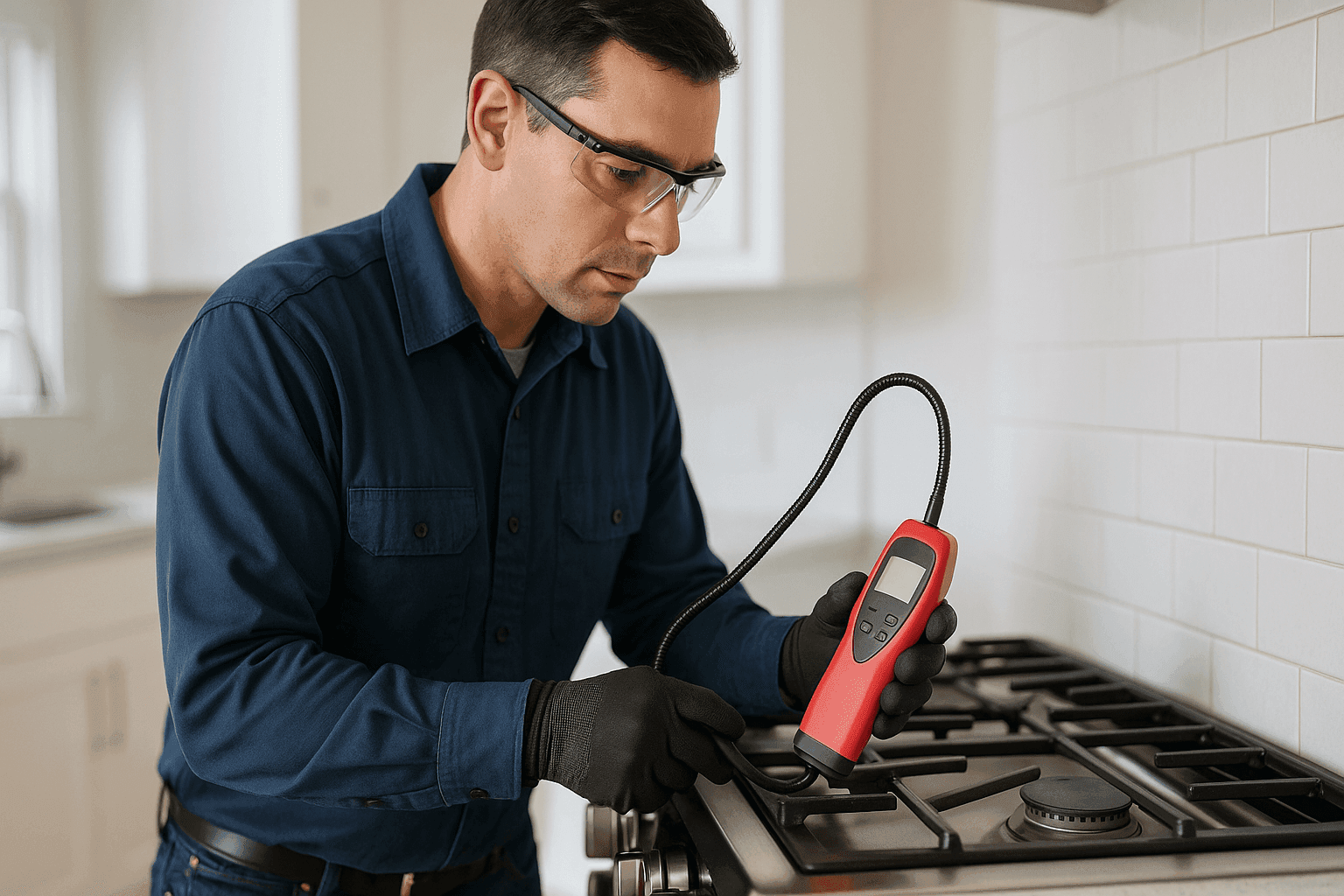
Gas powers your stove, keeps your showers hot, and helps your home hum along—until something goes wrong. Gas leaks aren’t just inconvenient. They’re dangerous. If you’ve ever caught a whiff of rotten eggs near your heater or worried about a strange hissing sound, you’re not alone.
At HLH Plumbing, we help homeowners safeguard their families around the clock. Our licensed gas technicians know the local codes inside and out. Let’s walk through what you need to know about gas safety at home, so you can breathe easy.
Why Gas Safety Matters 🏠
Natural gas and propane are popular for a reason. They’re efficient, clean-burning, and reliable. But they’re also invisible and odorless—dangerous without warning signs. That’s why gas suppliers add a sulfur-like smell, so you’ll notice if something’s amiss.
A gas leak can turn a quiet evening into an emergency. Leaks can cause headaches, dizziness, nausea, or even deadly carbon monoxide poisoning. In rare cases, gas can ignite and cause fires or explosions.
Gas safety isn’t just about peace of mind—it’s required by law. Local codes and national guidelines (like the National Fuel Gas Code) mandate regular checks for your gas lines, appliances, and connections. HLH Plumbing’s technicians are trained to spot trouble before it becomes a crisis.
Signs of Gas Leaks
You don’t need a toolkit to sense something’s wrong. Just pay attention:
- Rotten egg smell (sulfur or skunk-like odor)
- Hissing or whistling sounds near gas lines or appliances
- Dead or discolored plants above underground gas lines
- Condensation on windows near gas appliances
- Unusual headaches, dizziness, or nausea at home
- Pilot light that won’t stay lit
If you notice any of these, take them seriously. Even a faint whiff or a small sound is a warning flag.
Annual Gas Safety Checklist
A stitch in time saves nine. Here’s your annual checklist to keep your home safe:
- Check all gas appliances: Inspect stoves, water heaters, furnaces, boilers, and fireplaces for signs of wear, loose fittings, or yellow flames.
- Test shut-off valves: Make sure every gas appliance has an accessible shut-off valve. Know where your main shut-off is.
- Check for visible corrosion: Pipes and connections should be free from rust, greenish stains, or anything flaky.
- Test carbon monoxide (CO) detectors: Replace batteries every six months. Press “test” to ensure alarms work.
- Review ventilation: Vents and flues should be clear of debris, nests, or blockages.
- Look for signs of water leaks: Dampness near gas lines can speed up corrosion.
- Schedule an annual inspection: Have a licensed HLH Plumbing technician perform a full gas safety check—required by law in many regions.
It’s like brushing your teeth—small steps now prevent big problems later.
What to Expect During a Professional Gas Safety Check 👨🔧
When you call HLH Plumbing for a safety check, here’s what happens:
- Visual inspection: A licensed technician surveys all visible gas lines and appliances.
- Appliance testing: Each gas-powered appliance is tested for leaks, flame quality, and ventilation.
- Leak detection: Advanced tools (like gas sniffers) find invisible leaks you can’t smell.
- Pressure test: The technician may check line pressure to catch small leaks or pressure drops.
- Code compliance: We confirm your system meets local and national standards, including labeling, clearances, and emergency shut-offs.
- Safety recommendations: You’ll get a clear summary and advice for any needed repairs or upgrades.
Our techs are trained, certified, and up-to-date on all local requirements. We’ll answer your questions and explain every step in plain language.
Emergency Steps for Suspected Gas Leaks
If you suspect a leak, don’t hesitate. Here’s what to do—fast:
- Don’t use electrical switches, phones, or open flames. Even a spark can ignite leaking gas.
- Open windows and doors. Let the gas escape.
- Turn off the main gas valve. Locate it outside, near your gas meter.
- Evacuate everyone—including pets—from your home.
- Call emergency services and HLH Plumbing from a safe distance.
Don’t try to find the leak yourself. Leave that to the professionals.
Preventative Maintenance for Gas Safety
Think of your gas system like a car engine. It needs regular tune-ups:
- Schedule annual inspections—especially before winter or after renovations.
- Keep records of every check and repair.
- Install CO and gas detectors in sleeping areas and near appliances.
- Never block vents or air intakes with furniture or storage.
- Replace aging appliances or pipes before they fail.
Regular care helps avoid emergencies and keeps your home running smoothly.
Costs & Time Factors
Gas safety checks are an investment in your home and health. Here’s what to expect:
- Time: A typical safety check takes 60–90 minutes, depending on your home’s size and number of appliances.
- Cost: Pricing varies by region and home size. Some municipalities may require additional tests or certifications.
- Hidden savings: Catching leaks early can save thousands in repairs, reduce energy bills, and prevent health crises.
Ask HLH Plumbing about options for bundled maintenance visits—including bathroom plumbing, leak detection, and more.
When It’s an Emergency 🚨
Some situations can’t wait:
- You smell gas or hear hissing: Evacuate and call for help immediately.
- You feel dizzy, nauseous, or short of breath at home: Leave and seek medical attention.
- CO detector sounds: Treat this like a fire alarm. Get out, then call emergency services and HLH Plumbing.
- You notice scorched or melted gas pipes: This is urgent—act now.
Our emergency plumbing team is available 24/7. We respond fast—day or night.
FAQ: Common Gas Safety Questions
How often do I need a gas safety check?
At least once a year, and always after moving in, major renovations, or if you notice issues.
Can I check for gas leaks myself?
You can look for signs, but never try to repair or test gas lines yourself. It’s risky and often illegal without a license.
What’s the difference between a gas leak and CO poisoning?
Gas leaks release natural gas or propane, which you can usually smell. CO is odorless—a byproduct of incomplete burning—and just as dangerous. Detectors for both are essential.
Will a gas safety check disrupt my home?
Most checks are quick and low-impact. HLH Plumbing techs keep the process smooth and respectful.
Local/Seasonal Considerations
Gas regulations vary by region. In many areas, annual gas checks are required by law—especially if you’re renting or selling your home. Local codes may specify venting requirements, approved piping materials, and detector placement. HLH Plumbing always follows current state and municipal rules.
Winter brings extra challenges. Heaters and fireplaces work overtime, so schedule checks before cold weather hits. After storms or earthquakes, inspect for visible damage and call for a professional review if you spot anything off.
Remember: what keeps you safe in one season may change in the next.
Gas safety isn’t just a checklist—it’s everyday peace of mind. If you’ve got questions, concerns, or need urgent help, HLH Plumbing’s team of certified gas technicians is ready, 24/7. Whether it’s emergency plumbing, bathroom plumbing near you, or a routine safety check, we’ve got you covered.
Call HLH Plumbing now — or reach us anytime at 877-477-7921 .