Gas Line Installation: Safety, Permits, and Professional Tips
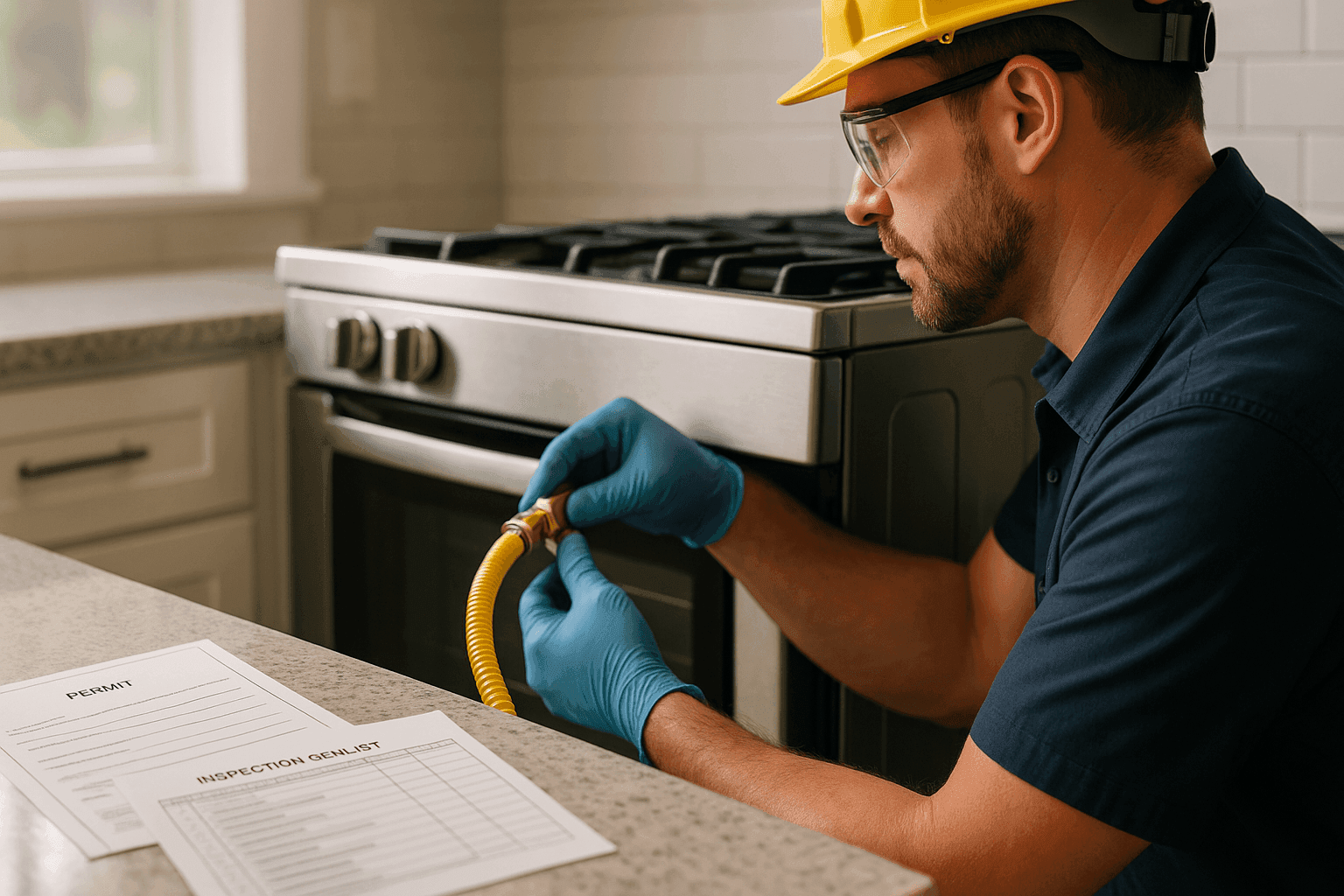
Gas lines have a way of making homeowners anxious—and for good reason. A faulty or improperly installed gas line doesn’t just mean a cold shower or a stove that won’t light. It can threaten your family’s safety and your home’s future.
At HLH Plumbing, we know how urgent, confusing, and risky gas line decisions can feel. Our licensed gas experts handle installations daily, and we’re here to cut through the noise with straight answers and real peace of mind.
Types of Residential Gas Lines 🛠️
Not all gas lines are created equal. The type you need depends on the appliance, placement, and your home’s age.
- Black Iron Pipe: The old reliable. Sturdy, durable, and usually found in older homes.
- Corrugated Stainless Steel Tubing (CSST): Flexible and easier to snake around corners, but must be properly bonded to prevent lightning risks.
- Copper (where allowed): Sometimes used for LPG, but check local codes—many cities ban copper for natural gas.
- Polyethylene (PE): Used outdoors, usually for buried lines. Never for indoor runs.
For most bathroom plumbing near you, indoor gas lines are either black iron or CSST. Outdoor lines leading to grills or detached garages often use PE. Always check what your city allows.
Gas Line Safety Precautions
Think of a gas line like a river: When flowing smoothly, it powers homes. But one crack in the dam, and the consequences are immediate.
- Test for leaks before use. Even a hairline crack can cause big trouble.
- Keep lines away from sources of heat, flame, or physical damage.
- Bond and ground CSST properly. This reduces the risk of fire from electrical surges.
- Install shutoff valves close to every appliance. Make emergency stops easy.
- Don’t bury indoor gas lines in walls or concrete unless code-approved and protected.
- Know the smell of gas. Natural gas is odorized—if you smell rotten eggs, act fast.
Reference: National Fuel Gas Code (NFPA 54) and your local building department.
The Permitting Process (With Checklist)
Permits aren’t red tape—they’re lifelines. They protect your family and keep your insurance valid.
What Permits Cover
- Line size and routing: Ensures safe delivery, no bottlenecks.
- Pressure testing: Verifies every joint is tight.
- Appliance connections: Confirms proper fitting and venting.
Permit Checklist
- [ ] Check your city or county’s building department for gas line permit requirements.
- [ ] Submit a detailed plan or diagram—include pipe types, sizes, and appliance locations.
- [ ] Secure inspection dates before, during, and after installation.
- [ ] Provide proof of licensed contractor (required in most areas).
- [ ] Get final sign-off before using the line.
Note: Some regions require extra steps for gas lines running outdoors, in basements, or near flood zones. Always call your local authority—requirements can change block by block.
Code Reference: National Fuel Gas Code (NFPA 54), International Residential Code (IRC), and your city/county building codes.
Professional Gas Line Installation Steps
Installing a gas line isn’t like changing a lightbulb. It’s more like heart surgery—precision, training, and inspection matter.
Here’s How HLH Plumbing Does It:
- Site Assessment: Map the safest, shortest route. Identify obstacles, code risks, and appliance needs.
- Materials Selection: Choose pipe type based on length, appliance draw, and local code.
- Shut Down Main Gas: No exceptions. Safety first, always.
- Measure, Cut, and Fit: Every joint is cleaned, cut to length, and deburred. Pipes are threaded, notched, or connected with approved fittings.
- Pressure Testing: The line is filled with air, capped, and monitored for drops—no leaks allowed.
- Appliance Hookup: Connect appliances, install shutoff valves, and check all connections.
- Final Inspection: City or county inspects, signs off, and turns gas back on.
Tip: Never skip inspection. It’s the law, and it’s your safety net.
Signs of Gas Line Trouble 🚨
Gas line issues rarely start with a bang. The warning signs are subtle at first:
- Rotten egg odor: The big one. Leave the house and call emergency plumbing help.
- Hissing or whistling sound: Indicates escaping gas, even if you can’t smell it.
- Dead vegetation above buried lines: Plants dying for no reason could signal an underground leak.
- Higher gas bills: Unexplained increases mean gas is escaping somewhere.
- Appliances not lighting or staying lit: Poor pressure could be a leak or blockage.
If you notice any of these, don’t wait. Call HLH Plumbing’s emergency plumbing team immediately.
Permit Checklist and Code References
Permit Checklist
- [ ] Obtain permit from local building authority.
- [ ] Submit detailed installation plan.
- [ ] Schedule inspections (pre- and post-installation).
- [ ] Verify contractor licensing.
- [ ] Retain record of inspection and approval.
Code References
- National Fuel Gas Code (NFPA 54)
- International Residential Code (IRC), Section G2417 (Testing)
- Local city/county gas codes (requirements vary)
Always check the latest edition and consult your local building department for updates.
DIY vs. Call a Pro
It’s tempting to watch a video and think, “I can do this.” But gas line work is not like a leaky faucet or a clogged toilet. One wrong turn, and you’re risking not just your home, but your neighborhood.
- DIY limits: Most areas make it illegal for unlicensed people to install or modify gas lines.
- Tools and testing: Pressure gauges, leak detectors, and code knowledge aren’t found in most toolboxes.
- Insurance: DIY gas work can void your homeowner’s policy. If there’s ever a fire or injury, you’re on the hook.
When in doubt, call HLH Plumbing. Our team’s licensed, insured, and trained for every twist in the pipe.
What the Pros Do On Arrival
Expect a thorough check—not just of the new job, but your home’s whole gas system.
- Walkthrough: Inspect for old, corroded, or unapproved lines.
- Code Check: Confirm compliance with all local and national rules.
- Leak Detection: Use professional sensors and soap solution.
- Pressure Test: Confirm the line holds steady under air pressure.
- Documentation: Provide copies of all permits, plans, and inspection results.
Prevention & Maintenance 🛡️
Prevention keeps emergencies at bay. Here’s how to keep your gas lines safe year-round:
- Annual inspections: Book a pro to check for corrosion, leaks, or code issues.
- Know your shutoff: Make sure everyone in the home knows where and how to turn off the gas.
- Label valves: Tag every appliance shutoff for fast access.
- Don’t ignore weird smells or sounds: Act fast—call emergency plumbing help immediately.
Costs & Time Factors
Gas line installation takes planning, skill, and the right permits. Here’s what affects the cost and timeline:
- Line length: Longer runs mean more materials and labor.
- Accessibility: Tight crawlspaces or slab foundations add time.
- Appliances: More connections require more fittings and time.
- Permit & inspection fees: Vary by city/county.
Time: Most residential projects take 1–2 days, including inspection. Larger or more complex jobs may take longer, especially if excavation is required.
Cost range: Materials, labor, and permit fees all play a part. Your HLH Plumbing team will outline every expected step before work starts.
When It’s an Emergency
If you smell gas or suspect a leak:
- Leave the house immediately. Don’t use lights, phones, or anything that could cause a spark.
- Call your gas utility or 911 from outside.
- Once safe, contact HLH Plumbing’s emergency plumbing line. We’re ready 24/7 to handle urgent repairs and leak detection.
Never try to fix a gas leak yourself. Safety comes first, always.
FAQ
How do I know if my gas line installation needs a permit?
Nearly every city and county requires a permit for new or modified gas lines. Check with your local building department, or ask HLH Plumbing—we handle the paperwork for you.
Can I run my own gas line for an outdoor grill?
Most areas require a licensed plumber or gas fitter for any gas work. Even “simple” jobs like a grill line need permits, proper testing, and inspection.
What are the most common causes of gas leaks?
Old, corroded pipes, DIY mistakes, earthquake movement, or accidental damage during renovations. Regular inspections catch most issues before they become emergencies.
How often should gas lines be inspected?
Annually—or whenever you upgrade appliances or notice strange smells/sounds. HLH Plumbing recommends checking every year for peace of mind.
Local and Seasonal Considerations 🌦️
- Cold climates: Frozen soil can shift lines underground—annual checks are even more important.
- Flood-prone areas: Gas lines must be elevated or protected to prevent water damage.
- Coastal regions: Salt air accelerates corrosion. Inspect more often.
- Local codes: Some cities ban certain pipe types or have extra rules for basements. Always check before starting.
Call HLH Plumbing for Safe, Legal Gas Line Installation
Gas line work isn’t just another project—it’s your family’s safety, your home’s future, and your peace of mind. HLH Plumbing’s licensed gas pros are ready to handle installation, repairs, and emergency plumbing calls any time.
Call HLH Plumbing now — or reach us anytime at 877-477-7921 .