Garbage Disposal Problems: Quick Fixes and When to Replace
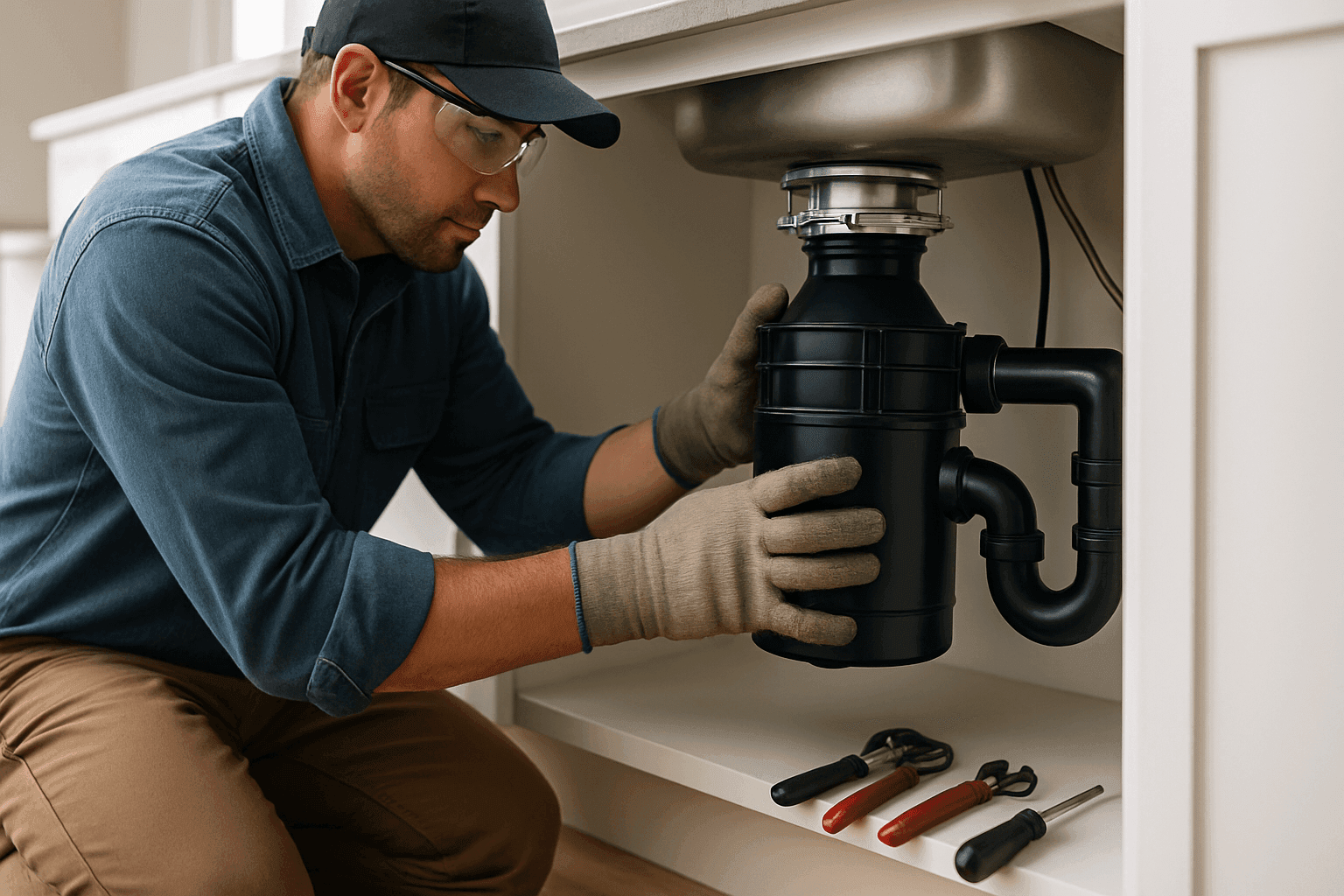
If your garbage disposal has suddenly stopped working, started making ominous grinding noises, or is refusing to drain, you’re not alone. A broken disposal can interrupt dinner plans, invite unwanted odors, and create a surprising amount of stress.
At HLH Plumbing, we know kitchen headaches don’t wait for business hours. That’s why our emergency plumbing team is ready to help—day or night. But before you panic (or reach for the phone), let’s walk through common disposal issues, safe fixes, and how to know when it’s time to call a pro.
Common Disposal Problems 🍽️
Garbage disposals are the workhorses of the kitchen sink. They handle scraps, peels, and the aftermath of family meals. But even the toughest machine hits a snag. The most frequent problems we see include:
- Jams: The unit hums but won’t spin. Sometimes there’s a metallic rattle or a sudden stop.
- Clogs: Water backs up in the sink or drains slowly, often with gurgling sounds.
- Strange Noises: Grinding, screeching, or clicking—these sounds spell trouble.
- Leaks: Water pools under the sink, usually from loose connections or a cracked unit.
- No Power: The disposal doesn’t hum, click, or respond at all.
These issues can range from a minor annoyance to a full-blown emergency plumbing situation.
Quick Safety Checklist
Before you reach beneath the sink, remember: garbage disposals are powerful machines. Protect yourself and your home by following these steps:
- Turn off the power. Unplug the disposal or switch off the circuit breaker.
- Never use your hand to reach inside the disposal—use pliers or tongs.
- Keep water running when testing the unit after a fix.
- Check for leaks before restoring power.
- Review the owner’s manual for your specific disposal model’s warnings and reset procedures.
Following these steps keeps you (and your pipes) safe.
DIY Fixes for Common Disposal Problems 🛠️
Many disposal hiccups are easy to fix with a level head and a few household tools. Here’s how to troubleshoot like a pro:
1. The Reset Button Trick
Most disposals have a small red or black “reset” button on the bottom. If the unit overheats or jams, this button trips. Turn off the power, press the button, wait a few minutes, and try the switch again.
2. Manual Crank
If the disposal hums but doesn’t spin, grab a 1/4-inch Allen wrench (hex key). Insert it into the hole on the bottom center of the unit. Gently turn back and forth to free a jammed impeller.
3. Unclogging
If water isn’t draining, the clog may be in the disposal or the drain line. Use a plunger on the sink (never chemicals—they corrode seals). For stubborn clogs, disconnect the drain trap and clean out debris.
Troubleshooting Flowchart:
- Unit Silent? → Check plug/breaker → Still dead? Call HLH Plumbing.
- Hums, Won’t Spin? → Reset button → Manual crank → Still jammed? Call us.
- Drains Slowly? → Plunger → Clean trap → Still clogged? We’re here to help.
- Leaks? → Tighten connections → Inspect for cracks → Leaking persists? Time for a pro.
What Not to Put Down Your Disposal 🚫
Your garbage disposal isn’t a bottomless pit. Certain items are best left out if you want to avoid emergency plumbing calls:
- Grease, oils, and fats (they solidify and clog pipes)
- Fibrous veggies (celery, corn husks, onion skins)
- Bones, fruit pits, or shells
- Coffee grounds
- Pasta, rice, and bread (they swell with water)
- Non-food items (rubber bands, glass, twist ties)
Local food waste regulations may even require you to dispose of certain scraps in the compost or green bin instead. Check your city or county guidelines for details—violating local codes can result in fines or plumbing issues.
When to Repair or Replace Your Disposal
Sometimes, even a well-maintained disposal reaches the end of the line. Consider replacement if:
- The unit is over 8–10 years old
- Persistent leaks occur (especially from the body, not the fittings)
- Repairs are frequent, or the motor burns out
- The disposal struggles with even small loads
Repair makes sense for minor jams, electrical resets, or a simple clog. Replacement is smarter when:
- Cracks develop in the housing
- Replacement parts cost nearly as much as a new unit
- You want a quieter, more energy-efficient model
HLH Plumbing technicians are trained to safely evaluate, repair, or replace disposals without risking electrical shock or plumbing code violations.
Safety Tips for Garbage Disposal Repair
- Always disconnect power at the source (unplug or breaker).
- Use tools—not hands—to remove debris.
- Wear gloves and safety glasses when working under the sink.
- Never pour harsh chemicals into your disposal.
- Follow local codes (see the International Residential Code and manufacturer’s guidelines).
HLH Plumbing’s team uses insulated tools and double-checks all connections before restoring power. Your safety is our top concern, whether it’s a simple fix or a late-night emergency plumbing call.
DIY vs. Call a Pro
Tackling a jam or clog yourself can save time. But if you notice water leaks, repeated tripping, burnt smells, or electrical issues, it’s time to call HLH Plumbing. We arrive with the right parts, tools, and know-how to prevent further damage—and we always put safety first.
What HLH Plumbing Pros Do on Arrival
- Inspect the disposal and surrounding plumbing for visible damage.
- Test the unit safely, using voltage detectors and insulated tools.
- Remove jams, replace worn seals, or install a new unit if needed.
- Check for code compliance and proper venting.
- Clean up the work area, so your kitchen is ready for dinner again.
Our experience means fewer messes and faster solutions—especially when you need emergency plumbing after hours.
Prevention & Maintenance
Most disposal disasters are preventable with a few simple habits:
- Run cold water before, during, and after use.
- Feed scraps in slowly, not all at once.
- Avoid grinding large bones or fibrous foods.
- Clean monthly with ice cubes and a splash of vinegar.
- Regularly check for leaks and tighten connections.
A little care goes a long way to avoid late-night kitchen floods.
Costs & Time Factors
Most simple jams or resets take 15–30 minutes. Clogs or minor repairs may take up to an hour. Full replacements can run 1–2 hours, depending on access and plumbing configuration.
Costs depend on the type of unit, parts needed, and whether electrical or drain repairs are involved. HLH Plumbing always provides clear, upfront estimates before work begins.
When It’s an Emergency
Smelling burning plastic? Water spraying under the sink? Kitchen flooding or electrical sparks? These are all emergency plumbing situations. Turn off power at the breaker, avoid standing water, and call HLH Plumbing immediately. We’re here 24/7 to protect your home.
FAQ
Q: Is it safe to use my disposal if it’s making loud noises?
A: No. Loud grinding or screeching can mean metal-on-metal contact or a stuck object. Turn it off and investigate.
Q: Will chemical drain cleaners fix a clog?
A: No. They can damage seals and corrode pipes. Stick to plungers or manual cleaning.
Q: How long should a garbage disposal last?
A: With proper care, most units last 8–10 years.
Q: Can HLH help with bathroom plumbing near you?
A: Absolutely. We handle kitchen, bathroom, and emergency plumbing across the region.
Local and Seasonal Considerations 🌱
Some neighborhoods have strict rules about what can go down the drain. For example, grease and large food scraps may need to be composted, not ground up. During holiday seasons—think Thanksgiving or New Year—kitchen plumbing gets a workout. Avoid overloading your disposal with peelings, bones, or heavy starches. If you’re unsure about local codes, check with your city’s solid waste department or the EPA’s food waste guidelines.
Call HLH Plumbing now — or reach us anytime at 877-477-7921 .