Fixture Installation 101: Faucets, Showers, and More
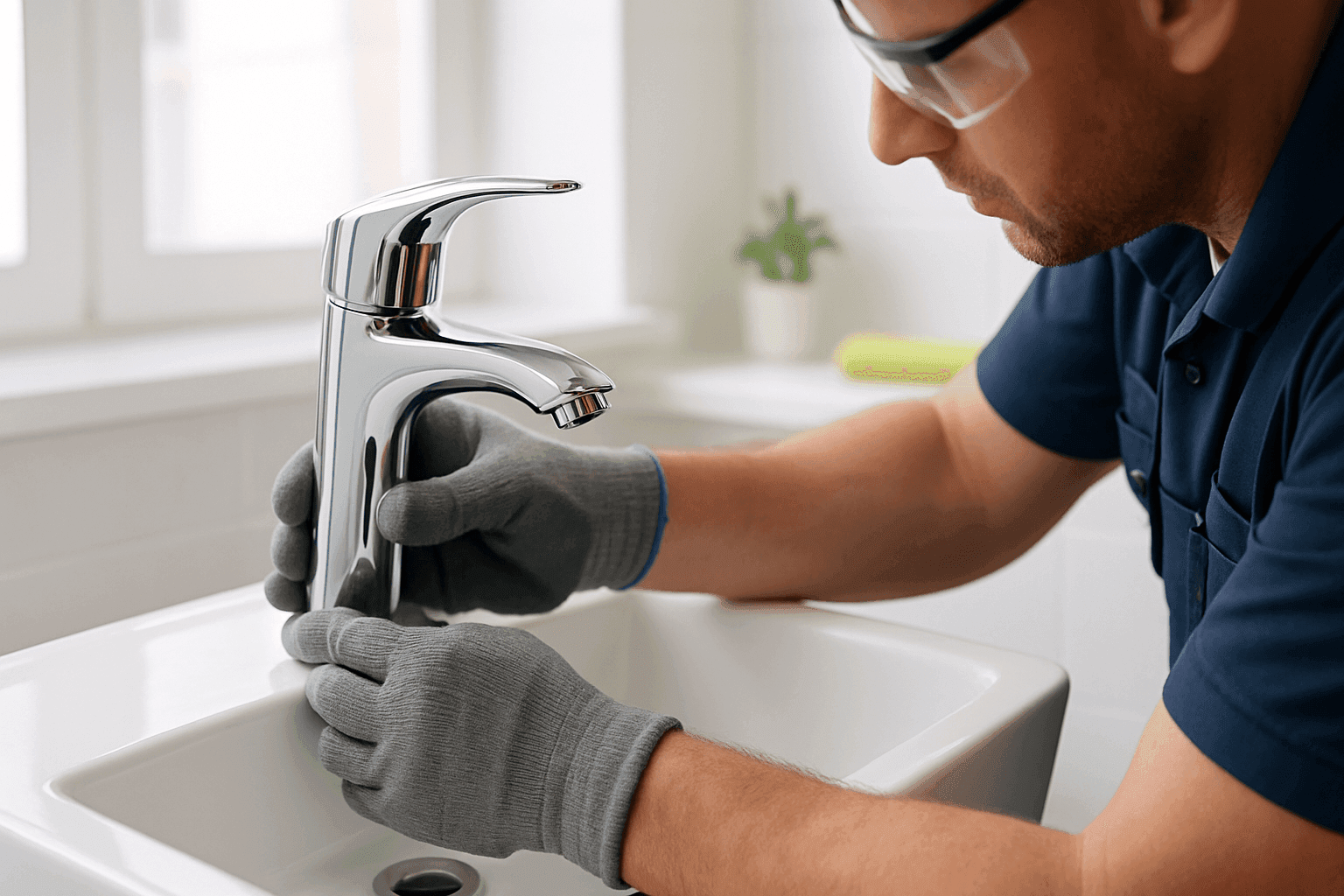
So, you’re ready to swap out that leaky faucet. Maybe you want a rainfall shower or a modern toilet. You’ve watched videos. You’ve eyed the wrench. But there’s that voice in your head—“Will this go smoothly, or will water go everywhere?”
At HLH Plumbing, we get it. A well-installed fixture means comfort, safety, and peace of mind. A bad install? It’s a mess. That’s why our team handles everything from emergency plumbing to routine fixture upgrades—so your home stays dry, efficient, and up to code.
Choosing the Right Fixture (Quality, Compatibility, & Style) 🛁
A fixture isn’t just a piece of hardware. It’s a daily touchpoint—a morning greeting, an evening sigh of relief. But it needs to fit your home’s style, meet your plumbing connections, and comply with local codes.
Consider these factors:
- Quality Materials: Brass, stainless steel, or high-grade polymers last longer and resist corrosion.
- Compatibility: Double-check the number of holes on your sink or countertop. Is it single-hole, widespread, or centerset?
- Water Efficiency: Look for EPA WaterSense or similar labels. Less water, more savings.
- Regional Styles: In colder climates, frost-proof outdoor faucets protect against freezing. In older homes, classic fixtures blend better with period details.
- Code Compliance: Local plumbing codes can dictate fixture height, backflow prevention, and shutoff requirements. Always check your city or county regulations (refer to the International Plumbing Code and your local building department).
Tools and Prep: What You’ll Need Before Starting 🧰
Installing a fixture is like prepping for a road trip. Forget one thing, and you might not get far. Here’s your go-to checklist:
Materials Checklist
- New fixture (faucet, showerhead, or toilet)
- Supply lines (correct length and thread)
- Plumber’s tape (Teflon tape)
- Plumber’s putty or silicone sealant
- Adjustable wrench and basin wrench
- Screwdrivers (Phillips & flathead)
- Bucket & rags
- Level
- Safety gloves and eye protection
- Flashlight or headlamp
Prep Steps
- Turn Off Water Supply: Always. No exceptions. There’s a shut-off under sinks and toilets.
- Clear the Work Area: Remove anything breakable. Lay down towels to catch drips.
- Read the Manufacturer’s Instructions: Every fixture is a little different.
- Check Local Codes: Know your town’s rules—some require backflow prevention or certain fixture heights.
Step-by-Step Installation
Faucets
Diagram:
[Imagine a top-down view: supply lines, faucet body, mounting nuts, and washers beneath the sink.]
- Remove the Old Faucet: Loosen supply lines with a wrench. Take off mounting nuts under the sink. Lift out the old fixture.
- Clean the Surface: Scrape away old putty or gunk with a rag.
- Install the New Faucet: Set it in place. Secure from underneath using the provided washers and nuts.
- Connect Supply Lines: Hand-tighten, then snug with a wrench. Don’t overtighten—think handshake, not bear hug.
- Check for Leaks: Slowly turn the water back on. Watch for drips.
Showerheads
Diagram:
[Visualize: Shower arm coming from wall, plumber’s tape on threads, new showerhead being tightened.]
- Remove Old Showerhead: Turn counterclockwise. Use a cloth to avoid scratching.
- Clean & Prep Threads: Wrap plumber’s tape clockwise around threads.
- Attach New Showerhead: Hand-tighten. Use a wrench for a gentle finish if needed.
- Test: Run water. Check for leaks.
Toilets
Diagram:
[Side view: Toilet bowl, tank, wax ring at base, flange, bolts securing to floor.]
- Turn Off Water & Drain: Flush and sponge out any remaining water.
- Remove Old Toilet: Unscrew bolts, lift straight up. Watch for leftover water.
- Install New Wax Ring: Set on floor flange.
- Position New Toilet: Lower onto bolts. Press down evenly.
- Secure & Seal: Tighten bolts gently. Reconnect water supply.
- Test for Leaks: Flush. Check base and supply line.
Common Mistakes to Avoid 😬
Even seasoned DIYers trip up. Here’s where many go wrong:
- Skipping the Shutoff: Forgetting to turn off the water is like leaving the hose running in the backyard.
- Overtightening: You want snug, not cracked. Too much muscle can break porcelain or strip threads.
- Wrong Sealant: Use plumber’s tape for threaded joints, putty (or silicone) for sealing bases.
- Ignoring Level: A crooked faucet or toilet will drive you nuts later.
- Not Checking Local Codes: That shortcut might mean a failed inspection or worse—a hidden leak.
When to Call a Plumber
Sometimes, a fixture install turns into a detective story. Pipes don’t line up. Valves stick. Water pressure drops. If you run into:
- Persistent leaks, even after tightening
- Corroded or stuck shutoff valves
- Low water pressure throughout the house
- Old or brittle supply lines
- Unusual pipe layouts in historic homes
…it’s time to bring in a pro. HLH Plumbing offers emergency plumbing and fixture installation near you, day or night.
Diagrams: Visualizing What’s Behind the Wall
Faucets:
[Sinktop with faucet above, supply lines below, shutoff valves attached to wall.]
Showerheads:
[Shower arm, plumber’s tape on threads, new showerhead, and water spray.]
Toilets:
[Toilet base sitting on wax ring, bolts through floor flange, tank attached.]
Materials Checklist (Printable)
- Fixture (faucet, showerhead, toilet)
- Supply lines
- Plumber’s tape
- Plumber’s putty or silicone
- Adjustable & basin wrenches
- Screwdrivers
- Bucket & rags
- Level
- Gloves & goggles
- Flashlight
Practical Tips & Safety First 🦺
- Always shut off water before starting.
- Wear gloves and eye protection. Sharp edges and debris hide in tight spaces.
- Test for leaks with tissue. Even a tiny drip leaves a telltale mark.
- Don’t use force. If something won’t budge, check for hidden screws or nuts.
- Follow manufacturer and local code guidelines. The International Plumbing Code is a solid reference.
Common Mistakes to Avoid
- Wrong fixture size: Double-check spacing and supply line length.
- Skipping backflow prevention: Many codes require it—especially for hose bibbs and outdoor faucets.
- Not testing shutoff valves: Old valves can seize. Test before you remove the fixture.
- Using the wrong sealant: Teflon tape for threads, putty for bases.
When to Call a Plumber
If your install turns into a puzzle, don’t risk water damage. Bring in HLH Plumbing for:
- Emergency plumbing
- Supply line upgrades
- Bathroom plumbing near you
- Hidden leaks or water pressure issues
Regional Styles and Local Codes 🏡
Plumbing isn’t one-size-fits-all. In the Midwest, frost-proof outdoor faucets keep pipes safe in winter. In older homes around New England, vintage-style fixtures preserve historic charm while meeting modern standards. And in many areas, plumbing code requires anti-scald valves in showers and backflow prevention on hose bibbs. Always check with your local building department before you start.
FAQ
Q: How do I know if my faucet will fit my sink?
A: Measure the distance between holes and check your fixture’s install instructions. Most sinks are single-hole, centerset, or widespread.
Q: Is plumber’s tape the same as plumber’s putty?
A: No. Tape seals threaded joints; putty seals flat bases like faucets or drains.
Q: Can I reuse supply lines?
A: It’s best to use new ones. Old lines can burst or leak.
Q: My toilet rocks—what did I do wrong?
A: The base may not be fully seated on the wax ring, or the floor may be uneven. Shim gently if needed, and don’t overtighten bolts.
Local/Seasonal Considerations
Winter freezes. Summer humidity. Old pipes with stories to tell. Every region has quirks:
- Cold climates: Insulate pipes. Use frost-proof fixtures outside.
- Historic homes: Fixtures may require adapters for older plumbing.
- Code changes: Local rules shift—especially on water efficiency and backflow.
Final Word
You don’t have to go it alone. Whether you’re replacing a kitchen faucet or tackling a stubborn toilet, HLH Plumbing is your partner for safe, reliable fixture installation—any time, day or night. Our satisfaction guarantee is built on professionalism, not empty promises. We’re ready when you need us.
Call HLH Plumbing now — or reach us anytime at 877-477-7921 .