Boiler Repair 101: Common Problems and Solutions
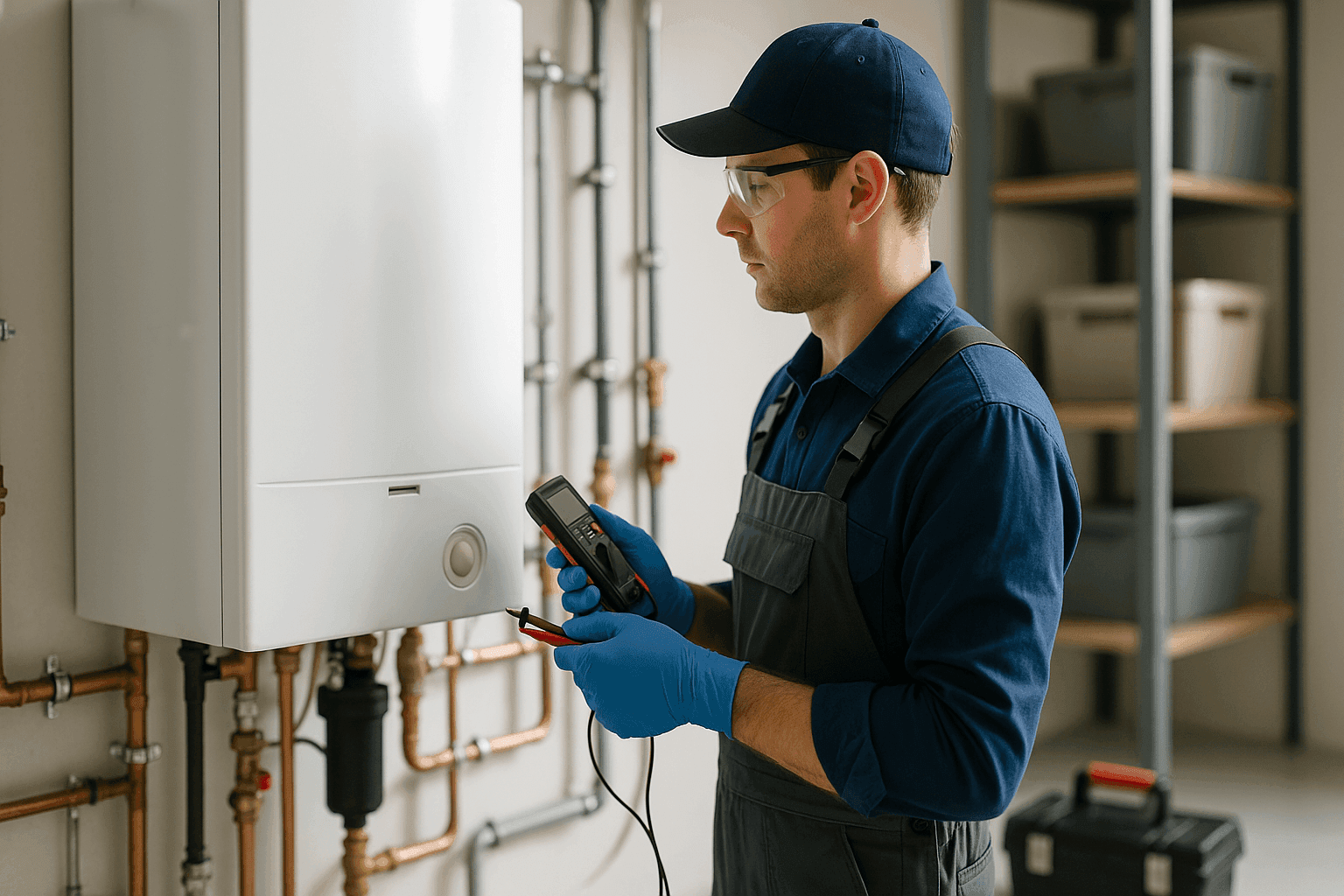
When your home suddenly feels cold and your radiators stay icy, panic sets in fast. Boiler problems never seem to pick a good time. That’s why HLH Plumbing is here—ready for emergency plumbing, day or night, with real solutions for families who need heat and hot water restored quickly.
Our licensed technicians know boilers inside and out. We handle every fuel type, from natural gas to oil. We’ve seen it all and fixed it all. Let’s walk through what can go wrong, what you can safely check, and when it’s time to call someone who does this for a living.
How Boilers Work: The Beating Heart of Home Comfort 🏡
A boiler is like the home’s heart—pumping warmth through pipes, keeping every room cozy. Instead of blood, it moves hot water or steam. That heat travels into radiators or underfloor coils.
Most homes use one of two boiler fuels:
- Natural Gas: Common in urban and suburban areas; connects to municipal supply.
- Oil: Seen more in rural or older homes; stored in on-site tanks.
The basic process:
- The boiler burns fuel (gas or oil).
- Water inside is heated.
- Hot water or steam flows through pipes.
- Radiators or baseboards release heat.
It’s a simple system—until something stops working. Then, the whole house can feel like a walk-in freezer.
Common Boiler Problems
Let’s talk about what usually goes wrong and why. Some problems are noisy and obvious. Others are sneaky—small leaks, odd smells, or slow heat.
No Heat or Hot Water
- Broken thermostat: Sometimes it’s just the control, not the boiler.
- Failed pilot light or ignition: No flame, no heat. Gas boilers especially.
- Low water pressure: Boilers need enough water to circulate.
- Air in the system: Trapped air bubbles keep heat from moving.
- Faulty motorized valves: These direct the flow and can stick or break.
Leaks and Drips
- Worn seals or gaskets: Age and pressure wear them down.
- Corrosion: Older pipes and tanks can rust and develop pinholes.
- Pressure relief valve issues: If this valve opens too often, it can drip.
Strange Noises
- Kettling: Like a kettle boiling—rattling, banging, or whistling.
- Gurgling or bubbling: Usually means air, sludge, or limescale inside.
- Clanking: Loose parts or sediment buildup.
Unusual Smells
- Gas odor: This is an emergency. Evacuate and call for help.
- Burning or metallic smell: Can mean overheating or electrical issues.
If you notice any of the above, especially a gas smell, do not try to fix it yourself. Safety first.
Quick Safety Checklist for Homeowners 🔥
Before you grab a wrench, walk through these steps:
- Smell gas? Leave the house immediately. Call your gas utility or emergency plumbing service.
- Check the thermostat. Make sure it’s set to “heat” and above room temp.
- Inspect the pressure gauge. Most boilers work best at 1–2 bar (check your manual).
- Listen for strange noises. Note what you hear and when.
- Look for visible leaks. Puddles, drips, or rust stains matter.
- Check pilot light. If it's out and you know how to relight it safely, follow manufacturer’s instructions.
Never open boiler covers or attempt gas repairs. Gas work is regulated by law (see the Gas Safe Register for UK or National Fuel Gas Code in the US/Canada).
DIY Checks vs. Professional Repairs
Some things are safe for homeowners to check. Others are not.
What’s Safe to Try
- Reset the thermostat. Sometimes it’s just been bumped.
- Bleed radiators. If you hear gurgling or have cold spots, releasing trapped air with a radiator key can help.
- Check power supply. Make sure switches or circuit breakers haven’t tripped.
What to Leave to the Pros
- Gas leaks or smell: Always an emergency.
- Opening the boiler case: This is for licensed technicians only.
- Electrical faults: Boilers combine water and electricity. Dangerous combo.
- Persistent leaks: Could mean pressure or safety valve problems.
HLH Plumbing’s boiler technicians are licensed, insured, and trained to handle these risks. Your safety comes first.
What Pros Do On Arrival
Here’s what happens when an HLH Plumbing technician shows up:
- Initial safety check: Gas detectors, carbon monoxide check, and system isolation if needed.
- Diagnostic scan: We listen, inspect, and use tools like thermal cameras or pressure gauges.
- Targeted repairs: Replace faulty parts (valves, pumps, pressure switches), reseal joints, or clear blockages.
- Test and verify: System is run through a full cycle to confirm safe operation.
- Advice: Honest feedback about future maintenance or signs to watch for.
We follow national and local safety codes—like the Uniform Plumbing Code and International Fuel Gas Code—to protect your home and family.
Prevention & Maintenance
Boilers are like cars—they run best with regular tune-ups. Skipping maintenance is a shortcut to bigger headaches down the line.
Pro Tips for a Healthy Boiler
- Annual service: Schedule professional boiler checks before winter hits.
- Check pressure monthly: Learn your system’s normal range (usually 1–2 bar).
- Bleed radiators each fall: Keeps heat flowing.
- Watch for leaks: Small drips can lead to big problems.
- Listen for new noises: Sudden changes mean something’s up.
Ask your HLH Plumbing technician about a preventative maintenance plan. It’s the best insurance against cold showers and frozen pipes.
Costs & Time Factors
Boiler repairs can vary. Here’s what usually affects the bill:
- Type of repair: Minor fixes (like thermostat swaps) are faster and cheaper than major ones (like pump or heat exchanger replacement).
- Parts availability: Some older systems need specialty parts.
- Fuel type: Gas boilers may require more inspections for safety, especially if local codes apply.
- Access: Hard-to-reach boilers or cramped basements add time.
Most visits last 1–3 hours. Emergency plumbing calls may require return trips if parts aren’t in stock.
When It’s an Emergency
Some boiler issues can’t wait:
- No heat in freezing weather: Risk of frozen pipes and home damage.
- Gas smell or carbon monoxide alarm: Never delay—this could be deadly.
- Major leaks: Water damage is fast and expensive.
HLH Plumbing is available for emergency plumbing 24/7. If you don’t know if it’s urgent, call us—we’ll help you decide.
FAQ
How do I know if my boiler is safe?
Look for regular blue flames (not yellow or orange), no odd smells, and normal pressure. Annual safety checks by a licensed tech keep you covered.
Can I fix a leaking boiler myself?
Small leaks can hide big problems. Turn off the water and call a pro. DIY repairs on boilers are rarely safe or successful.
Why does my boiler keep turning off?
Could be low pressure, thermostat problems, or blocked pipes. If a reset doesn’t solve it, get a technician to diagnose.
Is it normal for my boiler to make noise?
A little hum is fine. Banging or whistling means trouble. Get it checked out.
Local & Seasonal Considerations
In our region, both natural gas and oil boilers are common. Winter cold snaps can push systems hard. If you use oil, check tank levels before storms and schedule maintenance before peak season.
Older homes may have legacy boilers—these often need special care. If you’re in an area with hard water, ask about water filtration systems to prevent limescale.
Staying ahead of boiler issues means a warmer, safer home all year.
If your boiler is acting up—or you’re not sure if it’s safe—don’t wait for a bigger problem. Call HLH Plumbing now — or reach us anytime at 877-477-7921 .