Comprehensive Guide to Bathroom Plumbing Repairs
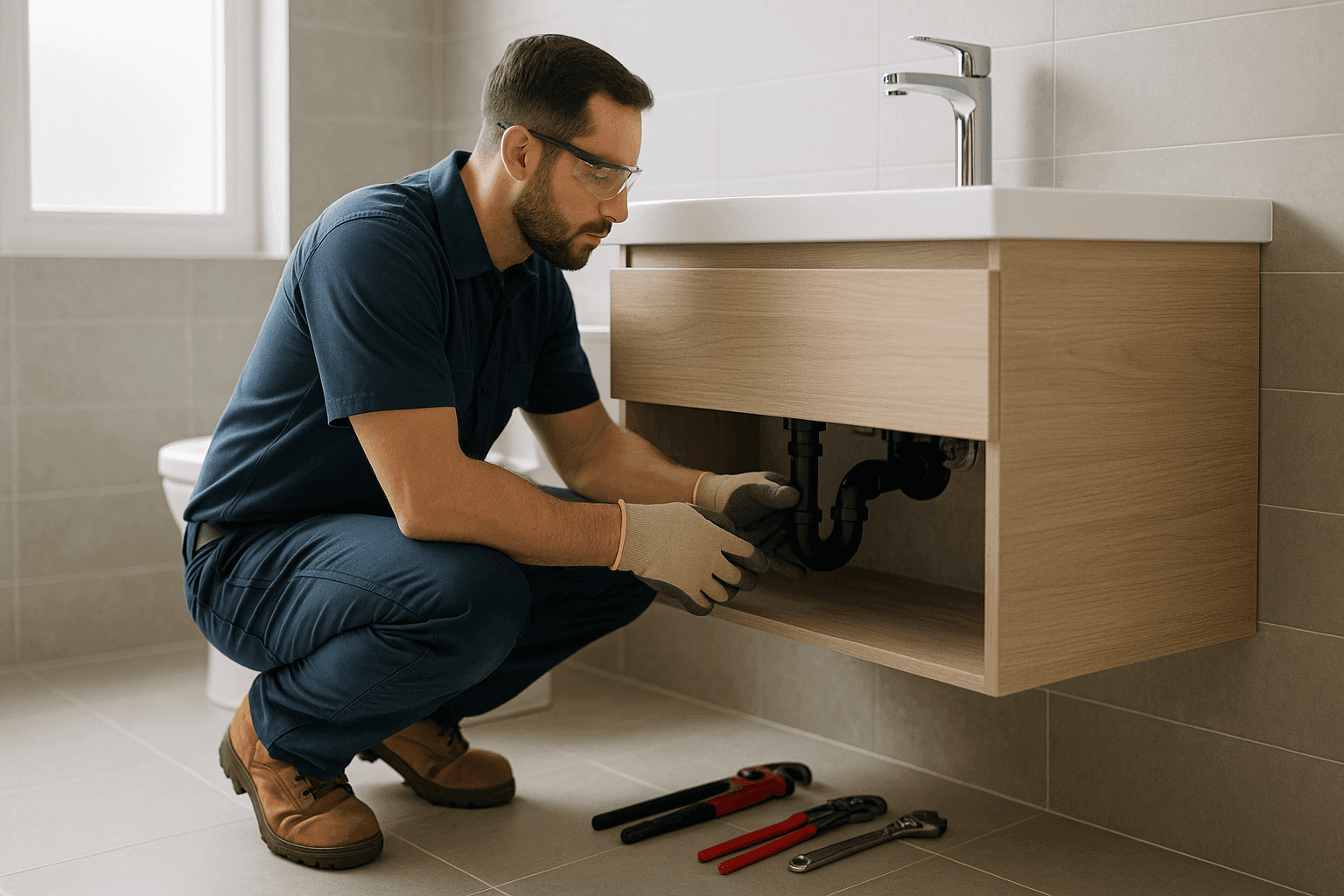
When water starts creeping across your bathroom floor, time slows down. A leaking pipe doesn’t care if it’s midnight or Sunday morning. At HLH Plumbing, we know how stressful bathroom plumbing surprises can be. Our licensed plumbers have seen it all—old pipes, finicky fixtures, and mysterious drips. This guide will help you spot problems, try simple fixes, and know when it’s time to call for emergency plumbing help.
Common Bathroom Plumbing Problems 🚰
Bathrooms are busy places. Every flush, every shower, every hand wash—all of it relies on pipes and parts tucked behind the walls and under the floor. Problems pop up in familiar spots:
Toilet Troubles
- Constantly running toilets. Like a marathon runner who won’t quit, your toilet just keeps going. That wastes water and money.
- Weak or no flush. This can be a clog, a fill valve issue, or low water pressure.
- Wobbling base or leaks at the floor. Could signal a worn wax ring or cracked flange.
Sink and Faucet Issues
- Dripping faucet. The slow, steady drip can drive anyone crazy—and it adds up on your water bill.
- Slow draining water. Usually caused by hair, soap, or toothpaste buildup.
- Leaks under the sink. Sometimes it’s a loose fitting; sometimes it’s a cracked pipe.
Bathtub and Shower Setbacks
- Standing water after a shower. The drain is likely clogged.
- Leaky showerhead or tub spout. Can be worn washers or loose connections.
- Cracked tiles or bubbling paint. Signs of hidden moisture and possible leaks behind the wall.
Behind the Scenes: A Typical Bathroom Plumbing Layout

The bathroom is a network. Water supply lines (hot and cold) snake through walls and floors to sinks, toilets, tubs, and showers. Drainpipes slope down and away, carrying waste to the main sewer line. In older homes, you might find cast iron pipes that corrode over decades. Newer homes often use PVC, PEX, or copper—each with its quirks.
Diagnosing Issues: Early Signs to Watch For
Paying attention to little changes can save you big headaches later. Here’s what to look out for:
- Slow drains: Water pooling in sinks or tubs means there’s a blockage somewhere.
- Drips and puddles: Any water outside the pipes is a problem. Look under sinks, around toilets, and near tub corners.
- Running toilets: If you jiggle the handle and the noise stops, the flapper or fill valve may be worn.
- Water stains: Brown patches on ceilings or walls below the bathroom point to leaks above.
- Unpleasant smells: A sour or sewage odor often means a dry trap or hidden leak.
If your bathroom is in an older home, pipes may shift or settle, loosening joints. In newer homes, installation shortcuts can lead to early problems.
Quick Safety Checklist Before You Start 🔧
- Turn off water supply valves (under sink, behind toilet, or main shutoff).
- Unplug electrical devices and keep cords away from wet areas.
- Wear rubber gloves if handling dirty water or cleaning out drains.
- Keep a mop and bucket handy for spills.
- Know where your main water shutoff is—fast action can prevent major damage.
Quick Fixes vs. When to Call a Pro
Some problems you can handle with a wrench and a little patience. Others need a licensed plumber—especially for emergency plumbing or complex repairs.
Quick Fixes You Can Try
- Clogged sink or tub drain: Use a plunger or a hair snake. Avoid chemical drain cleaners—they can damage pipes.
- Dripping faucet: Tighten the handle. If it’s still leaking, try replacing the washer or cartridge.
- Running toilet: Lift the tank lid. Adjust the float or replace the flapper. Most hardware stores carry these parts.
When to Call HLH Plumbing
- Hidden leaks: If you see water stains, hear dripping behind walls, or your water bill spikes—you need leak detection.
- Major clogs: If plunging doesn’t work, or multiple fixtures drain slowly, there may be a blockage deep in your sewer line.
- Low water pressure: This can signal a leak, corrosion, or pressure regulator failure.
- Old pipes: If your home has galvanized or cast iron pipes, call for inspection. These can rust from the inside out.
- Gas or sewer smell: Leave the house and call immediately. This could be a dangerous leak.
What HLH Pros Do On Arrival
When you call HLH Plumbing, our licensed plumbers arrive with the right tools—and a plan. Here’s what to expect:
- Assessment: We check visible plumbing, listen for odd sounds, and look for moisture or stains.
- Leak detection: Using moisture meters and, if needed, thermal imaging to find hidden leaks.
- Code check: We ensure repairs meet local plumbing codes, following safety standards (see International Plumbing Code and state guidelines).
- Clear explanation: We walk you through what’s wrong, what needs fixing, and what your options are.
- Respectful work: Our techs wear shoe covers and protect your home while working.
Prevention & Maintenance Tips 🧼
An ounce of prevention is worth a gallon of mop water. Here’s how you can keep bathroom plumbing problems at bay:
- Don’t flush wipes or hygiene products. Only toilet paper goes down the toilet.
- Use drain strainers. Catch hair and debris before it clogs pipes.
- Check supply hoses. Inspect under-sink and toilet connections for drips every few months.
- Clean aerators. Unscrew faucet aerators and rinse out grit to keep water flowing.
- Schedule regular inspections. Especially in homes over 30 years old—pipes and seals degrade with time.
- Keep humidity down. Run the fan or crack a window to prevent mold and protect caulking.
Costs & Time Factors
Bathroom plumbing repairs don’t have a one-size-fits-all price tag. Some fixes take minutes; others take hours or require parts on order.
- Simple fixes: Replacing a flapper or unclogging a drain may take 10–30 minutes.
- Leak repairs: Finding and repairing a hidden leak could take a couple of hours, especially in walls or floors.
- Major pipe or sewer work: Can take a full day or more, depending on the issue and access.
- Older homes: Repairs can take longer if pipes are brittle or non-standard sizes.
Labor, materials, and urgency (nights and weekends) affect overall costs. HLH Plumbing gives clear estimates up front.
When It’s an Emergency
Some situations can't wait:
- Water pouring from pipes, ceiling, or fixtures
- Sewage backing up into tubs or sinks
- No water at all (could signal a main break)
- Gas or rotten egg smell near fixtures
If you face these, shut off your main water (and gas, if needed) and call for emergency plumbing help. Fast response can save thousands in damage.
Bathroom Plumbing Repair FAQ ❓
How do I know if my leak is serious?
If a towel doesn’t solve it, or you see water stains, hear dripping, or notice mold, the leak is likely more than surface deep. HLH Plumbing’s leak detection tools find hidden trouble.
How often should I replace supply hoses and seals?
Every 5–7 years is a good rule of thumb, but check annually for signs of wear—bulges, cracks, or corrosion.
Can I use chemical drain cleaners safely?
They’re tough on clogs but tougher on pipes—especially in older homes. Mechanical methods (plunger, snake) are safer and just as effective for most blockages.
What’s the difference between old and new plumbing materials?
Older homes may have galvanized or cast iron, which rusts and can clog. Newer homes use copper, PEX, or PVC—each with their own strengths, but they’re less prone to corrosion. If your home is over 40 years old, consider having your plumbing inspected.
Local and Seasonal Considerations
In areas with hard water, mineral deposits build up faster in fixtures and pipes—clean aerators and showerheads regularly. Cold winters? Pipes in exterior walls are at risk of freezing. Keep cabinet doors open during cold snaps and let faucets drip to prevent burst pipes.
Older homes in the neighborhood? Plumbing upgrades can prevent emergencies before they start. Newer builds? Watch for issues from rushed construction or settling.
Every bathroom tells a story—sometimes with a drip, sometimes with a flood. HLH Plumbing’s licensed, background-checked plumbers help you rewrite that story with confidence and peace of mind.
Call HLH Plumbing now — or reach us anytime at 877-477-7921 .