Backflow Prevention for Homeowners: What You Need to Know
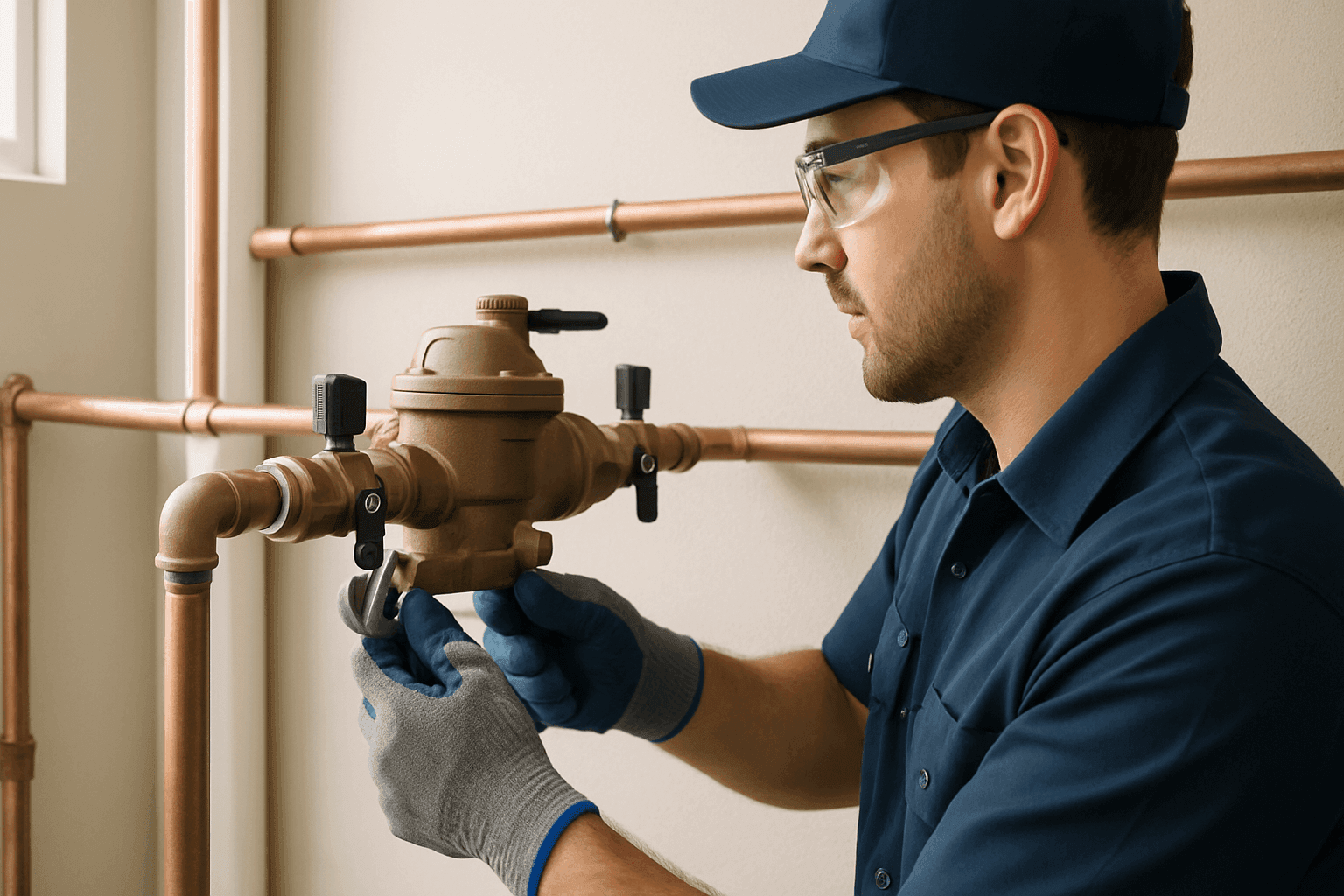
Is your home’s water as clean as you think? You turn on the tap, expecting safe water every time. But behind the scenes, unseen risks can sneak in.
Backflow is one of those hidden dangers. Most people never realize it’s happened—until it’s too late. At HLH Plumbing, we’ve seen the damage firsthand. Our certified technicians help families across the area protect their water and their health.
What Is Backflow? 🚰
Imagine your clean drinking water suddenly running backward. Instead of flowing safely out, contaminated water from toilets, garden hoses, or even street puddles can push its way into your pipes.
That’s backflow. It’s like a traffic jam on your plumbing highway—only the vehicles are carrying pollutants.
Backflow occurs when water moves in the wrong direction, pulling or pushing dirty water into your home’s clean supply. And it happens more often than you’d think, especially in neighborhoods with older plumbing or complex irrigation systems.
Why Backflow Happens
Backflow usually happens for one of two reasons:
- Backpressure: When your inside water pressure gets higher than the city’s. Think: a powerful boiler or pump pushing water the wrong way.
- Backsiphonage: When city water pressure suddenly drops—maybe from a broken water main or nearby fire hydrant use. That drop sucks dirty water back into the system, just like drinking through a straw.
Homes with cross-connections—places where drinking water meets things like garden hoses, boilers, or pool lines—are more at risk. These connections are everywhere: hose bibs, sprinkler systems, even kitchen sinks.
Health Risks of Backflow
Backflow isn’t just a plumbing nuisance. It’s a real threat to your family’s health.
Contaminants can include:
- Bacteria from toilets or sewers
- Fertilizers and pesticides from gardens
- Soaps, chemicals, and cleaning agents
- Heavy metals and industrial waste (rare, but possible)
When these get into your tap water, they can cause stomach illnesses, skin rashes, or much worse. It’s like letting the outside world sneak right into your morning coffee.
The Environmental Protection Agency (EPA) and local health departments take this seriously. That’s why backflow prevention is written into plumbing codes across the country.
Types of Backflow Preventers
Backflow preventers are the bouncers at your water’s front door. They only let clean water through, blocking anything suspicious.
Here are the most common types for homes:
- Atmospheric Vacuum Breaker (AVB): Simple device, usually found on outside hose bibs or irrigation systems.
- Pressure Vacuum Breaker (PVB): Used for lawn sprinklers. Sits above ground.
- Double Check Valve Assembly (DCVA): Often found in homes with fire sprinkler or irrigation lines. Two valves for double protection.
- Reduced Pressure Zone (RPZ): The gold standard. Used where risks are highest, like commercial kitchens or homes with complex plumbing.
Diagram: Typical Residential Backflow Preventers
 An AVB stops water from the hose or sprinkler system from flowing back into your home.
 A DCVA uses two check valves in series to keep contaminated water out.
Each device needs to be installed correctly. Local codes (like those from the International Plumbing Code and your city’s health department) specify which device goes where.
Signs Your Device Needs Testing or Service 🛠️
Backflow preventers are mechanical. Like a car, they need regular check-ups.
Watch for:
- Dripping water or leaks around the device
- Rust, corrosion, or mineral buildup
- Unusual noises (hissing, banging) in the plumbing
- Low water pressure at certain taps
- Water that looks, tastes, or smells strange
Many cities require annual certified testing, especially for homes with irrigation or fire sprinkler systems. HLH Plumbing’s certified testers handle this for homeowners every day—keeping you compliant and safe.
Local Testing Laws & Code Compliance
Not all plumbing codes are created equal. Some towns are stricter than others.
- Most cities require annual backflow device testing, performed by certified testers.
- Some areas with old infrastructure or frequent water line breaks may require more frequent checks.
- Building inspectors may ask for proof of recent testing—especially if you’re selling your home or installing a new irrigation system.
HLH Plumbing keeps up with every update to local and state codes. Our team is certified for backflow testing and repair, and we handle the paperwork, so you never have to worry about compliance.
Areas with High Cross-Connection Risk
Certain neighborhoods are more vulnerable:
- Older homes with aging pipes
- Houses with swimming pools, hot tubs, or decorative fountains
- Yards with sprinkler systems or multiple outdoor taps
- Properties with private wells or septic systems
If you’re not sure, ask HLH Plumbing to assess your property. We spot risks most homeowners overlook.
How to Identify a Backflow Preventer
Not sure if you have one? Here’s what to look for:
- A brass or plastic device installed close to where your water line enters the house, or near outdoor taps
- Markings like “AVB,” “PVB,” “DCVA,” or “RPZ”
- A test tag or inspection sticker showing the last test date
No device? Or can’t find it? That’s a sign you need a pro.
Quick Safety Checklist ✅
- Never submerge hoses in buckets, pools, or tubs
- Install hose bib vacuum breakers on all outdoor spigots
- Only use licensed, certified pros for installation or testing
- Schedule annual backflow device testing
- Watch for changes in water color, taste, or smell
These small steps help keep your family’s water safe.
DIY vs. Call a Pro
Could you install or test a backflow preventer yourself? Maybe—if you have the right tools, training, and permits.
But here’s what often goes wrong:
- Incorrect installation (wrong orientation or height)
- Failure to use the right device for your plumbing system
- Missed leaks or hidden corrosion
- Invalid or missing paperwork (city inspectors won’t accept DIY tests)
HLH Plumbing’s certified testers handle the technical details—and the compliance. We use calibrated gauges and follow every code to the letter.
What the Pros Do on Arrival
When you call HLH Plumbing for backflow device testing, here’s what happens:
- Inspection: We check your device and plumbing for leaks, corrosion, and signs of wear.
- Testing: Using a high-accuracy test kit, we measure if your device holds the line against backflow.
- Certification: If it passes, we update your inspection tag and complete the paperwork for your city or utility.
- Repair or Replacement: If it fails, we recommend fast, code-compliant fixes—always with your approval.
Our team works fast. Most tests and repairs take less than an hour.
Prevention & Maintenance Tips
Backflow prevention isn’t “set and forget.” Here’s how to keep your system strong:
- Have devices tested every year (or as required by your city)
- Replace worn-out devices before they fail
- Insulate outdoor devices before winter to prevent freezing
- Avoid using hoses or connections that bypass your backflow preventer
- Keep test and inspection records handy
Routine checks can save you from costly repairs—and health risks—down the line.
Costs & Time Factors
The price depends on your plumbing setup and the devices involved. Here’s what to expect:
- Testing: Usually takes 30–60 minutes for most homes
- Repairs: Vary depending on parts and device type; often same-day service
- Replacement: Some devices are quick swaps; others (like RPZs) take longer
Remember, the cost of not having a working device—water contamination, city fines, or failed home inspections—can be much higher.
When It’s an Emergency 🚨
If you suspect backflow, act fast:
- Shut off your main water valve
- Don’t drink, cook, or bathe until the issue is checked
- Call HLH Plumbing for emergency plumbing help
We’re available 24/7 for residential emergencies. Backflow is serious. We treat it that way.
Frequently Asked Questions
How often do I need my backflow preventer tested?
Most cities require annual testing by a certified technician. Some high-risk homes may need more frequent checks. Always check your local code—or ask HLH Plumbing.
What happens if my device fails the test?
We’ll explain what went wrong and recommend repairs or replacement. You’ll always get a clear quote before any work begins.
Can I test my own backflow preventer?
Testing requires specialized gauges and certification. DIY tests usually aren’t accepted by city inspectors. Leave it to the certified pros.
What if I don’t have a backflow preventer?
You’re at risk for dangerous water contamination—and possible code violations. HLH Plumbing can assess your system and install the right device.
Local and Seasonal Considerations
Cold winters? Your outdoor backflow devices could freeze and crack. Insulate them in fall, or have HLH Plumbing winterize your system.
Heavy rains or local construction can increase backflow risk, too. Always schedule an inspection after major plumbing work or water line breaks in your area.
If you live in a neighborhood with lots of cross-connections—older homes, pools, or sprinkler systems—annual testing is especially important.
Authoritative References
- Environmental Protection Agency (EPA): Cross-Connection Control Manual
- International Plumbing Code (IPC) Section 608
- Local health department and utility backflow guidelines
Your family’s water should be clean, safe, and worry-free. HLH Plumbing’s certified team keeps it that way. For backflow testing, emergency plumbing, or bathroom plumbing near you, we’re here—24/7, every day of the year.
Call HLH Plumbing now — or reach us anytime at 877-477-7921 .